Rocks and Soil Science Worksheet
Explore the basics of rocks and soil with this engaging science worksheet for first graders, covering types of rocks, soil components, and their uses.
Includes
Standards
Topics
Rocks and Soil Science
Name:
Date:
Score:
Read each question carefully and answer to the best of your ability. Good luck!
1. Which of these is a type of rock?
Wood
Sandstone
Plastic
Water
2. Soil is made up of tiny pieces of:
Only dirt
Rocks, sand, and leaves
Candy
Clouds
3. Plants grow best in rich .
4. A very hard material from the Earth is called a .
5. All rocks are exactly the same size and shape.
True
False
6. Soil helps anchor plants so they don't fall over.
True
False
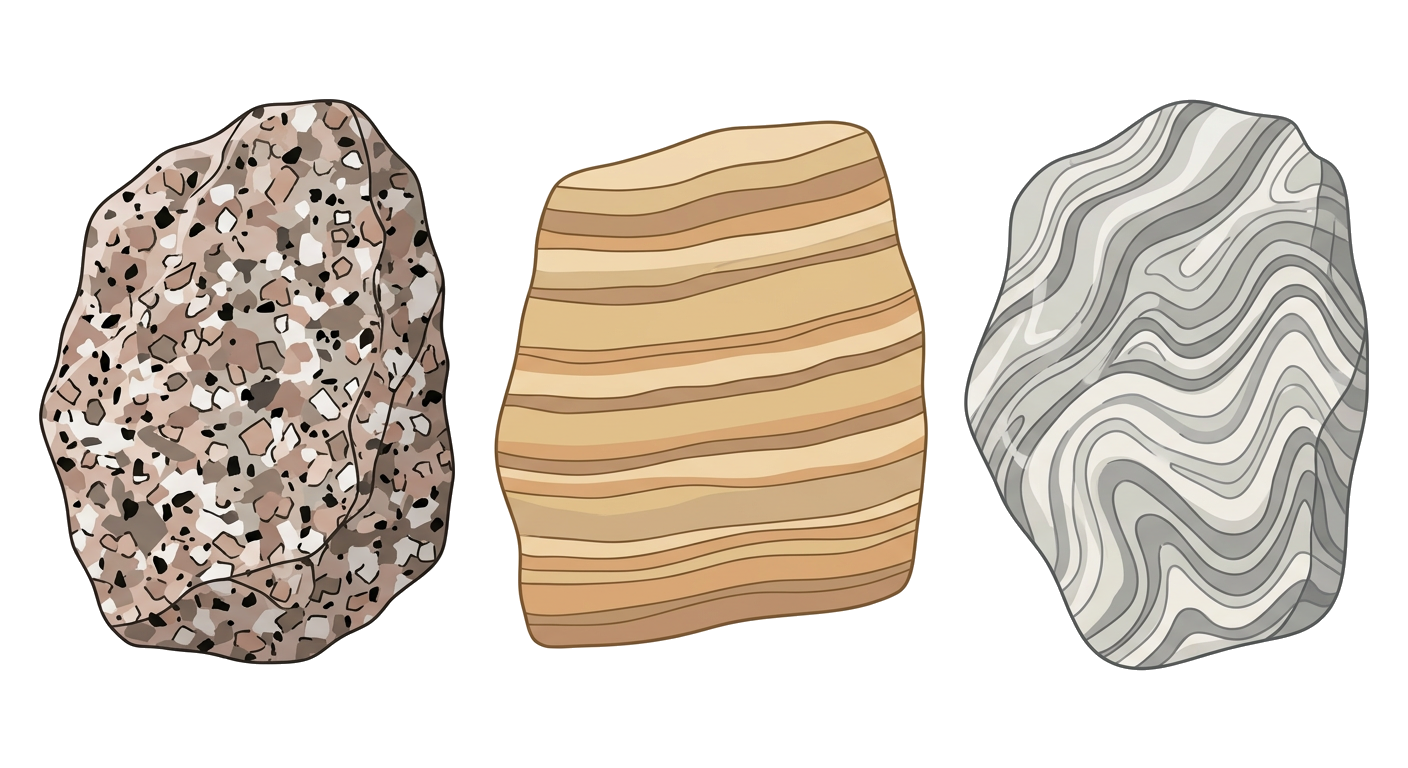
7. Look at the picture of rocks. Name one way rocks are different from each other.
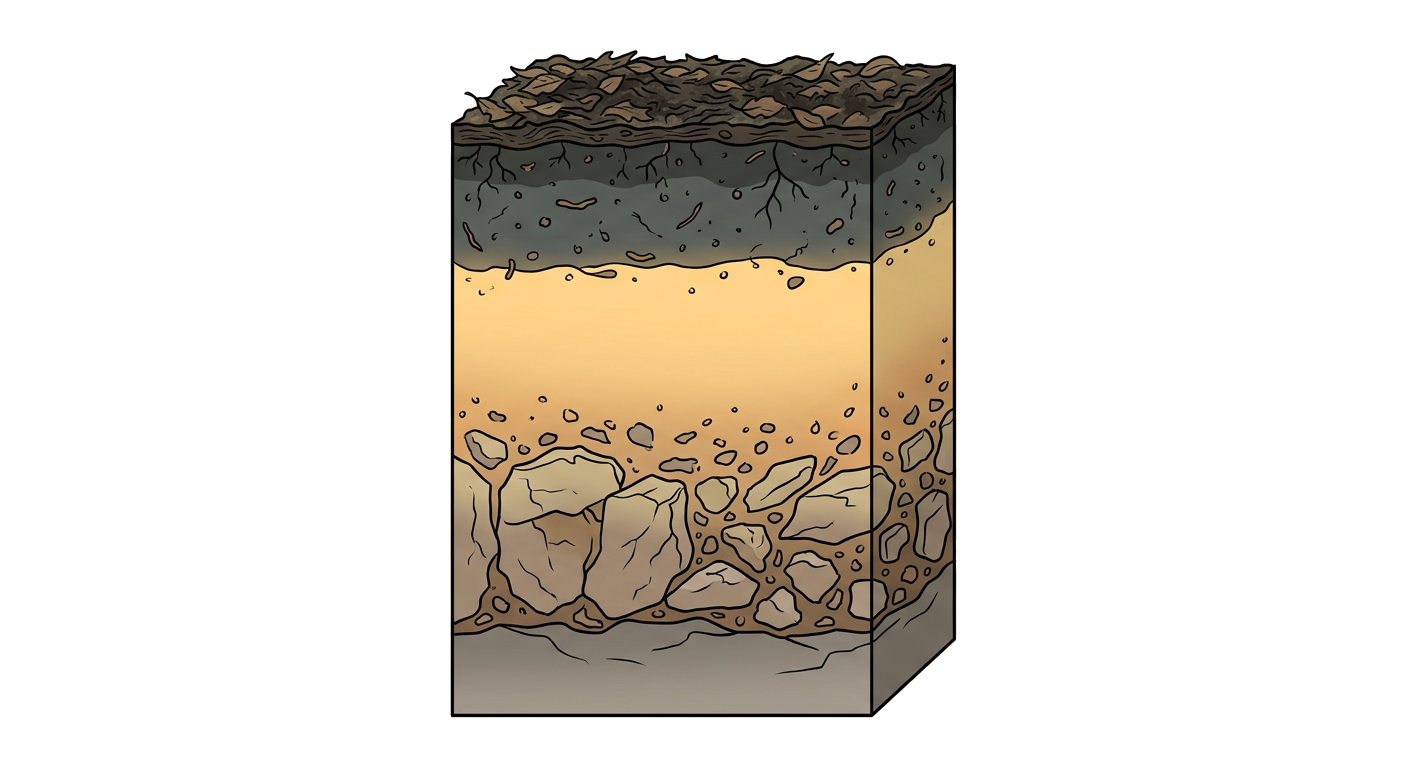
8. Look at the picture of soil. Why is soil important for plants?
Use the words below to complete the sentences.
9. Some rocks feel , while others feel .
10. Besides tiny rocks and leaves, soil also has and in it.
Related Worksheets
Natural Disasters Worksheet
A first-grade science worksheet to introduce students to different types of natural disasters and how to stay safe.
Weathering Wonders
Explore the amazing process of weathering with this fun and educational worksheet for Grade 1 students.
Weather Instruments Worksheet
A Grade 1 science worksheet to introduce students to common weather instruments and their uses.
Grade 1 Earth Science Worksheet
Explore basic Earth science concepts for first graders, including weather, landforms, and natural resources.
Land Formations Worksheet
A Grade 1 science worksheet focusing on identifying and understanding different land formations.
Soil Texture Exploration
A Grade 1 science worksheet to explore and identify different soil textures.
Patterns in the Sky
A first-grade science worksheet exploring observable patterns in the sky, including the sun, moon, and stars.
Exploring Soil!
A Grade 1 science worksheet to help students understand the basic components and types of soil.