Dyslexia Intervention Strategies
This worksheet focuses on understanding dyslexia and exploring effective intervention strategies for high school students.
Includes
Standards
Topics
Dyslexia Intervention Strategies
Name:
Date:
Score:
Carefully read the following passage and answer the questions that follow. Pay close attention to the details regarding dyslexia and various intervention strategies.
Understanding Dyslexia and Effective Interventions
Dyslexia is a specific learning disability that is neurobiological in origin. It is characterized by difficulties with accurate and/or fluent word recognition and by poor spelling and decoding abilities. These difficulties typically result from a deficit in the phonological component of language that is often unexpected in relation to other cognitive abilities and the provision of effective classroom instruction. Secondary consequences may include problems in reading comprehension and reduced reading experience that can impede growth of vocabulary and background knowledge. For high school students with dyslexia, intervention strategies are crucial for academic success and building self-esteem. One of the most effective approaches is a structured, multisensory method, often referred to as Orton-Gillingham based instruction. This method explicitly teaches the connections between letters and sounds using visual, auditory, and kinesthetic techniques. For example, students might trace letters while saying their sounds aloud and simultaneously seeing them written. Technology also plays a significant role in modern dyslexia intervention. Text-to-speech software can help students access written material by converting text into spoken words, allowing them to comprehend content without struggling with decoding. Speech-to-text tools can assist with written assignments, enabling students to dictate their thoughts and bypass the challenges of spelling and handwriting. Additionally, specialized fonts designed for dyslexic readers can improve readability for some individuals. Beyond direct instructional methods and technological aids, accommodations in the classroom are vital. These can include extended time on tests and assignments, preferential seating, audiobooks, and access to notes or outlines provided by the teacher. Fostering a supportive and understanding environment where students feel comfortable advocating for their needs is paramount. Ultimately, a combination of targeted instruction, appropriate technology, and classroom accommodations empowers students with dyslexia to thrive.
1. According to the passage, what is the primary origin of dyslexia?
Environmental factors
Poor classroom instruction
Neurobiological factors
Lack of motivation
2. Which of the following is NOT mentioned as a characteristic of dyslexia?
Difficulties with fluent word recognition
Strong mathematical abilities
Poor spelling abilities
Decoding difficulties
3. The Orton-Gillingham method uses a approach to teaching reading.
4. software can help students with dyslexia access written material by converting text into spoken words.
5. Describe two types of classroom accommodations that can benefit high school students with dyslexia, as mentioned in the passage.
6. The passage suggests that technology has no significant role in modern dyslexia intervention.
True
False
7. Reduced reading experience due to dyslexia can hinder the growth of vocabulary and background knowledge.
True
False
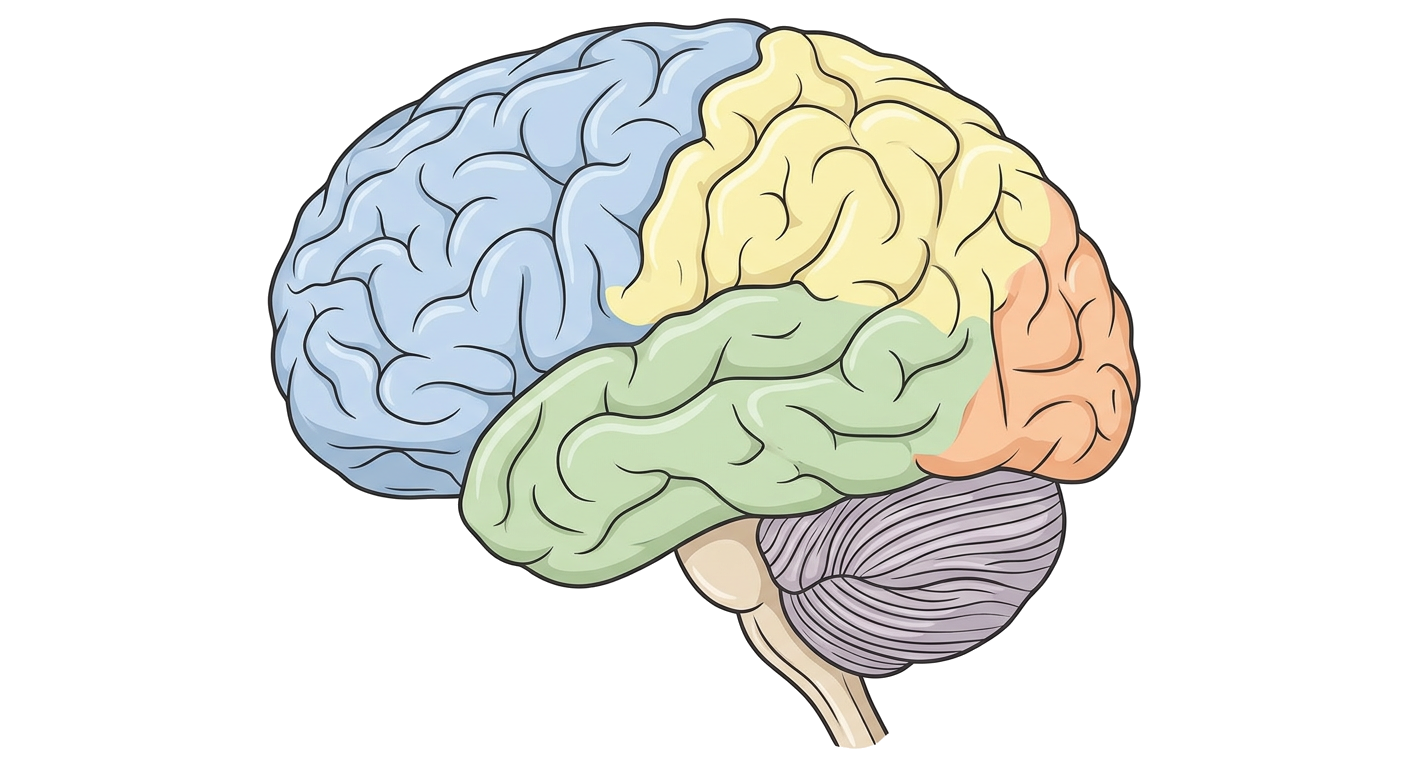
8. Observe the diagram of the human brain below. While dyslexia is not a visible physical abnormality, it is neurobiological. In your own words, explain what 'neurobiological in origin' means in the context of dyslexia, referencing the brain's role.
Related Worksheets
Animal Farm: Allegory and Power
A Grade 10 ELA worksheet exploring themes of allegory, power, and revolution in George Orwell's Animal Farm.
Exploring Maya Angelou
A Grade 10 ELA worksheet focusing on the life, works, and themes of Maya Angelou, including a reading passage and various question types.
Exploring 'To Kill a Mockingbird'
A Grade 10 ELA worksheet focusing on characters, themes, and literary devices in Harper Lee's 'To Kill a Mockingbird'.