Addiction and the Brain
Explore the neurological basis of addiction, including brain regions involved, neurotransmitters, and the process of dependence.
Includes
Standards
Addiction and the Brain
Name:
Date:
Score:
Read each question carefully and answer to the best of your ability. For multiple choice questions, circle the letter corresponding to the correct answer. For fill-in-the-blank questions, complete the sentence with the appropriate term.
1. Which neurotransmitter is primarily associated with the brain's reward system and plays a key role in addiction?
Serotonin
Dopamine
GABA
Acetylcholine
2. Which brain region is responsible for decision-making, impulse control, and planning, and is often impaired in individuals with addiction?
Cerebellum
Brainstem
Prefrontal Cortex
Hippocampus
3. The repeated use of addictive substances can lead to a phenomenon known as , where the brain adapts to the presence of the substance and requires more of it to achieve the same effect.
4. The brain's pathway is activated by natural rewards like food and social interaction, but can be hijacked by addictive drugs.
5. Briefly explain the concept of neuroadaptation in the context of addiction.
6. Addiction is solely a lack of willpower and has no biological basis.
True
False
7. The limbic system, which includes the amygdala and hippocampus, plays a significant role in emotional responses and memory formation related to addiction.
True
False
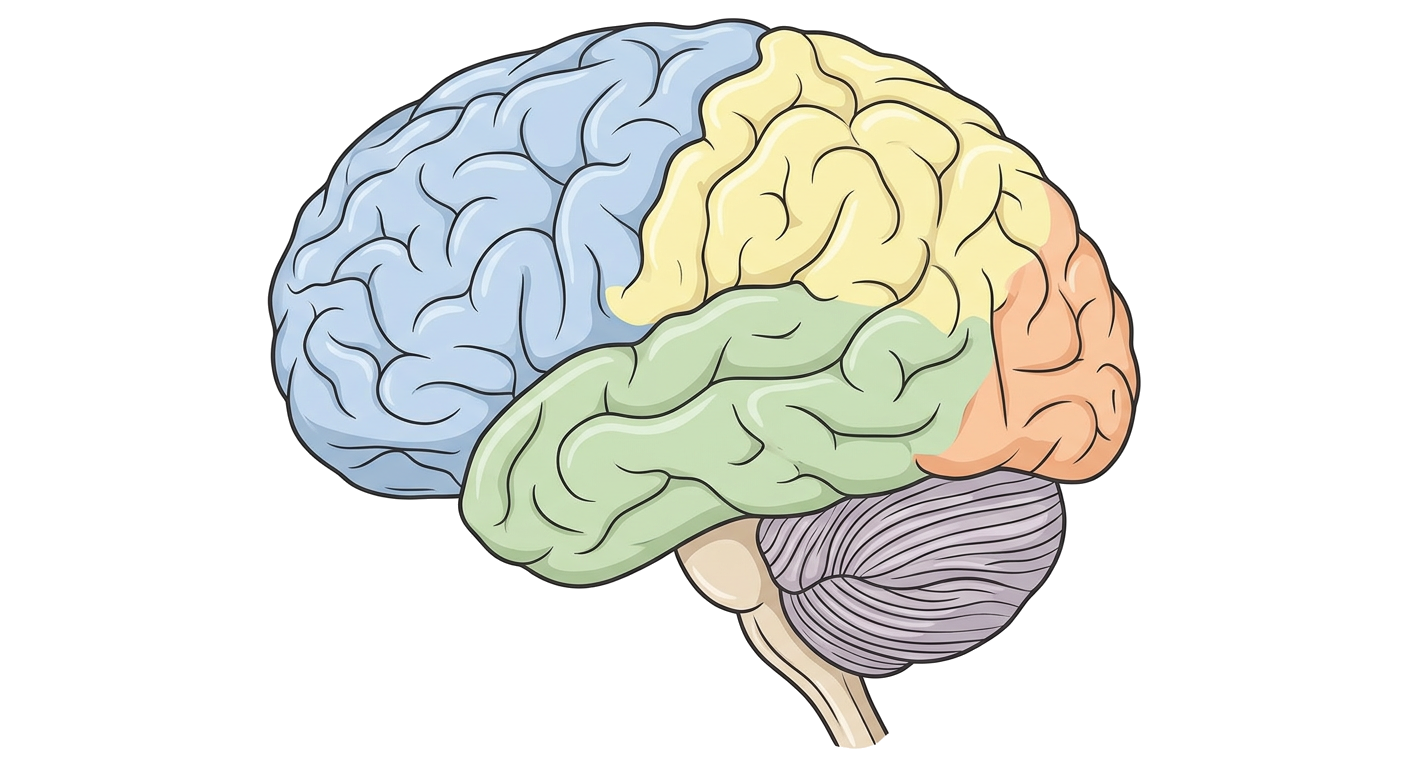
8. Identify and label the indicated parts of the brain that are often associated with addiction. Write your answers on the lines provided.
A.
B.
C.
Related Worksheets
Phylogenetic Tree Worksheet
Explore the principles of phylogenetic trees, common ancestry, and evolutionary relationships among organisms.
Blood Sugar Regulation Worksheet
A Grade 10 science worksheet covering the regulation of blood sugar, including the roles of insulin, glucagon, and the pancreas.
Bacterial Transformation Worksheet
This worksheet covers key concepts in bacterial transformation, including the process, mechanisms, and applications.
Cell Environments Worksheet
Explore the principles of cell environments, including osmosis, diffusion, active transport, and their effects on plant and animal cells.
Bone Markings Worksheet
A Grade 10 Science worksheet focusing on the identification and function of various bone markings.
Properties of Carbon Worksheet
Explore the unique properties of carbon, its atomic structure, bonding capabilities, and its importance in organic chemistry and living organisms.
Human Skull Anatomy Worksheet
A Grade 10 science worksheet focusing on the anatomy and functions of the human skull, including its various bones and protective role.
Grade 10 Biology: Heart Structure Worksheet
A comprehensive worksheet for Grade 10 Biology students covering the structure and function of the human heart.