Genetic Modification: Concepts and Applications
Explore the fundamental concepts of genetic modification, including its processes, applications, and ethical considerations, suitable for Grade 10 science students.
Includes
Standards
Topics
Genetic Modification: Concepts and Applications
Name:
Date:
Score:
Read each question carefully and answer to the best of your ability. Show all your work where applicable.
1. What is the primary purpose of genetic modification in agriculture?
To increase crop yield and resistance to pests.
To change the color of fruits and vegetables.
To make plants grow faster in all conditions.
To reduce the nutritional value of crops.
2. Which of the following is a potential ethical concern associated with genetic modification?
The potential for increased biodiversity.
The accidental transfer of modified genes to wild populations.
The creation of new species.
The development of more nutritious foods.
3. Genetic modification involves altering the of an organism.
4. A common technique used in genetic modification is the insertion of a gene from one organism into the of another.
5. All genetically modified organisms (GMOs) are harmful to human health.
True
False
6. Genetic engineering can be used to produce medicines, such as insulin.
True
False
7. Briefly explain the difference between selective breeding and genetic modification.
8. Describe one potential benefit and one potential risk of using genetically modified crops.
Match each term on the left with its correct definition on the right.
9. Transgenic organism
a. An enzyme that cuts DNA at specific sites.
10. Plasmid
b. An organism containing genetic material from another species.
11. Restriction enzyme
c. A small, circular piece of DNA found in bacteria.
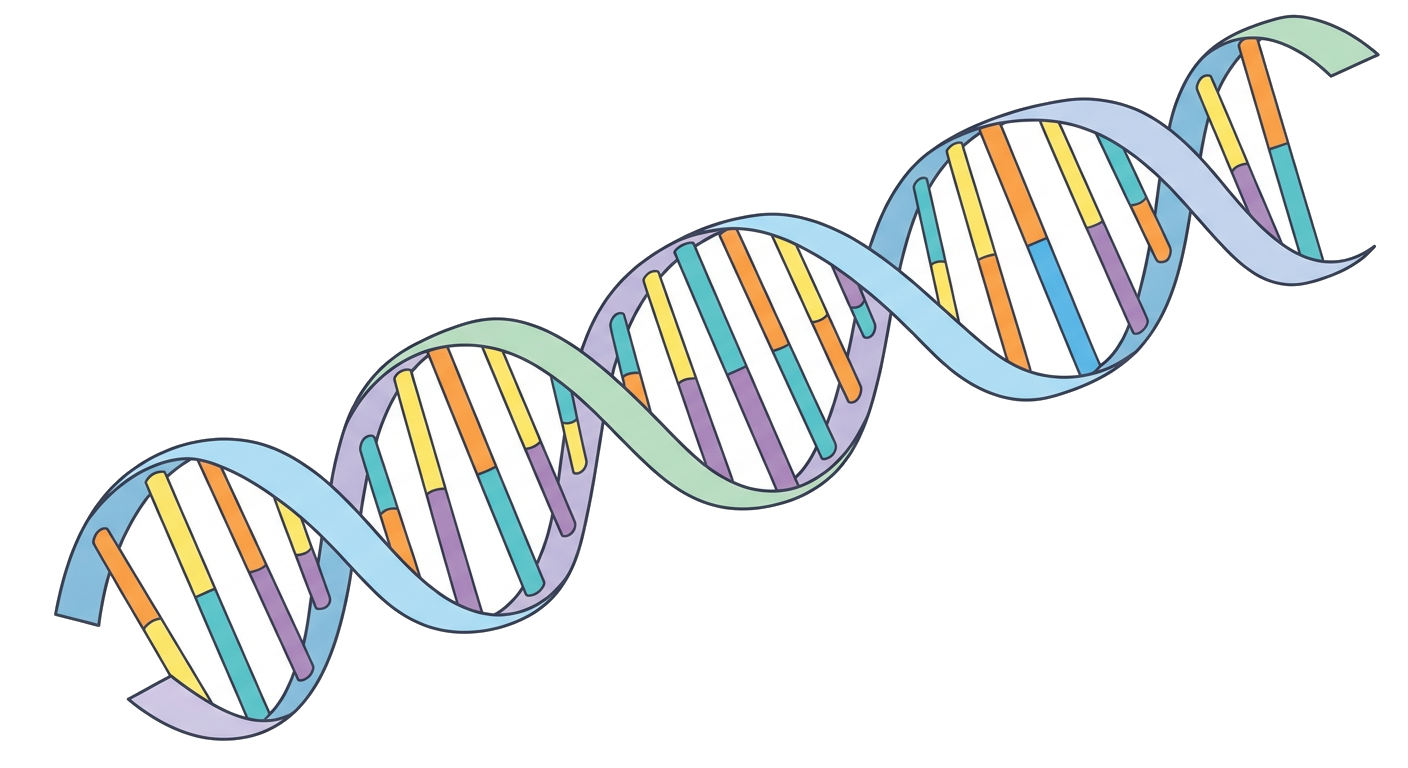
12. Label the following diagram of a DNA double helix.
Related Worksheets
Phylogenetic Tree Worksheet
Explore the principles of phylogenetic trees, common ancestry, and evolutionary relationships among organisms.
Blood Sugar Regulation Worksheet
A Grade 10 science worksheet covering the regulation of blood sugar, including the roles of insulin, glucagon, and the pancreas.
Bacterial Transformation Worksheet
This worksheet covers key concepts in bacterial transformation, including the process, mechanisms, and applications.
Cell Environments Worksheet
Explore the principles of cell environments, including osmosis, diffusion, active transport, and their effects on plant and animal cells.
Bone Markings Worksheet
A Grade 10 Science worksheet focusing on the identification and function of various bone markings.
Properties of Carbon Worksheet
Explore the unique properties of carbon, its atomic structure, bonding capabilities, and its importance in organic chemistry and living organisms.
Human Skull Anatomy Worksheet
A Grade 10 science worksheet focusing on the anatomy and functions of the human skull, including its various bones and protective role.
Grade 10 Biology: Heart Structure Worksheet
A comprehensive worksheet for Grade 10 Biology students covering the structure and function of the human heart.