Male Reproductive System Worksheet
A Grade 10 science worksheet covering the anatomy and functions of the male reproductive system, including key organs and processes.
Includes
Standards
Topics
Male Reproductive System Worksheet
Name:
Date:
Score:
Carefully read each question and provide your answer in the space provided. For multiple-choice questions, circle the letter corresponding to the correct answer.
1. Label the following diagram of the male reproductive system. Use the terms from the word bank below.
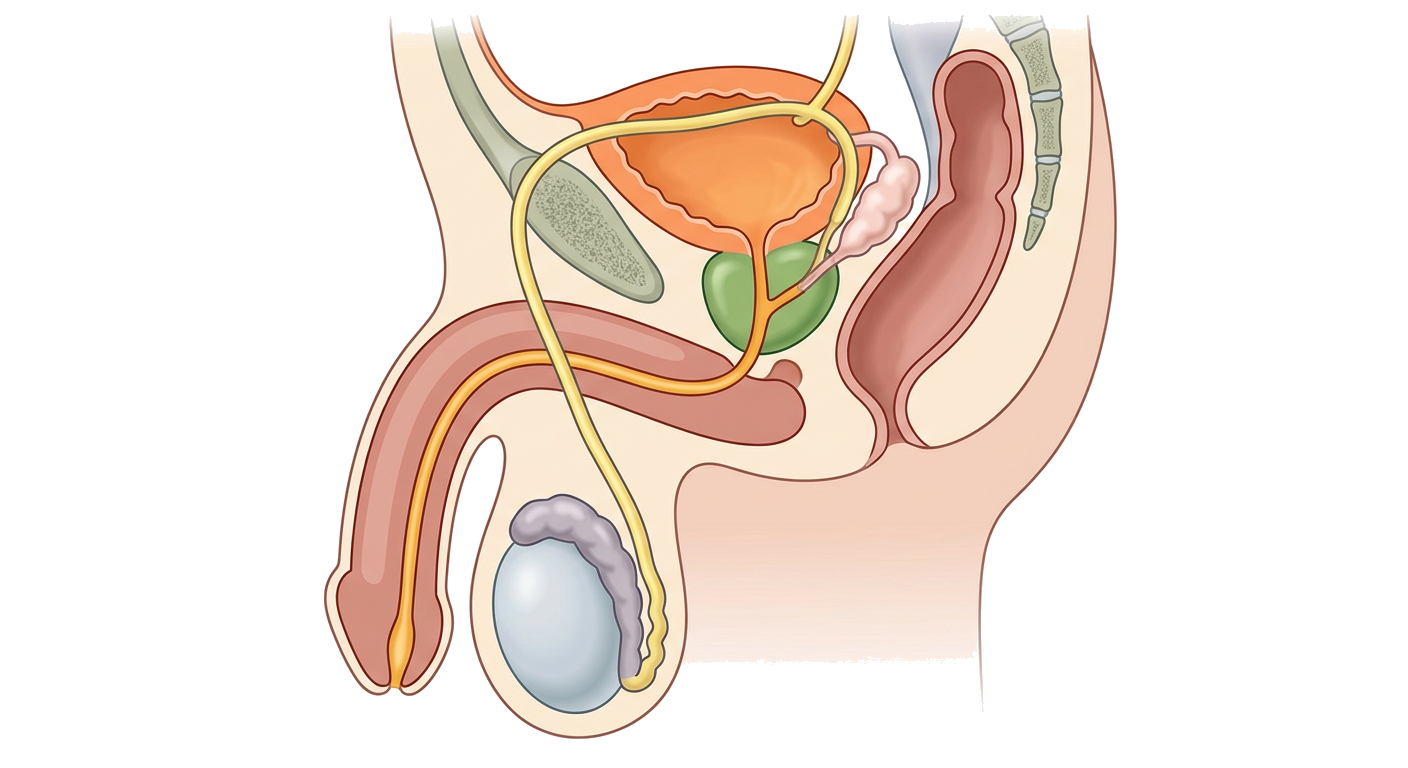
2. Which of the following is the primary male sex hormone?
Estrogen
Progesterone
Testosterone
Insulin
3. Sperm are produced in the and mature in the .
4. The gland produces a fluid that nourishes and protects sperm.
5. The vas deferens carries urine out of the male body.
True
False
6. Describe the function of the scrotum.
Related Worksheets
Phylogenetic Tree Worksheet
Explore the principles of phylogenetic trees, common ancestry, and evolutionary relationships among organisms.
Blood Sugar Regulation Worksheet
A Grade 10 science worksheet covering the regulation of blood sugar, including the roles of insulin, glucagon, and the pancreas.
Bacterial Transformation Worksheet
This worksheet covers key concepts in bacterial transformation, including the process, mechanisms, and applications.
Cell Environments Worksheet
Explore the principles of cell environments, including osmosis, diffusion, active transport, and their effects on plant and animal cells.
Bone Markings Worksheet
A Grade 10 Science worksheet focusing on the identification and function of various bone markings.
Properties of Carbon Worksheet
Explore the unique properties of carbon, its atomic structure, bonding capabilities, and its importance in organic chemistry and living organisms.
Human Skull Anatomy Worksheet
A Grade 10 science worksheet focusing on the anatomy and functions of the human skull, including its various bones and protective role.
Grade 10 Biology: Heart Structure Worksheet
A comprehensive worksheet for Grade 10 Biology students covering the structure and function of the human heart.