Chemical Naming Worksheet
A Grade 10 Science worksheet covering the fundamentals of chemical nomenclature for ionic and covalent compounds.
Includes
Standards
Topics
Chemical Naming Worksheet
Name:
Date:
Score:
Read each question carefully and provide the best answer based on your knowledge of chemical nomenclature. Pay close attention to whether compounds are ionic or covalent.
1. Which of the following is the correct name for the ionic compound MgCl₂?
Magnesium dichloride
Magnesium chloride
Magnesium (II) chloride
Monamagnesium dichloride
2. What is the chemical formula for dinitrogen tetroxide?
N₄O₂
NO₂
N₂O₄
N₂O
1. The compound with the formula Na₂SO₄ is named sodium .
2. When naming ionic compounds, the is always named first, followed by the anion.
3. Covalent compounds use numerical to indicate the number of atoms of each element.
1. Name the following compounds:
a. Fe₂(SO₄)₃
b. P₄O₁₀
c. HNO₃ (aq)
2. Write the chemical formulas for the following compounds:
a. Calcium hydroxide
b. Sulfur hexafluoride
c. Acetic acid
1. Roman numerals are used when naming covalent compounds with transition metals.
True
False
2. The suffix '-ide' is typically used for the second element in both ionic and binary covalent compounds.
True
False
Match the chemical formula with its correct name.
1. CuO
a. Carbon tetrachloride
2. N₂O
b. Copper(II) oxide
3. CCl₄
c. Dinitrogen monoxide
4. Mg(NO₃)₂
d. Magnesium nitrate
Observe the diagrams below showing different types of chemical bond formation. Based on your understanding, identify the type of bond represented and explain your reasoning.
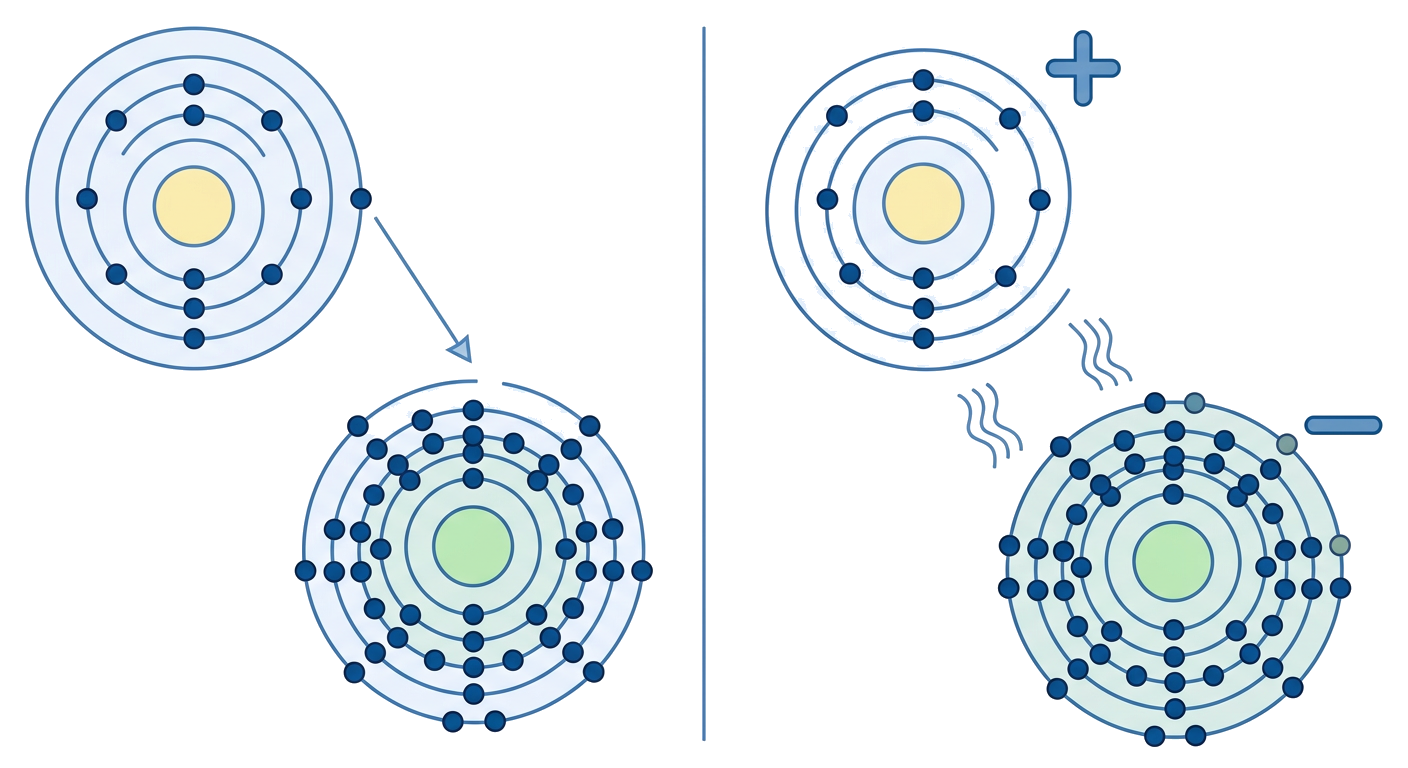
Bond Type:
Explanation:
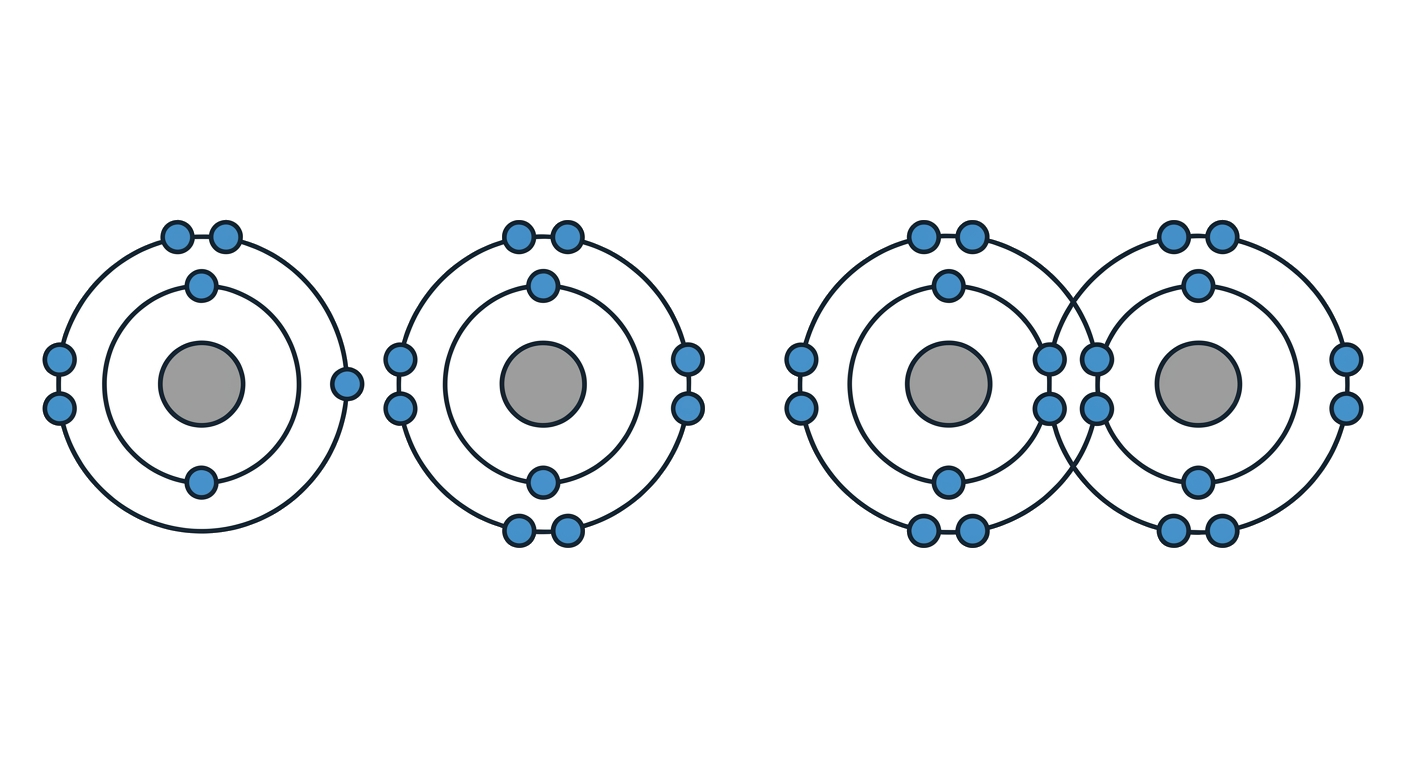
Bond Type:
Explanation: