Chemical Nomenclature Worksheet
This worksheet covers fundamental concepts of chemical nomenclature for Grade 10 science students, including naming ionic and covalent compounds and writing chemical formulas.
Includes
Standards
Topics
Chemical Nomenclature Practice
Name:
Date:
Score:
Read each question carefully and provide the correct chemical name or formula as requested. Pay close attention to whether the compound is ionic or covalent.
1. The chemical name for NaCl is .
2. The chemical name for Mg(NO₃)₂ is .
3. The chemical name for Fe₂O₃ is .
4. The chemical name for CuSO₄ is .
1. Write the chemical formula for potassium iodide.
2. Write the chemical formula for calcium chloride.
3. Write the chemical formula for aluminum phosphate.
1. The chemical name for CO₂ is .
2. The chemical name for N₂O₄ is .
3. The chemical name for PCl₅ is .
1. Write the chemical formula for dinitrogen monoxide.
2. Write the chemical formula for sulfur trioxide.
3. Write the chemical formula for carbon tetrachloride.
1. Which of the following is the correct formula for sodium sulfate?
NaSO₄
Na₂SO₄
Na(SO₄)₂
NaS
2. What is the correct name for P₂O₅?
diphosphorus pentoxide
phosphorus oxide
diphosphorus oxide
pentaphosphorus dioxide
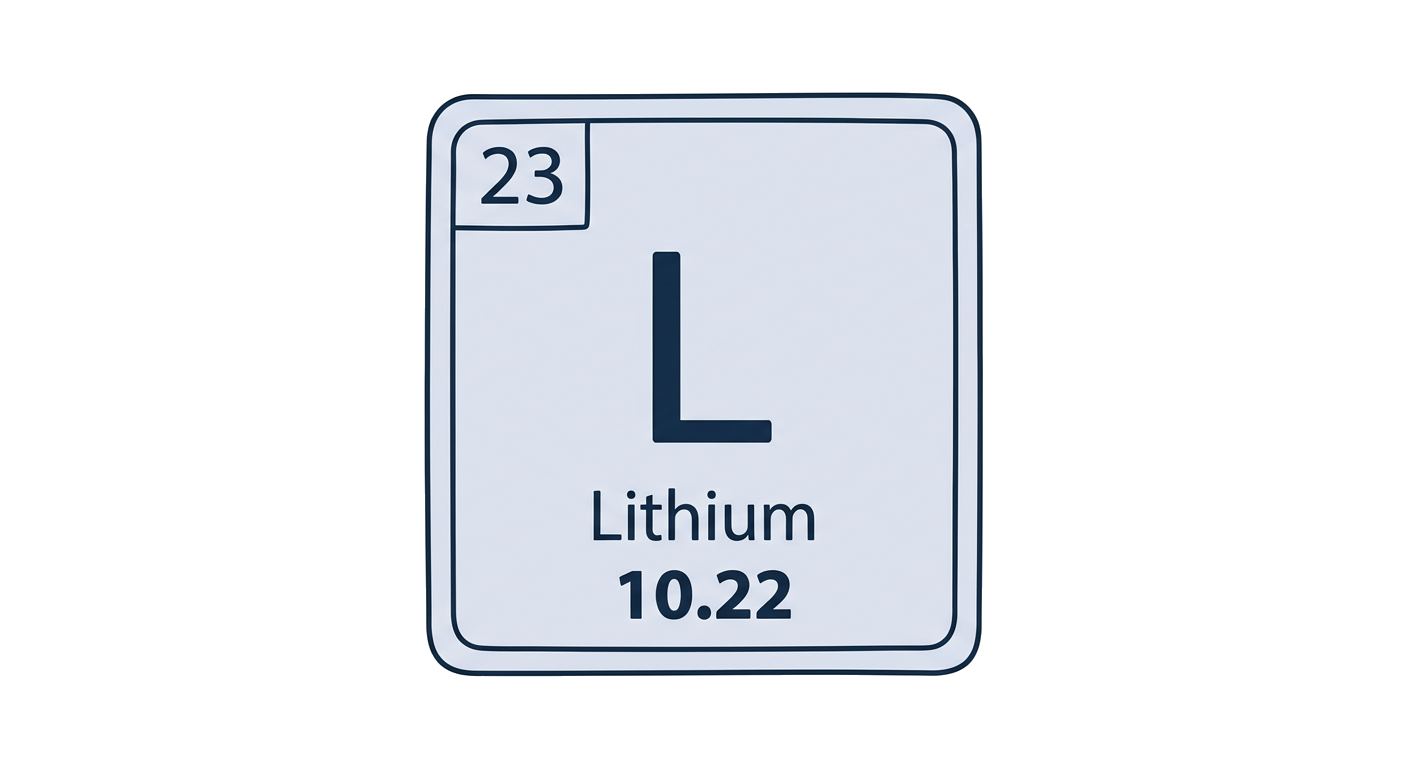
Refer to the element box below for common information about an element.
1. Ionic compounds are formed between two nonmetals.
True
False
2. Prefixes are used when naming covalent compounds.
True
False