Grade 10 Chemistry: Composition Basics
This worksheet covers fundamental concepts of chemical composition, including elements, compounds, mixtures, and basic atomic structure.
Includes
Standards
Topics
Grade 10 Chemistry: Composition Basics
Name:
Date:
Score:
Read each question carefully and answer to the best of your ability. Show all your work for calculations.
1. Which of the following best describes a chemical compound?
Two or more elements physically mixed together.
A substance composed of identical atoms.
Two or more elements chemically bonded together in fixed proportions.
A substance that cannot be broken down into simpler substances.
2. Which of the following is an example of a homogeneous mixture?
Sand and water
Oil and water
Saltwater
A tossed salad
3. The smallest unit of an element that retains the chemical identity of that element is called an .
4. A substance made up of only one type of atom is known as an .
5. When two or more substances are combined but not chemically bonded, they form a .
6. All compounds are molecules, but not all molecules are compounds.
True
False
7. A heterogeneous mixture has a uniform composition throughout.
True
False
8. Differentiate between an element and a compound. Provide an example for each.
9. Explain the difference between a homogeneous and a heterogeneous mixture.
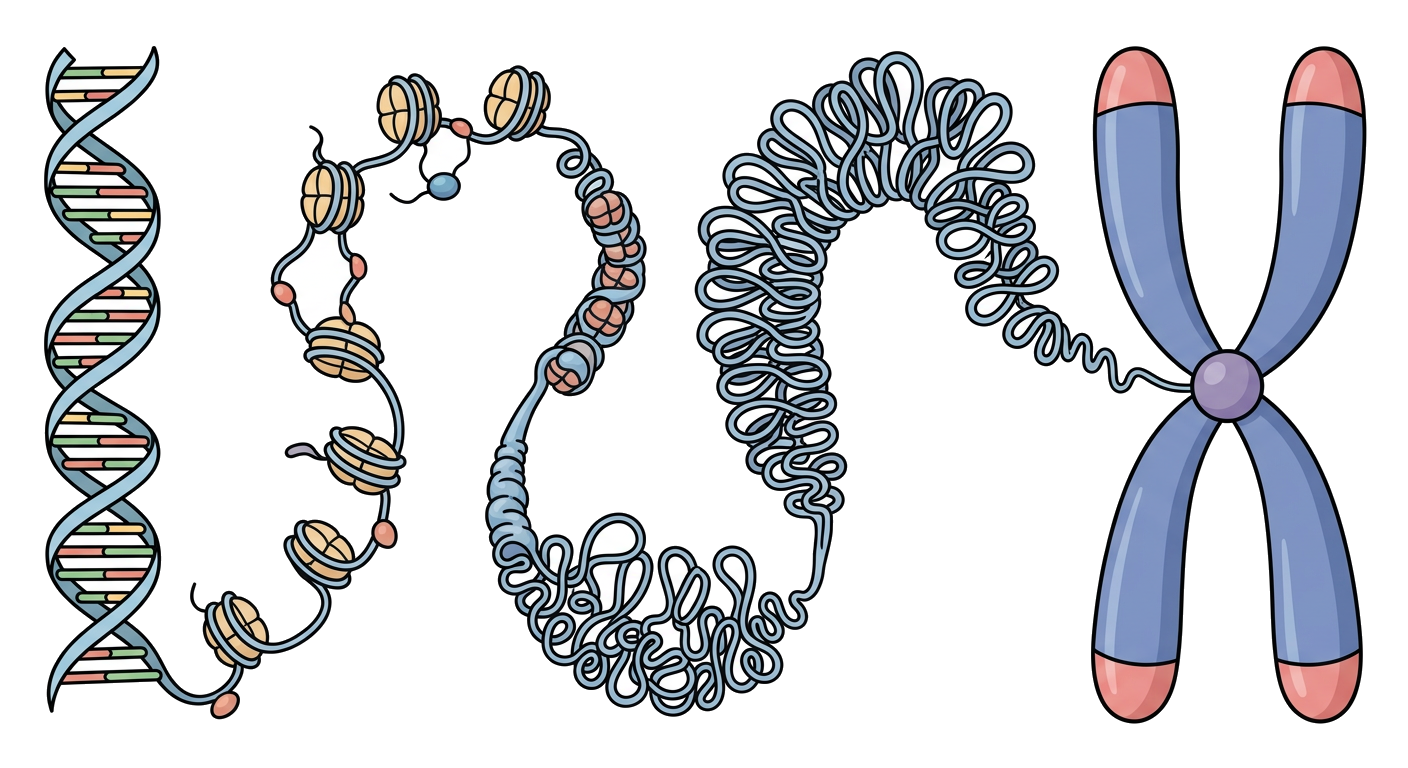
10. Observe the image below. Based on your understanding of atomic structure, what does this diagram represent? Label the main components.