Enthalpy Fundamentals Worksheet
This worksheet covers fundamental concepts of enthalpy, including definitions, types of reactions, and calculations for Grade 10 Science students.
Includes
Standards
Topics
Enthalpy Fundamentals
Name:
Date:
Score:
Read each question carefully and provide your best answer. Show all your work for calculation problems.
1. Which of the following best describes enthalpy?
The total kinetic energy of a system.
The heat content of a system at constant pressure.
The work done by a system on its surroundings.
The change in chemical potential energy.
2. An exothermic reaction is one where:
Heat is absorbed from the surroundings.
Heat is released to the surroundings.
The temperature of the system remains constant.
Work is done by the surroundings on the system.
3. The symbol for enthalpy is , and its unit is typically .
4. In an endothermic reaction, the enthalpy change (ΔH) has a sign.
5. Enthalpy is an intensive property, meaning it depends on the amount of substance present.
True
False
6. The standard enthalpy of formation for a pure element in its standard state is zero.
True
False
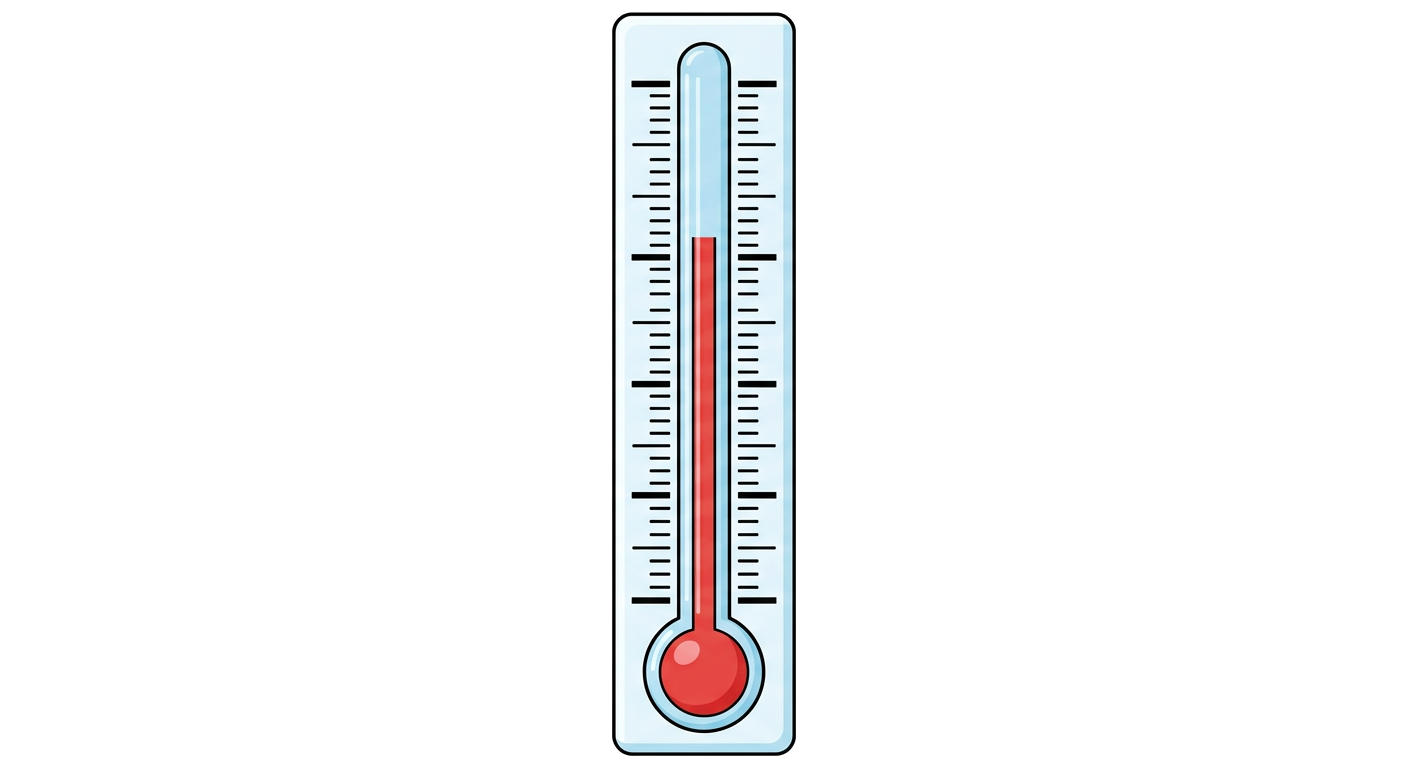
7. Distinguish between an exothermic and an endothermic reaction in terms of heat flow and the sign of ΔH. You may refer to the diagram below for a visual aid.
8. What is Hess's Law, and how is it useful in determining enthalpy changes?
9. Calculate the enthalpy change (ΔH) for the reaction: C(s) + O₂(g) → CO₂(g) given the following standard enthalpies of formation:
ΔH°f [C(s)] = 0 kJ/mol
ΔH°f [O₂(g)] = 0 kJ/mol
ΔH°f [CO₂(g)] = -393.5 kJ/mol