Heat of Formation Worksheet
A Grade 10 Chemistry worksheet covering the concept of heat of formation, including definitions, calculations, and Hess's Law.
Includes
Standards
Topics
Heat of Formation Worksheet
Name:
Date:
Score:
Read each question carefully and answer to the best of your ability. Show all your work for calculation problems.
1. Which of the following statements best defines the standard enthalpy of formation (ΔH°f)?
The heat released or absorbed when a substance dissolves in water.
The enthalpy change when one mole of a compound is formed from its elements in their standard states.
The energy required to break one mole of chemical bonds.
The heat absorbed during a phase change.
2. For which of the following substances is the standard enthalpy of formation (ΔH°f) equal to zero?
H₂O(l)
CO₂(g)
O₂(g)
NaCl(s)
3. The standard state for most elements is defined at a pressure of atm and a specified temperature, usually °C.
4. Hess's Law states that the total enthalpy change for a reaction is the of the enthalpy changes for the individual steps.
5. A negative value for ΔH°f indicates that the formation of the compound is an endothermic process.
True
False
6. The enthalpy of formation of an element in its most stable standard state is always zero.
True
False
7. Explain why the standard enthalpy of formation of O₂(g) is zero, but for O₃(g) it is not.
8. Calculate the standard enthalpy change (ΔH°rxn) for the following reaction using the given standard enthalpies of formation:
2 NO(g) + O₂(g) → 2 NO₂(g)
Given:
ΔH°f [NO(g)] = +90.25 kJ/mol
ΔH°f [NO₂(g)] = +33.18 kJ/mol
9. Consider the formation of an ionic bond between Sodium (Na) and Chlorine (Cl).
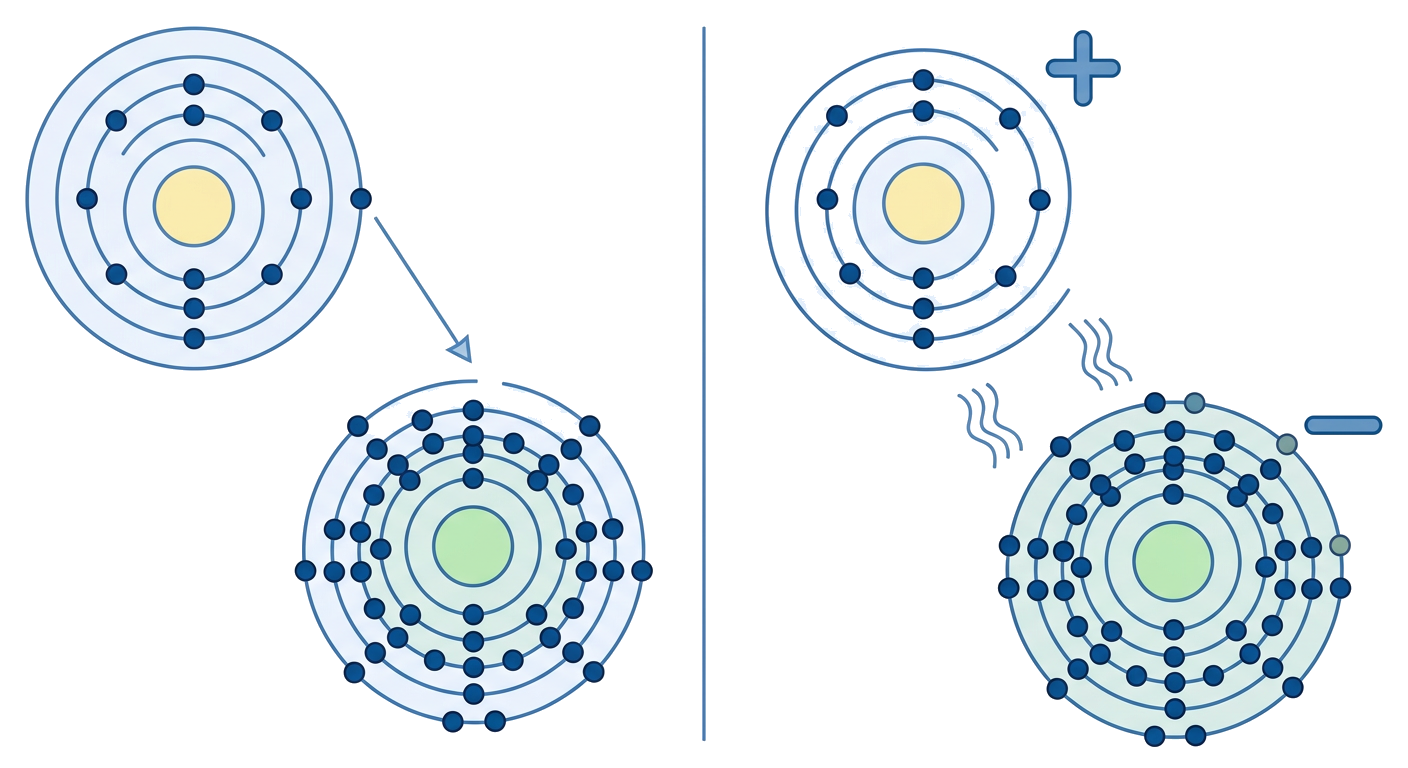
Briefly describe the energy changes that occur during the formation of this ionic bond, relating it to the concept of heat of formation.