Naming Binary Molecular Compounds
A Grade 10 science worksheet focusing on the rules and application of naming binary molecular compounds.
Includes
Standards
Topics
Naming Binary Molecular Compounds
Name:
Date:
Score:
Read each question carefully and follow the instructions to provide your answer. Remember the rules for naming binary molecular compounds.
1. Which prefix is used for four atoms of an element in a binary molecular compound?
tri-
tetra-
penta-
hexa-
2. What is the correct name for the compound PCl₃?
Phosphorus chloride
Phosphorus trichloride
Monophosphorus trichloride
Triphosphorus chloride
3. The prefix for two is .
4. When naming binary molecular compounds, the second element always ends with the suffix .
5. The compound with the formula N₂O₄ is named .
6. Write the chemical formula for dinitrogen pentoxide.
7. Name the compound SO₃.
8. Write the chemical formula for carbon monoxide.
9. In binary molecular compounds, the prefix mono- is always used for the first element if there is only one atom.
True
False
10. The compound CO₂ is named carbon dioxide, not monocarbon dioxide.
True
False
Match the chemical formula with its correct name.
11. SF₆
a. Dihydrogen monoxide
12. H₂O
b. Sulfur hexafluoride
13. CO
c. Carbon monoxide
Binary molecular compounds are formed by two nonmetal elements sharing electrons. This type of bond is called a covalent bond.
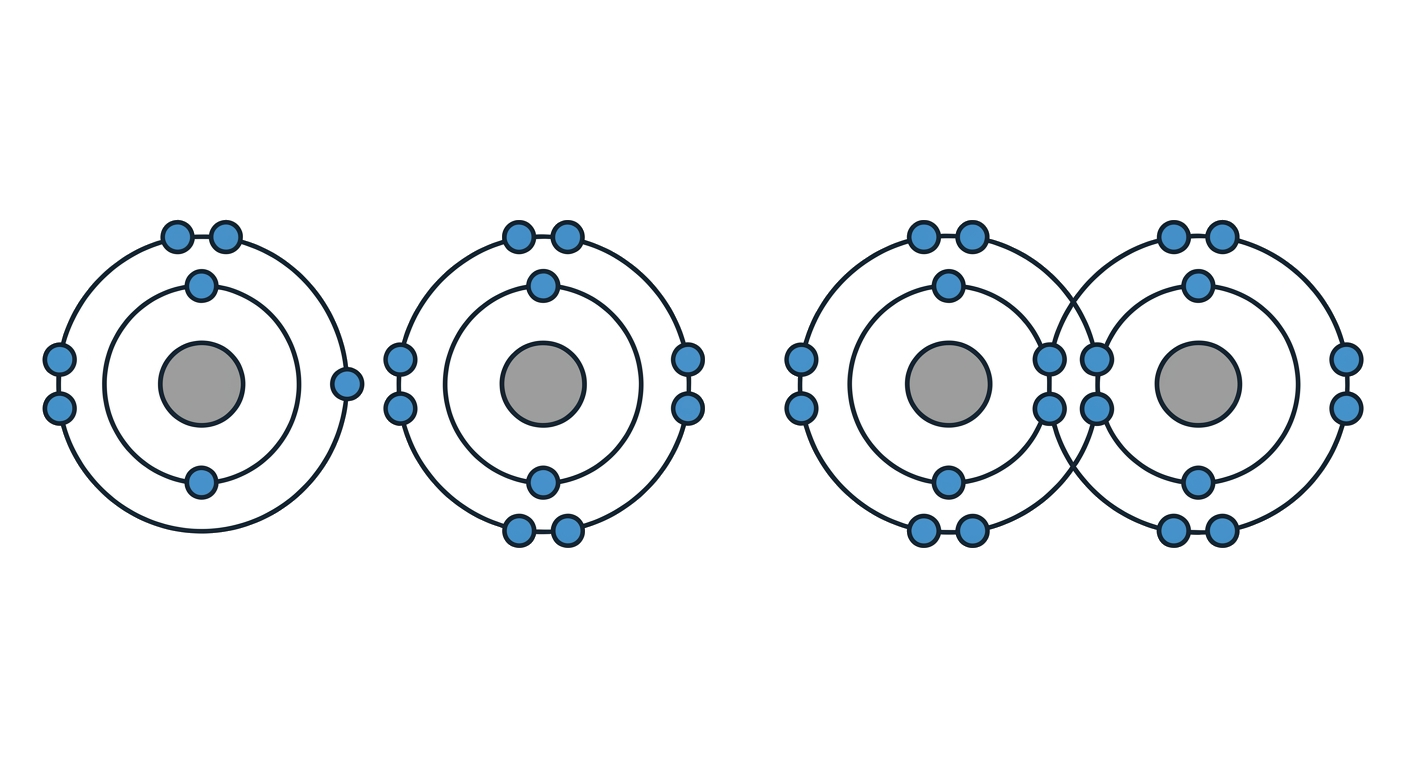
14. Briefly explain what a covalent bond is and how it differs from an ionic bond.