Ionic and Covalent Bonds Worksheet
A Grade 10 science worksheet focusing on the naming conventions for ionic and covalent compounds, including practice questions and explanations.
Includes
Standards
Topics
Ionic and Covalent Bonds: Naming Compounds
Name:
Date:
Score:
Read each question carefully and follow the instructions to correctly name the chemical compounds or identify bond types.
Understanding the fundamental differences between ionic and covalent bonds is crucial for correctly naming chemical compounds.
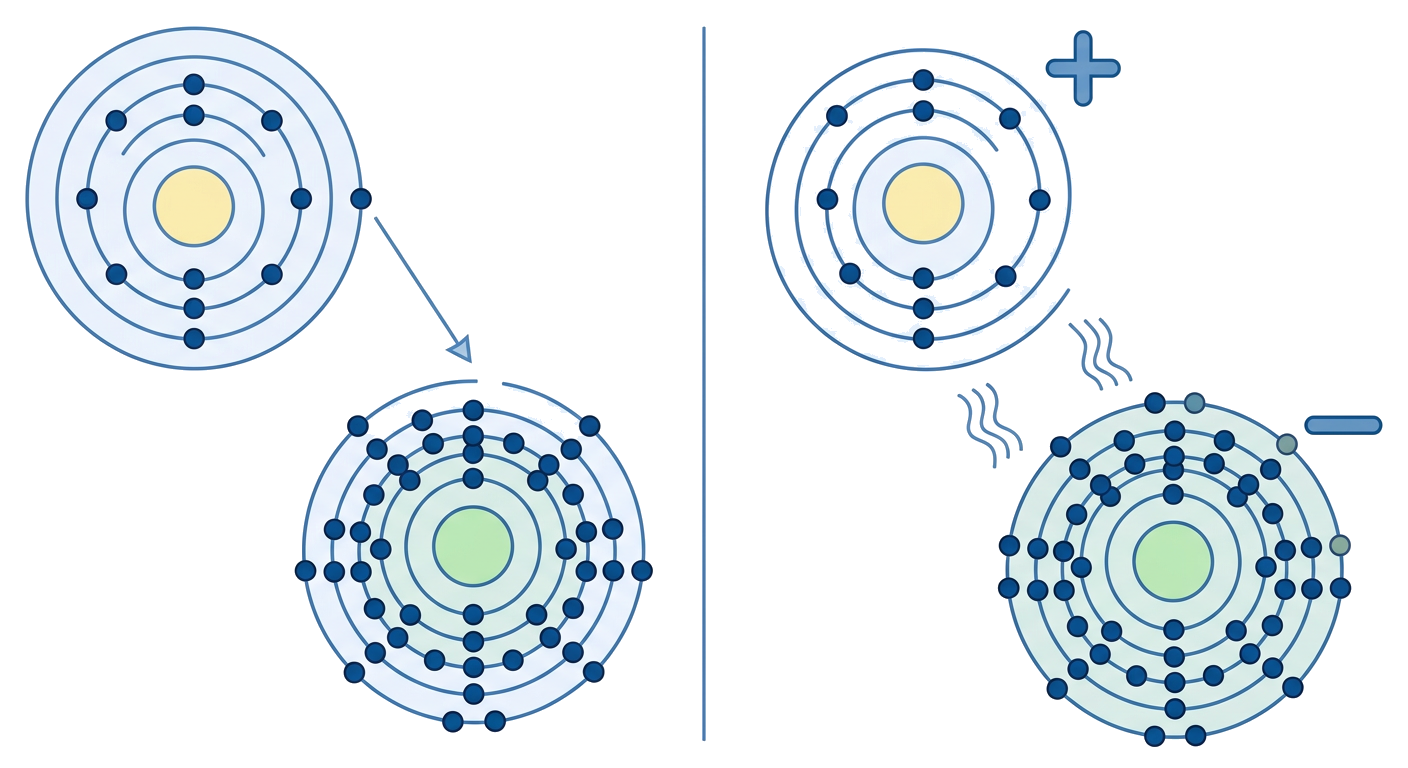
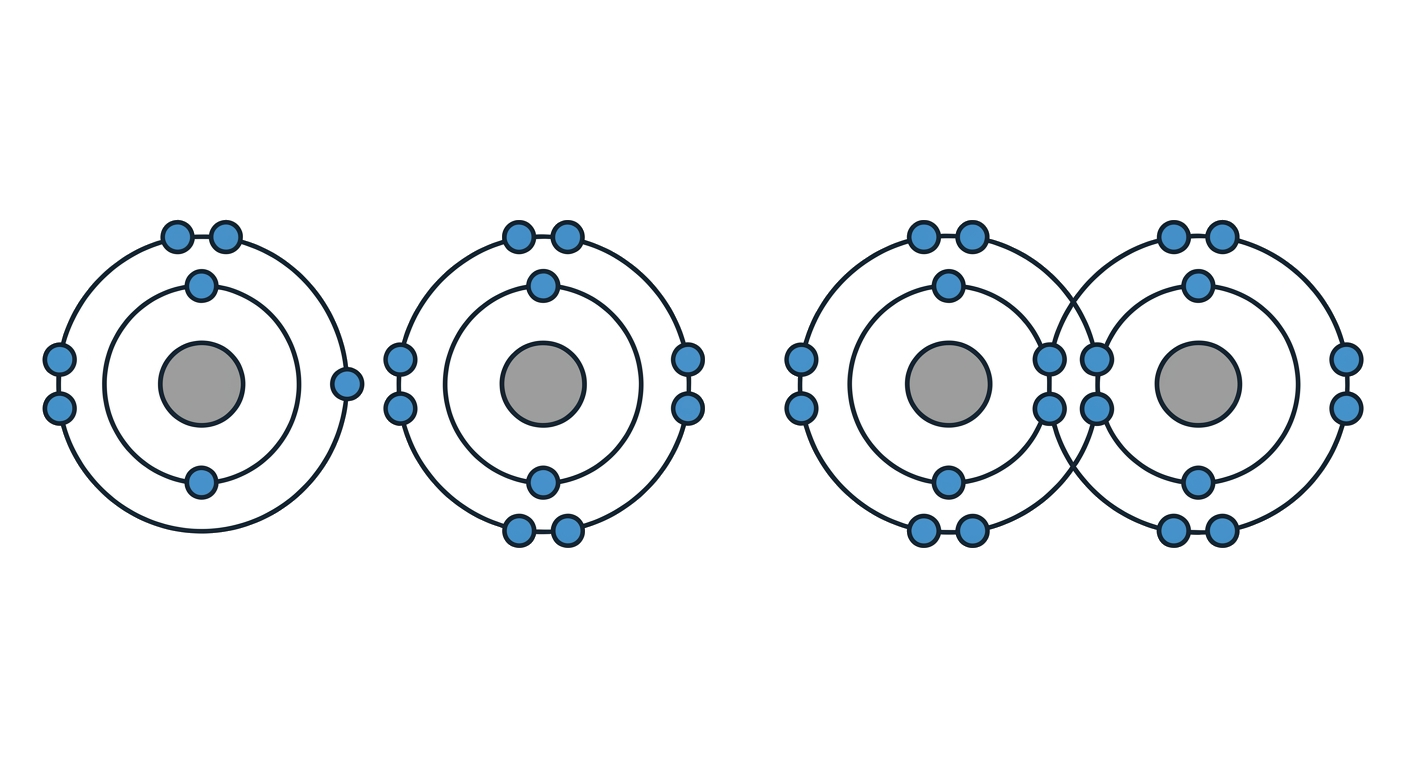
1. Which type of bond involves the transfer of electrons between atoms?
Covalent bond
Ionic bond
Metallic bond
Hydrogen bond
2. What is the correct name for the compound N₂O₄?
Nitrogen oxide
Dinitrogen tetraoxide
Dinitrogen oxide
Nitrogen tetraoxide
3. An ionic bond typically forms between a and a .
4. The prefix 'di-' in a covalent compound name indicates that there are atoms of that element.
5. When naming ionic compounds with transition metals, a numeral is used to indicate the charge of the metal ion.
6. Name the following ionic compounds:
a) NaCl:
b) Fe₂O₃:
c) Ca(OH)₂:
7. Name the following covalent compounds:
a) CO₂:
b) PCl₃:
c) SO₃:
8. The compound CuCl is named Copper(I) Chloride.
True
False
9. In covalent bonding, electrons are shared between nonmetal atoms.
True
False
10. Explain the main differences in the naming conventions for ionic and covalent compounds. Provide an example for each.