Periodic Table Trends Worksheet
Explore and understand key periodic table trends including atomic radius, ionization energy, electronegativity, and metallic character for Grade 10 Chemistry students.
Includes
Standards
Topics
Periodic Table Trends
Name:
Date:
Score:
Read each question carefully and answer to the best of your ability. Use your knowledge of periodic table trends to explain your reasoning.
1. Which of the following elements has the largest atomic radius?
Lithium (Li)
Fluorine (F)
Cesium (Cs)
Neon (Ne)
2. Which trend describes the increase in ionization energy across a period?
Electrons are added to new energy levels.
Nuclear charge increases, pulling electrons closer.
Shielding effect becomes more significant.
The number of valence electrons decreases.
1. is a measure of the ability of an atom in a chemical compound to attract electrons.
2. As you move down a group in the periodic table, the atomic radius tends to .
3. Elements with high electronegativity and high ionization energy are typically .
1. Metallic character generally increases from left to right across a period.
True
False
2. Ionization energy is the energy required to remove an electron from a gaseous atom.
True
False
1. Explain why atomic radius decreases across a period.
2. Describe the trend of electronegativity down a group and explain the reason behind it.
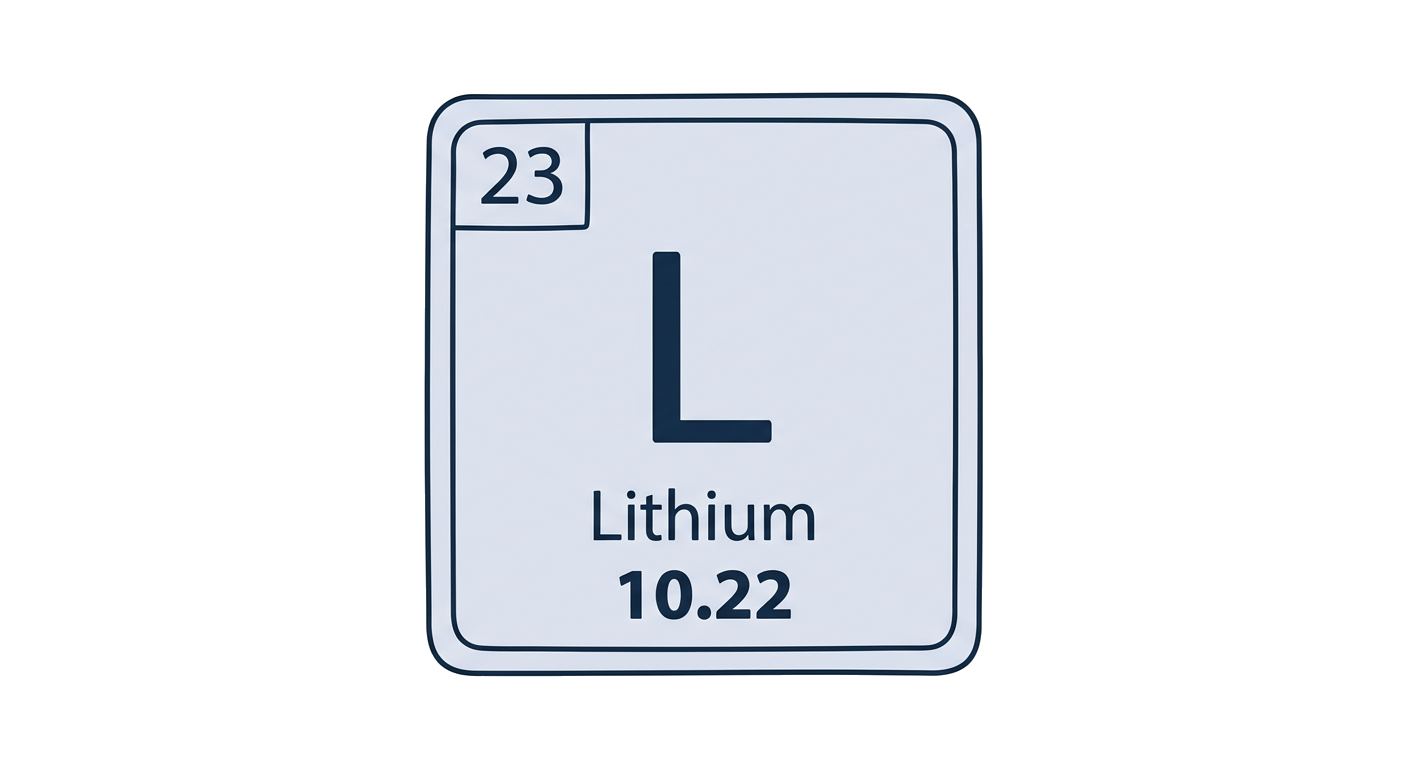
Reference the periodic table below to answer the questions.
Related Worksheets
Ions and Formula Units Worksheet
Explore the formation of ions, ionic bonds, and the naming and writing of chemical formulas for ionic compounds at a Grade 10 level.
Actual Yield in Chemical Reactions
Explore the concept of actual yield, theoretical yield, and percentage yield in chemical reactions with this Grade 10 chemistry worksheet.
Exploring Salts: Properties and Reactions
This worksheet covers the properties, formation, and uses of various salts, including their role in everyday life and chemical reactions.
Relative Mass Worksheet
Explore the concepts of relative atomic mass, relative molecular mass, and isotopic abundance in this Grade 10 chemistry worksheet.
Solubility Curves Worksheet
This worksheet explores solubility curves, their interpretation, and how they represent the relationship between temperature and the solubility of substances.
Predicting Products of Chemical Reactions
Grade 10 Science worksheet focusing on predicting the products of various types of chemical reactions, including synthesis, decomposition, single displacement, double displacement, and combustion.
Band of Stability Worksheet
Explore the concept of the band of stability, nuclear forces, and radioactive decay with this Grade 10 chemistry worksheet.
Electron Dot Diagrams Worksheet
A Grade 10 Science worksheet covering electron dot diagrams, valence electrons, and their importance in chemical bonding.