Periodic Trends Worksheet
Explore the fundamental periodic trends of elements including atomic radius, ionization energy, electronegativity, and metallic character.
Includes
Standards
Topics
Periodic Trends Worksheet
Name:
Date:
Score:
Read each question carefully and answer to the best of your ability. Show all your work for calculations.
1. Which of the following elements has the largest atomic radius?
Lithium (Li)
Sodium (Na)
Potassium (K)
Rubidium (Rb)
2. Which trend describes the increase in electronegativity across a period?
Decreased nuclear charge
Increased shielding effect
Increased attraction for electrons
Increased principal energy levels
3. The energy required to remove an electron from a gaseous atom is called its .
4. Elements with high electronegativity values tend to be .
5. Atomic radius generally increases as you move from left to right across a period.
True
False
6. Metallic character decreases down a group in the periodic table.
True
False
7. Explain why ionization energy generally increases across a period.
8. Describe the relationship between atomic radius and metallic character.
Match each periodic trend with its definition.
9. Atomic Radius
a. Energy change when an electron is added to a neutral atom
10. Ionization Energy
b. Ability of an atom to attract electrons in a chemical bond
11. Electronegativity
c. Half the distance between the nuclei of two identical atoms bonded together
12. Electron Affinity
d. Energy required to remove the outermost electron from a gaseous atom
Refer to the diagram below to answer the following question.
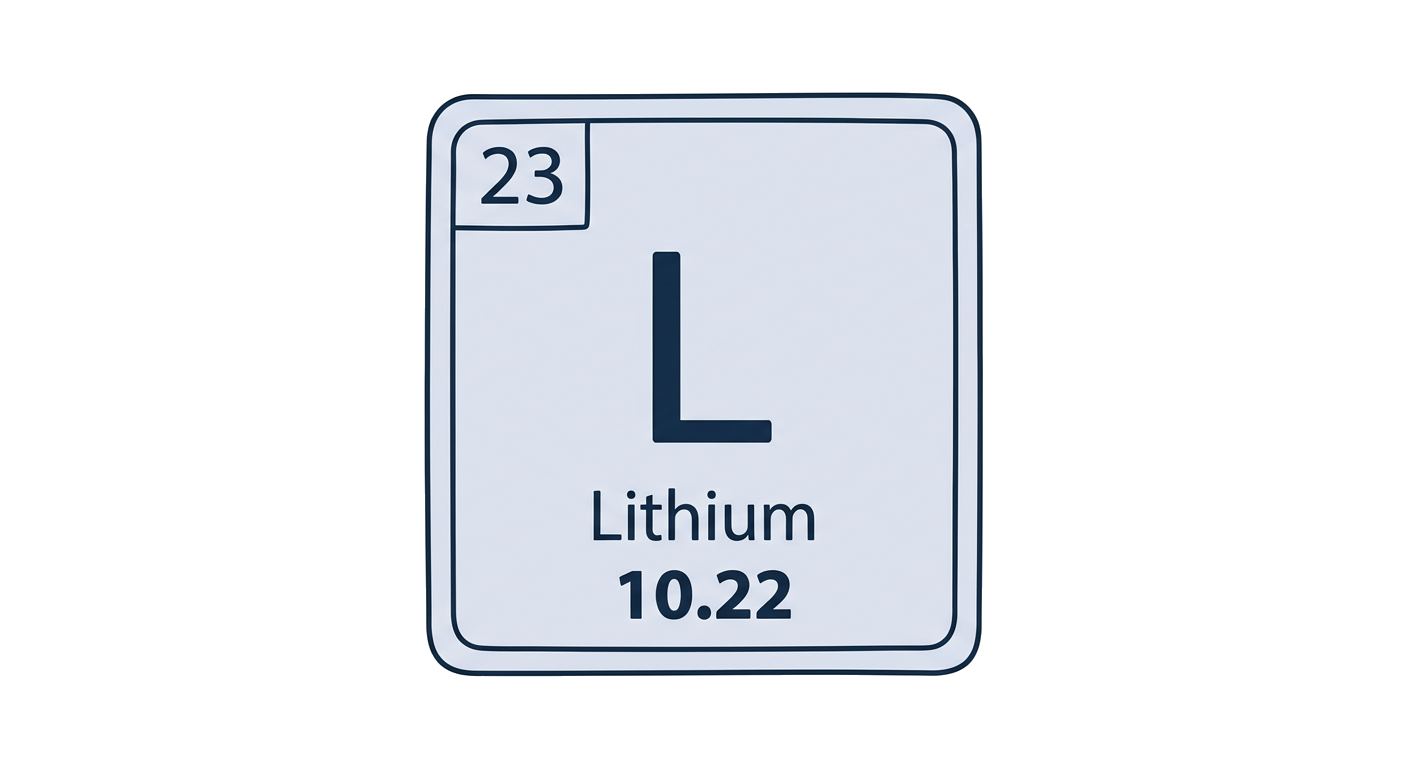
13. Using the periodic table, identify an element that would have a higher ionization energy than Carbon (C) but a lower electronegativity than Fluorine (F). Justify your answer.