Energy Resources Worksheet
Explore different types of energy resources, their advantages, disadvantages, and environmental impacts in this comprehensive worksheet for Grade 10 Science students.
Includes
Standards
Topics
Energy Resources
Name:
Date:
Score:
Read each question carefully and answer to the best of your knowledge. For multiple-choice questions, circle the correct option. For fill-in-the-blanks, write your answer in the space provided. For short-answer questions, provide detailed explanations.
1. Which of the following is a non-renewable energy resource?
Solar
Wind
Natural Gas
Hydroelectric
2. What is the primary disadvantage of using fossil fuels for energy?
They are expensive to extract.
They produce greenhouse gases.
They are only found in a few locations.
They are difficult to transport.
3. Energy resources that can be replenished naturally over a relatively short period are called energy resources.
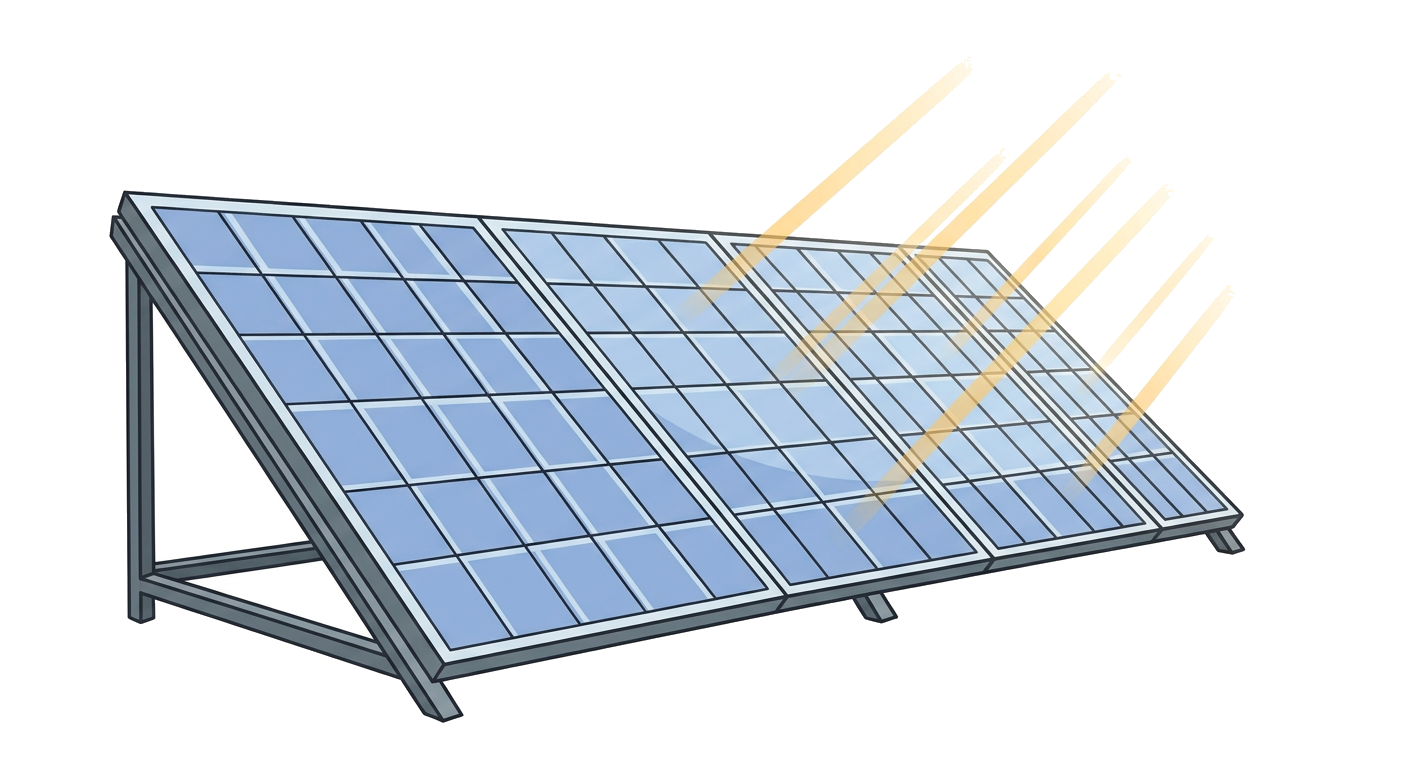
4. The process of converting sunlight directly into electricity using photovoltaic cells is known as the effect.
5. Geothermal energy is a non-renewable energy source.
True
False
6. Nuclear power plants produce electricity through nuclear fusion.
True
False
7. Explain the main difference between renewable and non-renewable energy resources, providing two examples for each.
8. Describe how a solar panel generates electricity. Include a diagram to support your explanation.
Match the energy resource with its primary characteristic.
9. Wind Energy
a. Relies on Earth's internal heat
10. Coal
b. Utilizes moving air
11. Geothermal Energy
c. A fossil fuel
Use the words below to complete the sentences.
12. The burning of fossil fuels releases into the atmosphere, contributing to climate change.
13. Energy generated from organic matter, such as plants and animal waste, is known as energy.
14. Nuclear power plants use as their primary fuel source.
Related Worksheets
Plate Boundaries Worksheet - Grade 10 Science
Explore the different types of plate boundaries, their geological features, and associated phenomena.
Space Exploration Worksheet
Explore the history, technology, and future of space exploration with this comprehensive worksheet for Grade 10 science students.
Continental Drift Worksheet
Explore the theory of continental drift, Pangea, and evidence supporting plate tectonics.
Soil Horizons Exploration
A Grade 10 science worksheet exploring the layers and characteristics of soil horizons.
Nitrogen Cycle Worksheet
A comprehensive worksheet for Grade 10 students to assess their understanding of the nitrogen cycle, including its stages, organisms involved, and environmental impact.
Grade 10 Science: Lab Safety and Procedures
This worksheet covers essential lab safety rules, common laboratory equipment, and fundamental practical skills for Grade 10 science students.
Earth History Exploration
This worksheet explores key concepts in Earth's history, including geological eras, major events, and dating methods for Grade 10 Science students.
Global Wind Patterns Worksheet
Explore the fundamental concepts of global wind patterns, including the Coriolis effect, pressure systems, and major wind belts, through a variety of question types.