Observation and Inference in Science
Explore the fundamental scientific practices of observation and inference with this Grade 10 science worksheet. Develop critical thinking skills by distinguishing between what is directly observed and what can be logically inferred from evidence.
Includes
Standards
Topics
Observation and Inference in Science
Name:
Date:
Score:
Read each question carefully and provide your best answer. Distinguish between direct observations and logical inferences based on given information.
1. Which of the following is an example of an observation?
The plant is wilting because it needs water.
The sky is dark, so it will rain soon.
The liquid in the beaker is clear and colorless.
The animal is hungry because it is looking for food.
2. An inference is a conclusion reached on the basis of:
Direct sensory experience.
Evidence and reasoning.
Personal feelings or beliefs.
Supernatural phenomena.
1. All observations are quantitative.
True
False
2. An inference can be made even without any prior observations.
True
False
1. An observation is a factual statement made using one or more of the five .
2. When you explain or interpret an observation, you are making an .
1. Observe the image below. List three observations and two inferences you can make about the object shown.
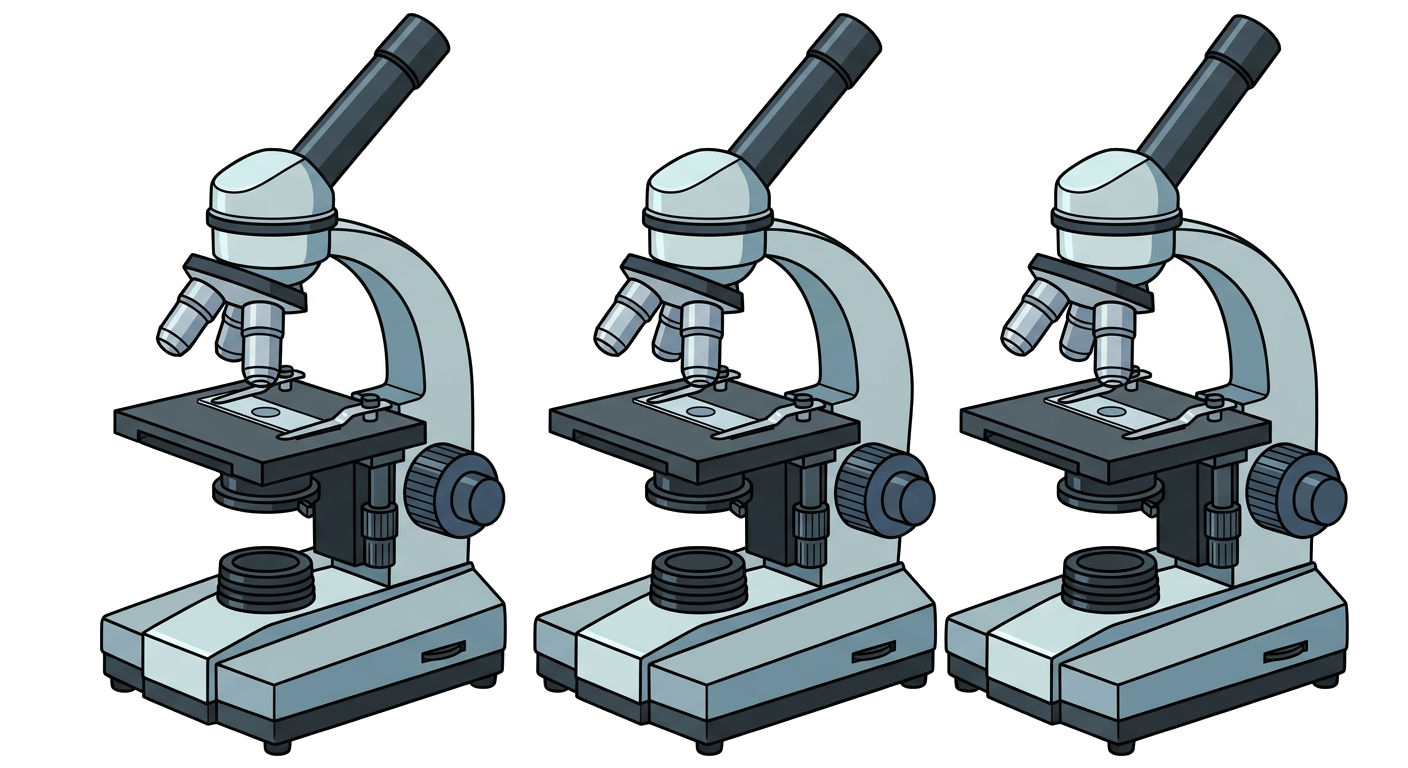
Observations:
Inferences:
2. A scientist observes that a specific chemical reaction produces a gas that turns limewater cloudy. What inference can the scientist make from this observation?
Related Worksheets
Understanding the Scientific Hypothesis
This worksheet focuses on understanding, formulating, and evaluating scientific hypotheses for Grade 10 science students.
Engineering Design Process Worksheet
This worksheet covers the key stages and principles of the engineering design process, suitable for Grade 10 science students.
Hypothesis, Theory, and Law in Science
Explore the fundamental concepts of hypothesis, theory, and law in scientific inquiry with this comprehensive worksheet for Grade 10 science students.
Experimental Design Worksheet
A Grade 10 science worksheet focusing on the principles and components of experimental design, including variables, controls, and hypothesis formation.