Intake and Output in the Human Body
Explore the concepts of intake and output in the human body, focusing on the systems involved in maintaining homeostasis.
Includes
Standards
Topics
Intake and Output in the Human Body
Name:
Date:
Score:
Read each question carefully and provide your answer in the space provided. For multiple-choice questions, circle the letter corresponding to the correct answer.
1. Which of the following is NOT considered a primary route of fluid intake in the human body?
Drinking water
Metabolic water production
Eating solid foods
Sweating
2. Which organ system is primarily responsible for the excretion of metabolic waste products from the body?
Digestive system
Respiratory system
Urinary system
Integumentary system
3. The process of maintaining a stable internal environment in the body is called .
4. Water produced during cellular respiration is known as water.
5. Briefly explain the role of the kidneys in regulating fluid output.
6. Insensible water loss refers to water lost through urination and defecation.
True
False
7. The respiratory system contributes to both fluid intake and output.
True
False
Match the term on the left with its corresponding description on the right.
8. Intake
a. Processes that remove substances from the body
9. Output
b. Substances taken into the body
10. Homeostasis
c. Maintenance of a stable internal environment
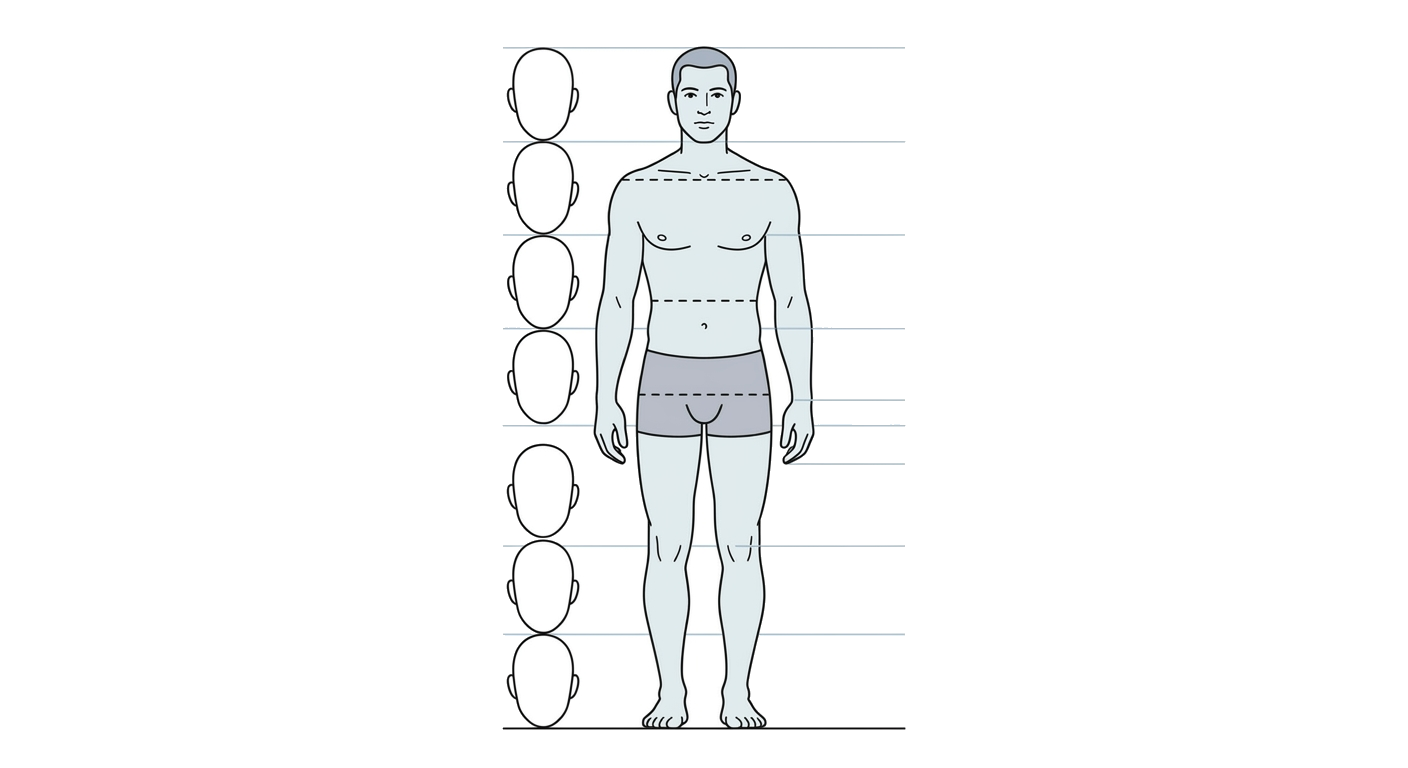
11. Observe the provided diagram of the human body. Identify two organ systems involved in fluid output and briefly describe their role.
Related Worksheets
Grade 10 Animal Biology Worksheet
This worksheet covers fundamental concepts in animal biology, including cell structure, classification, and basic physiological processes suitable for Grade 10 science students.
Owl Pellet Dissection: Unraveling the Diet of Owls
This worksheet guides Grade 10 students through the process of owl pellet dissection, exploring predator-prey relationships, food webs, and ecological concepts.
The Human Eye: Structure and Function
Explore the anatomy and physiology of the human eye with this comprehensive worksheet for Grade 10 science students.
Ear Notching for Animal Identification
This worksheet covers the principles and applications of ear notching as an animal identification method, focusing on its use in livestock management.
Natural Selection and Adaptations Worksheet
Explore the principles of natural selection, types of adaptations, and their role in evolution with this Grade 10 science worksheet.
Grade 10 Health Science Worksheet
A worksheet for Grade 10 Health Science covering human anatomy, physiology, and health concepts.