Understanding Adverse Childhood Experiences (ACEs)
This worksheet introduces Grade 10 students to Adverse Childhood Experiences (ACEs), their impact on development, and strategies for resilience.
Includes
Standards
Topics
Understanding Adverse Childhood Experiences (ACEs)
Name:
Date:
Score:
Read each question carefully and answer to the best of your ability. Some questions may require critical thinking and personal reflection.
Adverse Childhood Experiences (ACEs) are potentially traumatic events that occur in childhood (0-17 years). They include experiences like abuse, neglect, and household dysfunction. Research shows a strong link between ACEs and health and well-being outcomes throughout life.
1. Which of the following is NOT typically considered an Adverse Childhood Experience (ACE)?
Parental divorce
Physical abuse
Attending a new school in a different city
Witnessing domestic violence
2. ACEs can significantly impact a child's development and overall health.
3. The more ACEs an individual experiences, the higher their risk for various and behavioral problems in adulthood.
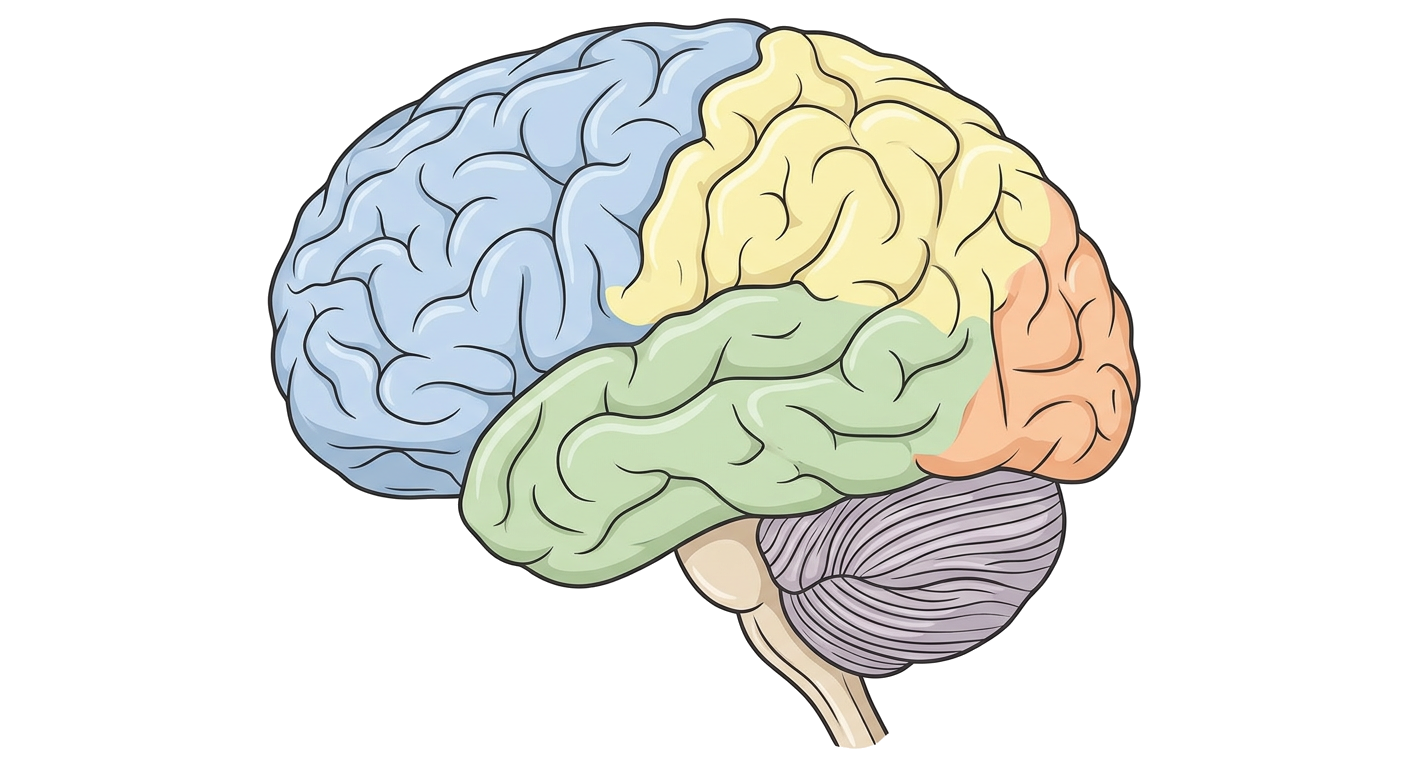
4. Explain how chronic stress from ACEs can affect brain development in children.
5. Resilience factors, such as supportive relationships, can help mitigate the negative effects of ACEs.
True
False
6. Discuss at least two ways communities can support children and families to prevent or address Adverse Childhood Experiences.