Understanding Cognitive Biases
This worksheet introduces Grade 10 students to common cognitive biases, helping them recognize and critically analyze how these biases influence decision-making and perceptions.
Includes
Standards
Topics
Understanding Cognitive Biases
Name:
Date:
Score:
Read each question carefully and provide thoughtful answers. This worksheet explores various cognitive biases and their impact on our understanding of the world.
1. What is a cognitive bias? Provide a brief definition in your own words.
2. Which of the following scenarios best illustrates confirmation bias?
A student changing their opinion after reviewing new evidence.
A person only seeking out news sources that support their existing political views.
A scientist designing an experiment to test a hypothesis.
A detective considering all possible suspects in a case.
3. The availability heuristic is a mental shortcut that relies on immediate examples that come to a given person's mind when evaluating a specific topic, concept, method, or decision. For example, if someone believes that plane crashes are more common than car accidents because they see more news coverage of plane crashes, they are falling victim to the .
4. True or False: Anchoring bias occurs when an individual relies too heavily on an initial piece of information (the 'anchor') when making decisions.
True
False
5. How might cognitive biases affect a person's ability to make fair and objective judgments about others in a social setting?
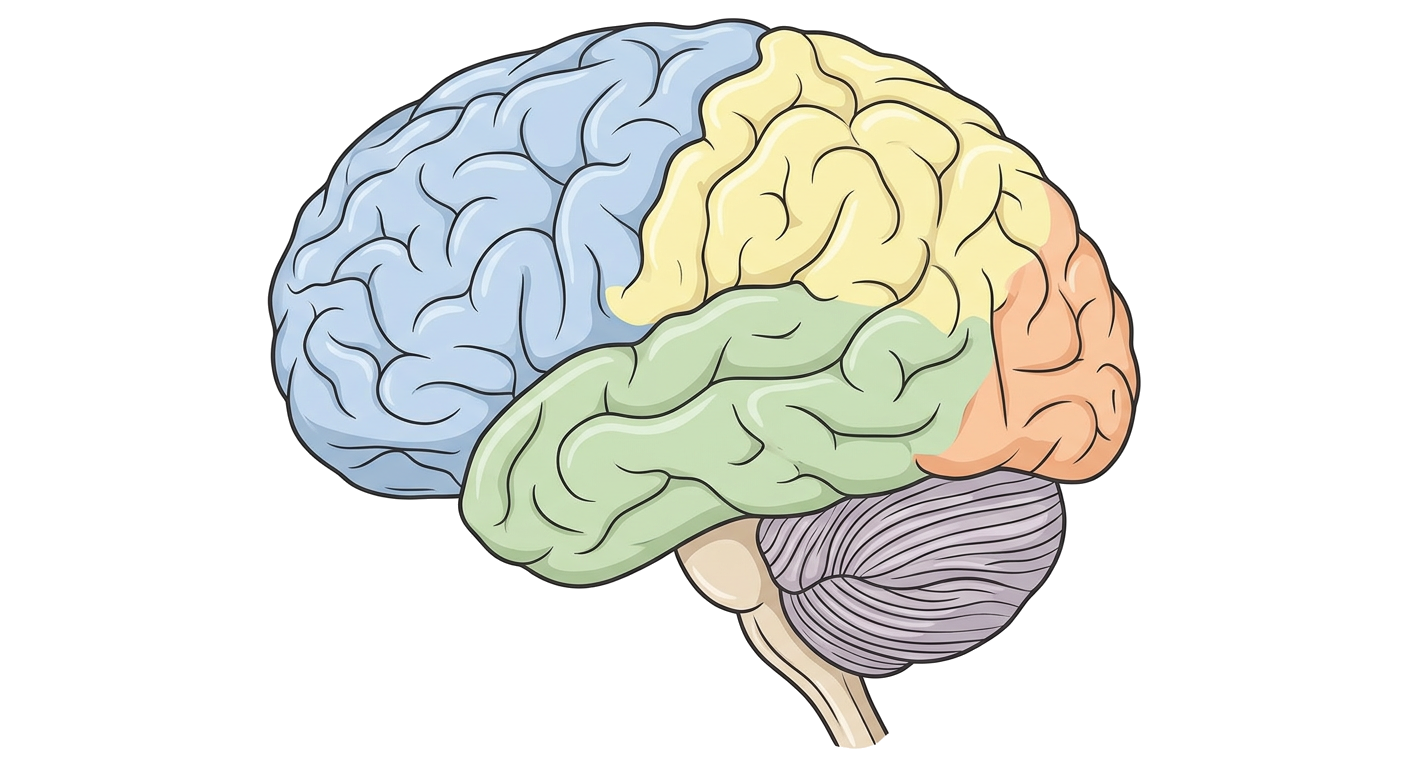
The human brain is a complex organ responsible for all our thoughts, emotions, and actions. While incredibly powerful, its mechanisms for processing information can sometimes lead to systematic errors in thinking, known as cognitive biases. These biases are often unconscious and can influence our decisions, perceptions, and judgments in various situations.
6. Based on the text and your understanding, explain why our brains might develop cognitive shortcuts (biases) even if they can lead to errors.
Match each cognitive bias with its description.
7. Anchoring Bias
a. Tendency to attribute positive events to one's own character and negative events to external factors.
8. Self-Serving Bias
b. Relying too heavily on the first piece of information offered.
9. Halo Effect
c. The tendency for an impression created in one area to influence opinion in another area.
10. Suggest two strategies individuals can use to minimize the impact of cognitive biases in their daily decision-making.