Home / Worksheets / Grade 11 / Physical Education / Elbow Stretch Fundamentals

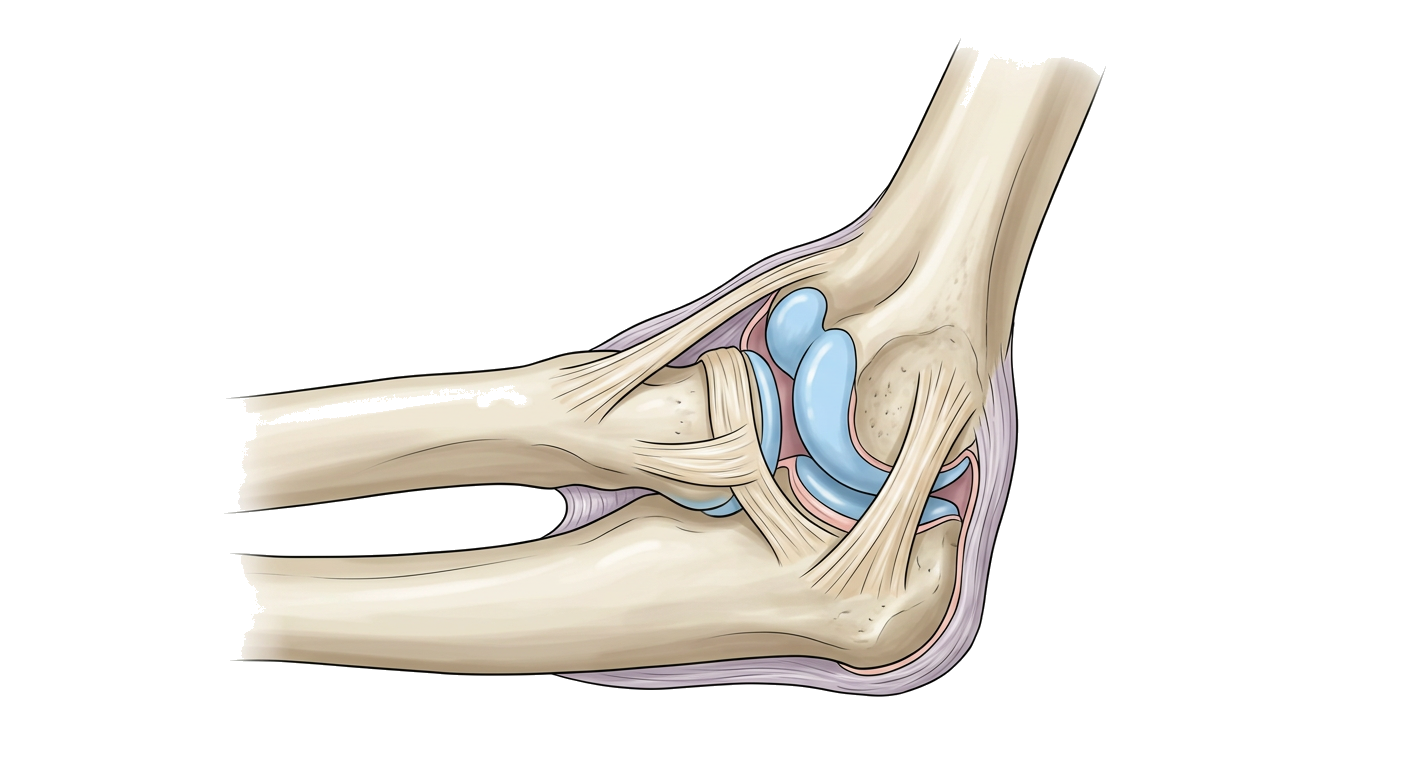
Elbow Stretch Fundamentals

This worksheet covers the anatomy of the elbow joint, proper elbow stretching techniques, and the benefits and risks associated with elbow stretches for Grade 11 Physical Education.

Grade 11 Physical Education Movement and Motor SkillsStretchingElbow Stretch
Use This Worksheet

Includes

Multiple ChoiceFill in the BlanksShort AnswerTrue / FalseLong Answer

Topics

SHAPE.PE.9-12.M3.H1SHAPE.PE.9-12.M17.H1Physical EducationStretchingElbow StretchAnatomyFlexibility
7 sections · Free to use · Printable
← More Physical Education worksheets for Grade 11

Elbow Stretch Fundamentals

Name:

Date:

Score:

Read each question carefully and provide thoughtful answers. This worksheet will assess your understanding of the elbow joint, various elbow stretches, and their importance in physical activity.

1. Which three bones primarily articulate to form the elbow joint?

a

Femur, Tibia, Fibula

b

Humerus, Radius, Ulna

c

Scapula, Clavicle, Humerus

d

Carpals, Metacarpals, Phalanges

2. The elbow joint is primarily classified as what type of joint?

a

Ball-and-socket

b

Pivot

c

Hinge

d

Gliding

Human Elbow Joint

3. The primary muscles responsible for elbow flexion are the   and the  .

4. Elbow extension is primarily performed by the   muscle.

5. Pronation and supination of the forearm occur at the   joint, which is part of the elbow complex.

6. Explain three key benefits of incorporating elbow stretches into a regular fitness routine.

7. Describe two potential risks or contraindications associated with improper or excessive elbow stretching.

8. Static stretching involves holding a stretch for a sustained period, typically 15-30 seconds.

T

True

F

False

9. Dynamic stretching is generally recommended as a warm-up before intense physical activity.

T

True

F

False

10. Describe in detail how to perform a proper wrist extensor stretch (targeting muscles that cross the elbow joint). Include proper body positioning, movement, and common cues for safety and effectiveness.

Related Worksheets

Quad Stretch Technique and Benefits

This worksheet covers proper technique, benefits, and common mistakes associated with the quadriceps stretch, suitable for Grade 11 Physical Education students.

Range of Motion Assessment & Improvement

This worksheet covers key concepts related to range of motion, including its definition, factors affecting it, types of flexibility, and assessment methods, suitable for Grade 11 Physical Education.

Shoulder Stretch Techniques and Benefits

This worksheet covers proper shoulder stretching techniques, their benefits, and common mistakes to avoid for Grade 11 Physical Education students.

Hip Flexor Flexibility Worksheet

This worksheet focuses on understanding and performing hip flexor stretches, their benefits, and proper technique for Grade 11 Physical Education students.

Glute Stretch Worksheet

This worksheet focuses on understanding and performing glute stretches, their benefits, and proper techniques for Grade 11 Physical Education students.

Movement Analysis in Sports Performance

This worksheet explores the principles and applications of movement analysis in physical education, focusing on biomechanics, qualitative vs. quantitative analysis, and performance enhancement strategies.

Hamstring Stretch Techniques

This worksheet focuses on understanding and safely performing hamstring stretches, their benefits, and proper form for Grade 11 Physical Education students.

Psoas Stretch Worksheet

Grade 11 Physical Education worksheet covering the anatomy, benefits, and proper execution of the Psoas stretch.