Ionization Energy Worksheet
A Grade 11 Chemistry worksheet on Ionization Energy, including definitions, trends, and related concepts.
Includes
Standards
Topics
Ionization Energy: Grade 11 Chemistry
Name:
Date:
Score:
Read each question carefully and answer to the best of your ability. Show all work where applicable.
1. Ionization energy is the minimum amount of energy required to remove the most loosely bound from an isolated gaseous atom or ion.
2. The first ionization energy refers to the removal of the electron, while the second ionization energy refers to the removal of the second electron.
3. The general trend for ionization energy across a period (from left to right) is to .
4. The general trend for ionization energy down a group (from top to bottom) is to .
5. Which of the following elements would have the highest first ionization energy?
Potassium (K)
Fluorine (F)
Calcium (Ca)
Bromine (Br)
6. Why does the ionization energy generally increase across a period?
Increasing atomic radius
Decreasing nuclear charge
Increasing effective nuclear charge
Increasing shielding effect
7. It takes more energy to remove a second electron from an atom than it does to remove the first.
True
False
8. Noble gases have very low ionization energies due to their stable electron configurations.
True
False
9. Explain why the ionization energy decreases as you move down a group in the periodic table.
10. Compare and contrast the first ionization energies of sodium (Na) and chlorine (Cl). Explain your reasoning.
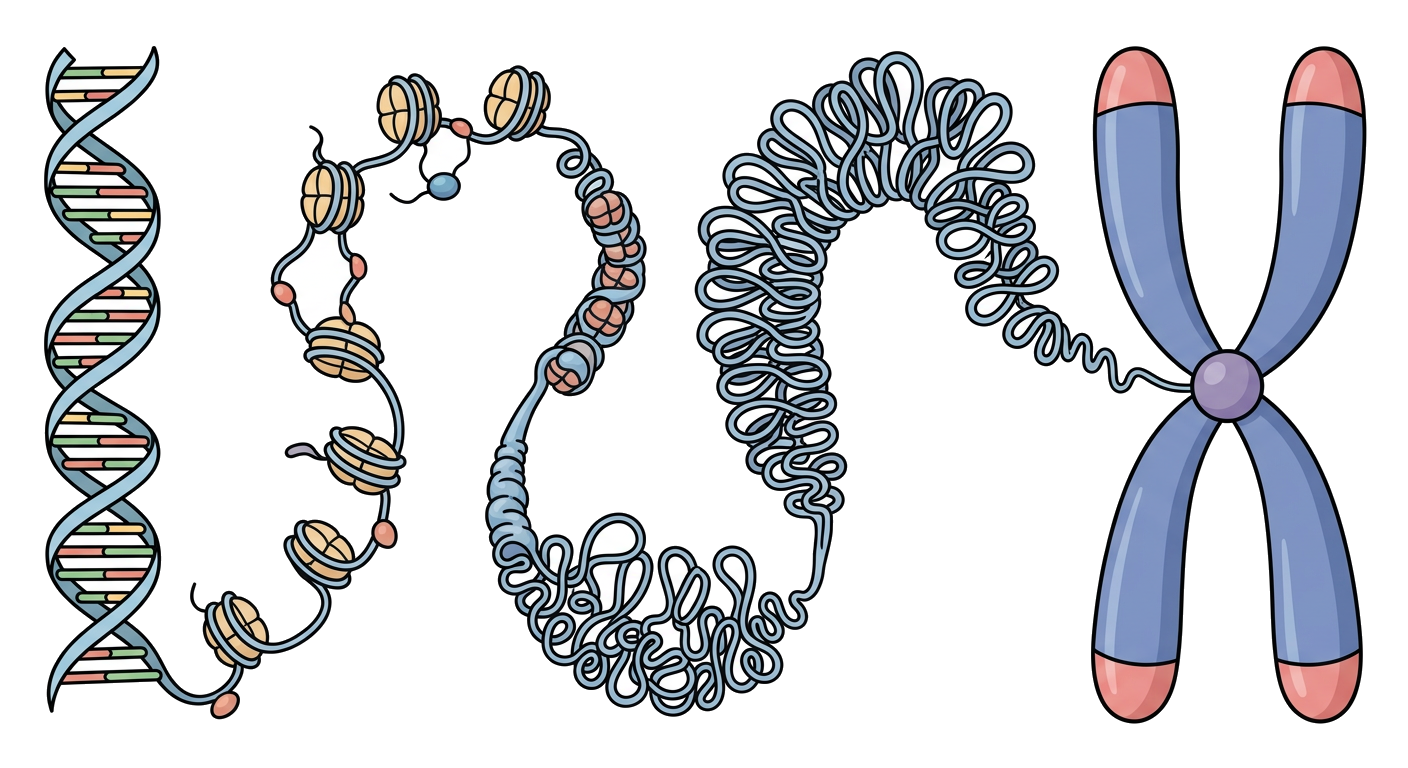
11. The image above shows a representation of an atomic structure. Briefly describe how the concept of ionization energy relates to the electrons within this structure.
Related Worksheets
pH and pOH Calculations Worksheet
A Grade 11 Chemistry worksheet focusing on pH and pOH calculations, including strong acids, bases, and ion concentrations.
Ionic Bonds Worksheet
Explore the fundamentals of ionic bonding, including electron transfer, ion formation, and properties of ionic compounds, suitable for Grade 11 Chemistry students.
Molecular Geometry Worksheet
A Grade 11 Chemistry worksheet focusing on VSEPR theory and molecular shapes, including questions on bond angles and polarity.
Lewis Structure Practice Worksheet
A Grade 11 Chemistry worksheet focusing on drawing and understanding Lewis Structures, including octet rule, formal charge, and resonance.
Molecular Structure Worksheet
A Grade 11 Science worksheet covering key concepts in molecular structure, including VSEPR theory, hybridization, and intermolecular forces.
Calorimetry Principles
This worksheet explores the fundamental principles of calorimetry, including heat transfer, specific heat capacity, and calculations related to calorimetry experiments.
Grade 11 Chemistry: Word Equations
A worksheet for Grade 11 Chemistry students focusing on writing and balancing word equations for chemical reactions.
Types of Chemical Reactions Worksheet
Explore different types of chemical reactions including synthesis, decomposition, single displacement, double displacement, and combustion with this Grade 11 chemistry worksheet.