Polar Molecules Worksheet
Explore the concepts of polar and nonpolar molecules, electronegativity, and their impact on molecular properties with this Grade 11 chemistry worksheet.
Includes
Standards
Topics
Polar Molecules: An Introduction
Name:
Date:
Score:
Read each question carefully and provide your best answer. Use your knowledge of chemical bonding, electronegativity, and molecular geometry to determine molecular polarity.
1. Which of the following best describes a polar molecule?
A molecule with equally shared electrons between atoms.
A molecule with a symmetrical distribution of charge.
A molecule with an uneven distribution of electron density, creating partial positive and negative poles.
A molecule composed of only one type of atom.
2. High electronegativity difference between bonded atoms typically leads to:
Nonpolar covalent bonds
Ionic bonds
Polar covalent bonds
Metallic bonds
3. The ability of an atom to attract electrons in a chemical bond is called .
4. A molecule can have polar bonds but still be a nonpolar molecule if its molecular geometry is .
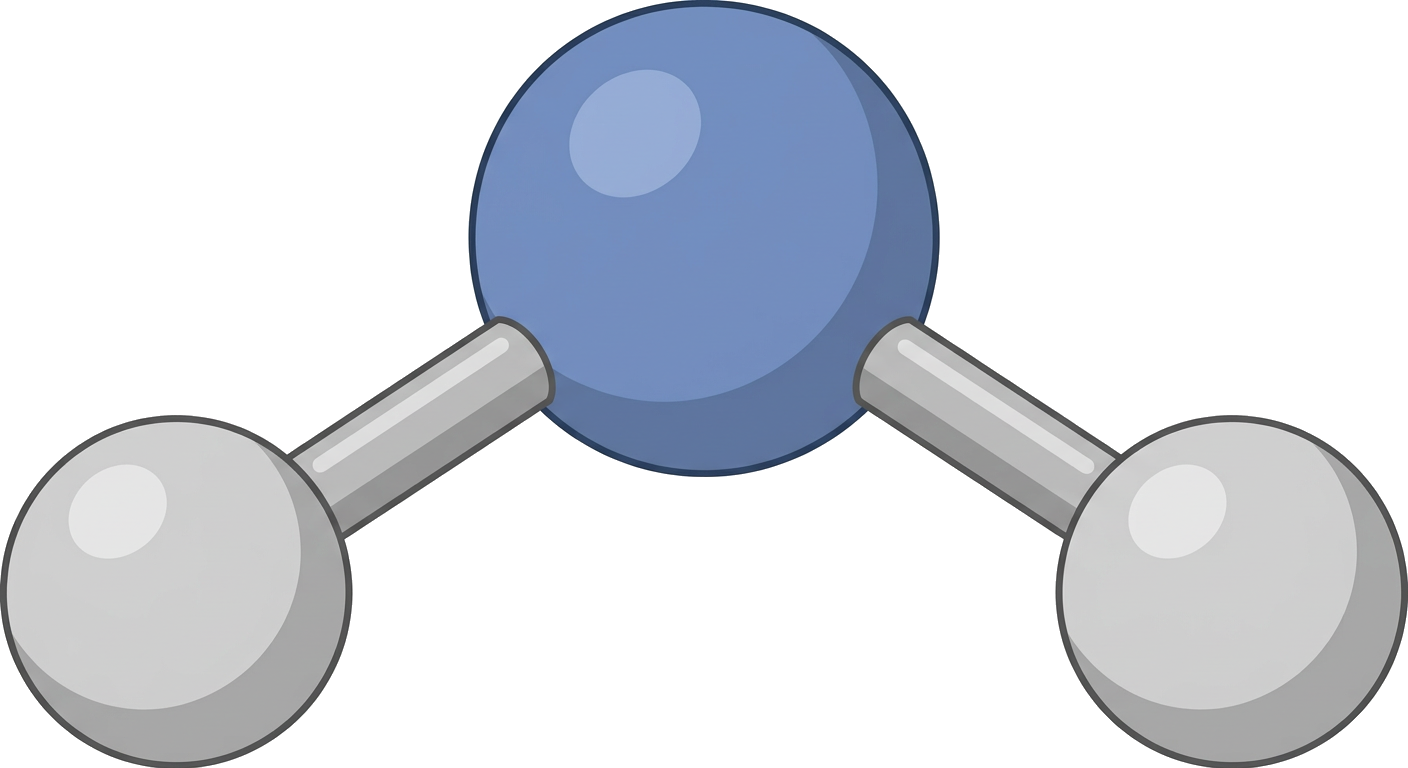
5. Explain why water (H2O) is a polar molecule, despite having two polar O-H bonds. Refer to its molecular geometry in your answer.
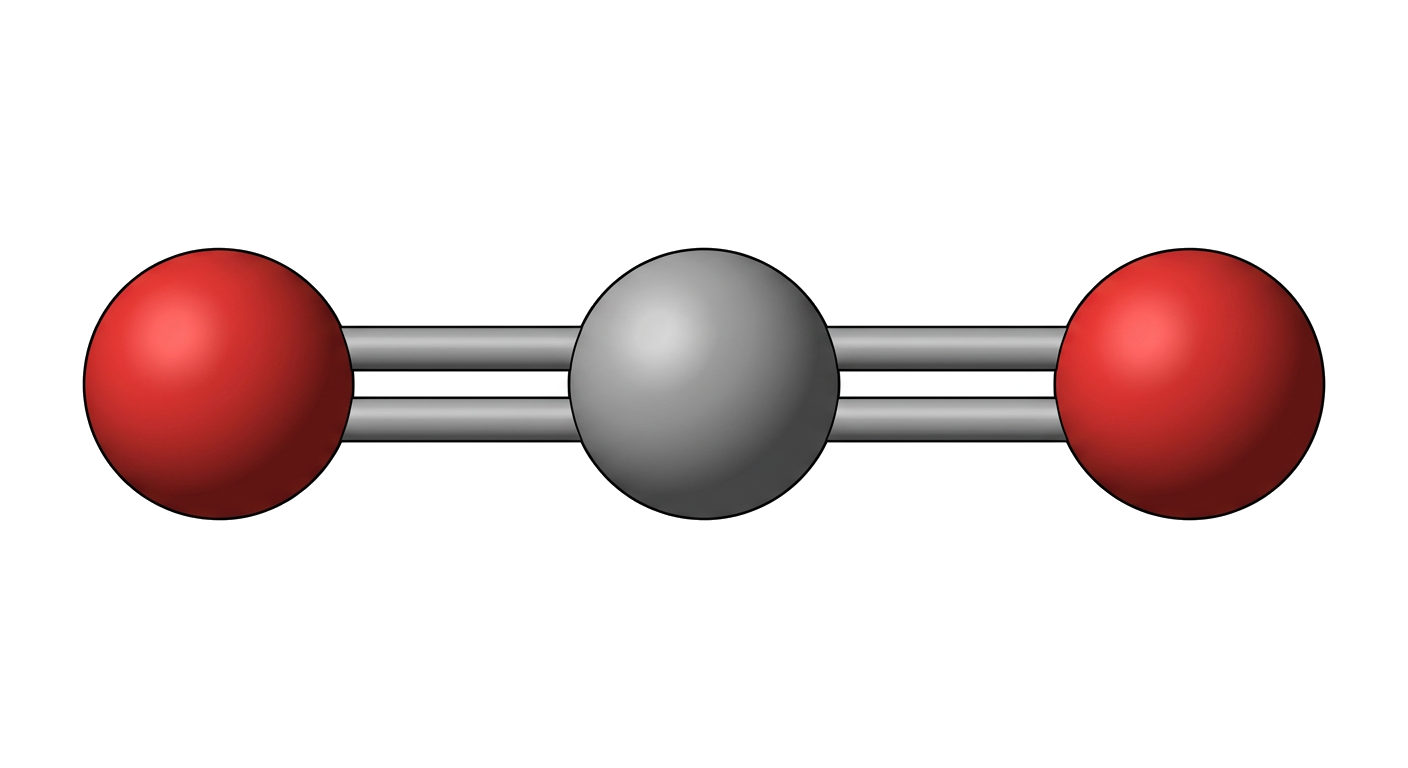
6. Carbon dioxide (CO2) has two polar C=O bonds. Why is the CO2 molecule considered nonpolar?
7. All molecules with polar bonds are polar molecules.
True
False
8. The greater the difference in electronegativity between two atoms, the more polar the bond.
True
False
Match the molecule type with its characteristic.
9. Polar Molecule
a. Symmetrical charge distribution
10. Nonpolar Molecule
b. Uneven charge distribution
Related Worksheets
pH and pOH Calculations Worksheet
A Grade 11 Chemistry worksheet focusing on pH and pOH calculations, including strong acids, bases, and ion concentrations.
Ionic Bonds Worksheet
Explore the fundamentals of ionic bonding, including electron transfer, ion formation, and properties of ionic compounds, suitable for Grade 11 Chemistry students.
Molecular Geometry Worksheet
A Grade 11 Chemistry worksheet focusing on VSEPR theory and molecular shapes, including questions on bond angles and polarity.
Lewis Structure Practice Worksheet
A Grade 11 Chemistry worksheet focusing on drawing and understanding Lewis Structures, including octet rule, formal charge, and resonance.
Molecular Structure Worksheet
A Grade 11 Science worksheet covering key concepts in molecular structure, including VSEPR theory, hybridization, and intermolecular forces.
Calorimetry Principles
This worksheet explores the fundamental principles of calorimetry, including heat transfer, specific heat capacity, and calculations related to calorimetry experiments.
Grade 11 Chemistry: Word Equations
A worksheet for Grade 11 Chemistry students focusing on writing and balancing word equations for chemical reactions.
Types of Chemical Reactions Worksheet
Explore different types of chemical reactions including synthesis, decomposition, single displacement, double displacement, and combustion with this Grade 11 chemistry worksheet.