Understanding Tides
Explore the causes and types of tides, including the influence of the Moon and Sun, and differentiate between spring and neap tides.
Includes
Standards
Topics
Understanding Tides
Name:
Date:
Score:
Read each question carefully and answer to the best of your knowledge. Use complete sentences for short answer questions.
1. What is the primary force responsible for creating tides on Earth?
Earth's rotation
Solar radiation
Gravitational pull of the Moon and Sun
Atmospheric pressure
2. During which moon phases do spring tides occur?
First quarter and third quarter
New Moon and Full Moon
Waxing crescent and waning gibbous
Any moon phase, depending on the season
3. Tides are the periodic rise and fall of sea level, caused by the gravitational pull of the and the .
4. When the Sun, Earth, and Moon are aligned, it results in particularly high high tides and low low tides, known as tides.
5. tides occur when the Sun and Moon are at right angles to each other relative to Earth, resulting in less extreme tidal ranges.
6. Explain why there are typically two high tides and two low tides each day in most locations.
Refer to the image below for question 7.
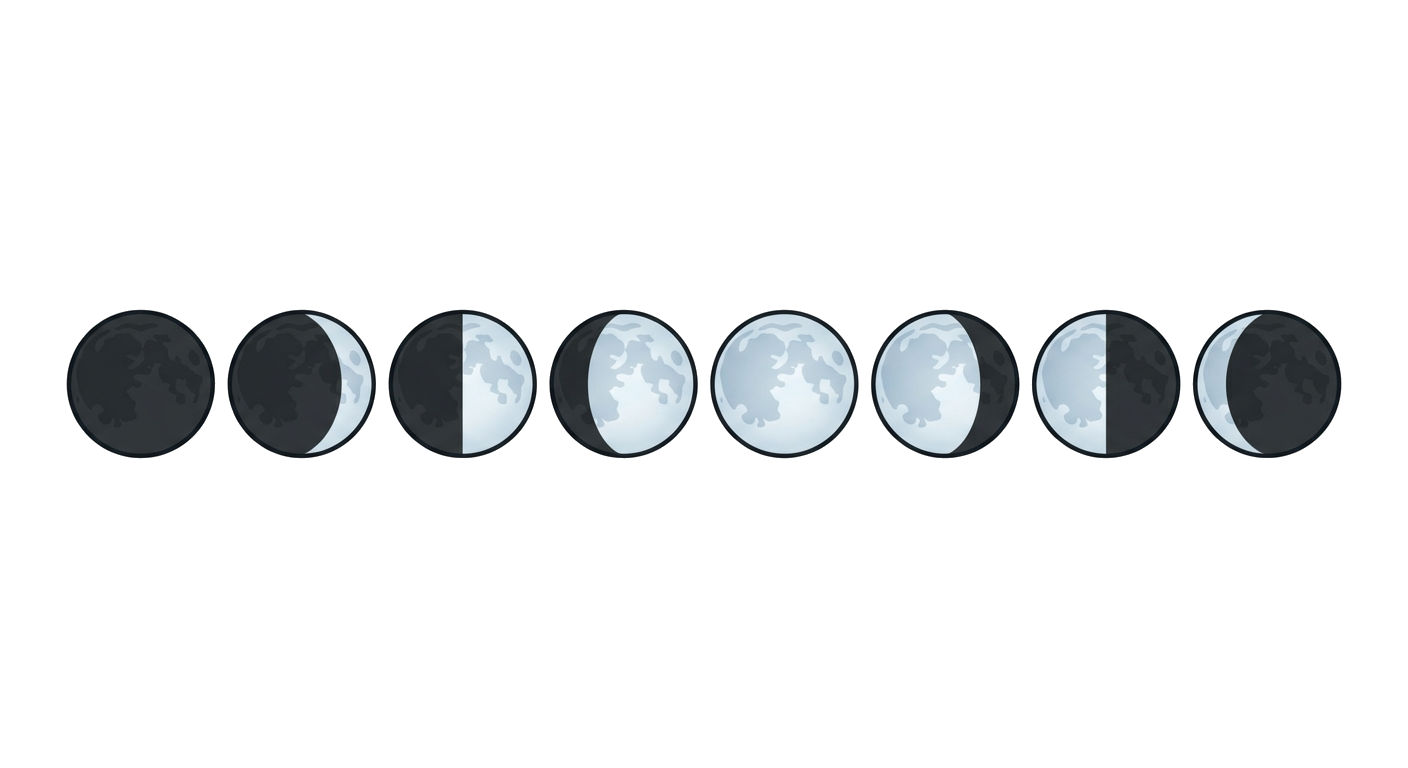
Match each tidal phenomenon with its description.
7. Spring Tide
a. The smallest tidal range, occurring during quarter moons.
8. Neap Tide
b. The largest tidal range, occurring during new and full moons.
9. Tidal Range
c. The difference in height between high tide and low tide.
10. Discuss the combined gravitational effects of the Moon and the Sun on Earth's tides. How do their relative positions determine the strength of spring and neap tides?
Related Worksheets
Convection in the Earth's Mantle
Explore the process of convection within the Earth's mantle and its role in plate tectonics. This worksheet covers key concepts, definitions, and the impact of mantle convection.
Sedimentary Rocks Worksheet
Explore the formation, characteristics, and classification of sedimentary rocks at a Grade 11 level, covering key processes and rock types.
Ocean Layers Exploration
Explore the distinct characteristics and inhabitants of the various layers of the ocean.
Continental Drift Worksheet
Explore the theory of continental drift, Pangea, and evidence supporting plate tectonics with this Grade 11 science worksheet.
Soil Horizons Exploration
This worksheet explores the different layers of soil, known as soil horizons, their characteristics, and their importance in various ecosystems.
Plate Tectonics Worksheet
An 11th-grade science worksheet covering the fundamentals of plate tectonics, including plate boundaries, geological features, and driving forces.
Plate Boundary Exploration
This worksheet explores the different types of plate boundaries, their geological features, and the processes that occur at each boundary. Suitable for Grade 11 Earth & Space Science.
Mass Extinction Events
Explore the causes, effects, and characteristics of major mass extinction events throughout Earth's history.