Understanding Negative Thinking Patterns
This worksheet helps Grade 11 students identify and understand common negative thinking patterns and their impact on well-being, aligning with social-emotional learning standards.
Includes
Standards
Topics
Understanding Negative Thinking Patterns
Name:
Date:
Score:
Read each question carefully and provide thoughtful answers based on your understanding of negative thinking patterns and their impact. Use complete sentences where appropriate.
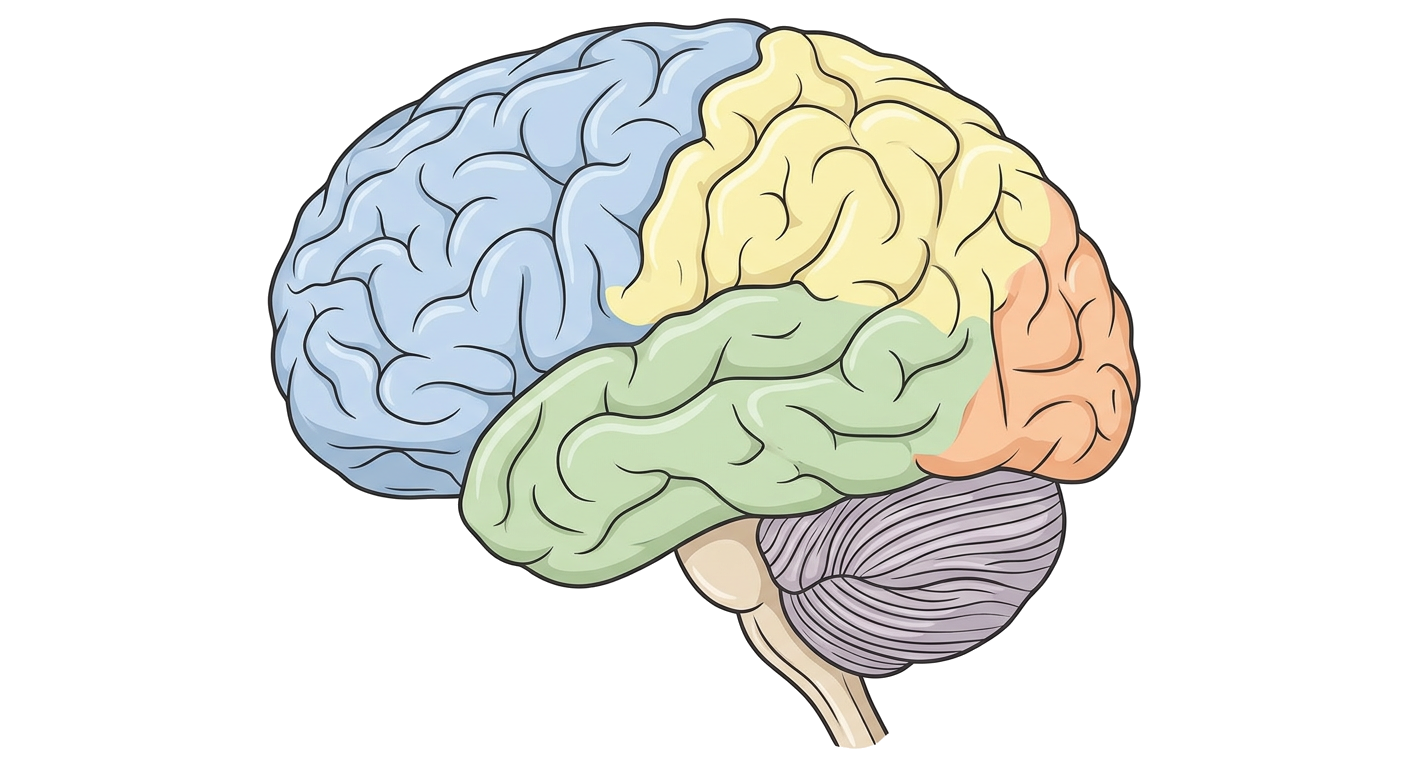
1. Define what is meant by a 'negative thinking pattern' and provide two examples of how it might manifest in a student's daily life.
2. Which of the following cognitive distortions involves attributing negative events to one's own character flaws, even when external factors are largely responsible?
Catastrophizing
Personalization
All-or-nothing thinking
Mind reading
3. Negative thinking patterns can significantly impact an individual's health and overall .
4. When someone engages in 'filtering', they tend to focus exclusively on the aspects of a situation, ignoring any elements.
Match each negative thinking pattern on the left with its description on the right.
5. Overgeneralization
a. Assuming you know what others are thinking negatively about you.
6. Mind Reading
b. Drawing a broad, sweeping conclusion based on a single incident.
7. Emotional Reasoning
c. Believing that what you feel must be true, regardless of evidence.
8. It is impossible to change established negative thinking patterns without professional help.
True
False
9. Describe one effective strategy for challenging and reframing a negative thinking pattern. Provide a specific example of how this strategy could be applied.
10. The brain plays a crucial role in shaping our thoughts. Observe the image of the human brain below. How might different areas of the brain be involved in processing and reinforcing negative thinking patterns?