Reframing Thoughts Worksheet
This worksheet helps 11th-grade students understand and practice cognitive reframing techniques to manage negative thoughts and promote positive thinking.
Includes
Standards
Topics
Reframing Thoughts: A Cognitive Skills Worksheet
Name:
Date:
Score:
This worksheet is designed to help you explore and practice reframing negative thoughts. Read each section carefully and provide thoughtful responses.
Understanding Cognitive Distortions
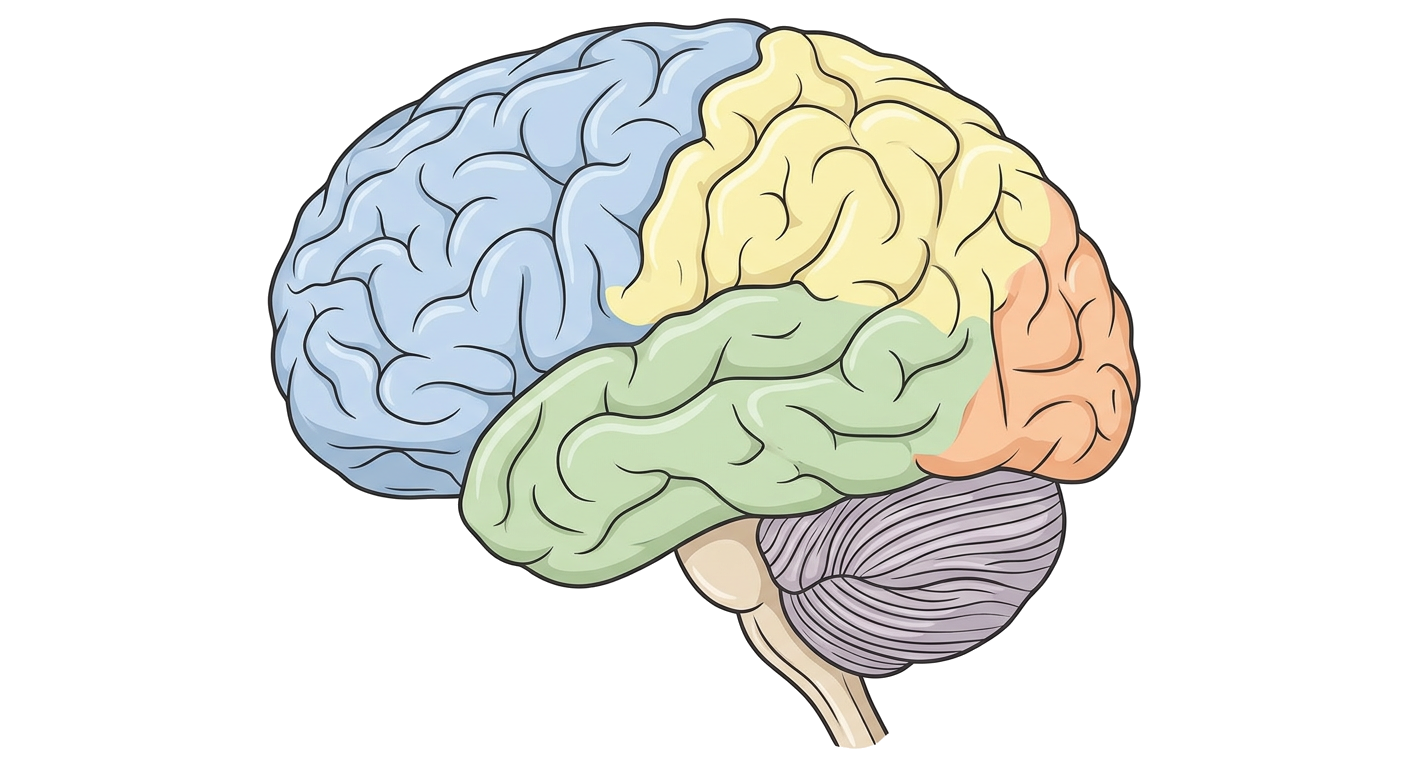
Cognitive distortions are irrational or biased ways of thinking that can lead to negative emotions and behaviors. Identifying these distortions is the first step in reframing thoughts.
1. Which of the following is an example of 'catastrophizing'?
I made a mistake, so I must be a complete failure.
My friend didn't text back immediately, so they must be mad at me.
I got a B on this test; now I'll never get into college.
Since I'm feeling sad today, I assume I'll be sad forever.
2. Fill in the blank: ' ' is a cognitive distortion where you focus only on the negative aspects of a situation, ignoring any positives.
3. 'All-or-nothing thinking' is also known as thinking.
4. It is impossible to change deeply ingrained negative thought patterns.
True
False
5. Describe a situation where you recently experienced a negative thought. Then, reframe that thought into a more positive or realistic perspective.
Negative Thought:
Reframed Thought:
Match each cognitive distortion with its definition.
6. Mental Filter
a. Drawing a negative conclusion without evidence.
7. Jumping to Conclusions
b. Focusing only on the negative and ignoring the positive.
8. Personalization
c. Taking external events personally, even when not responsible.
9. Imagine a friend tells you they're feeling overwhelmed and keep thinking, 'I'm not good enough to handle this.' How would you explain the concept of reframing to them, and what specific advice would you offer to help them reframe that thought?