Thought Restructuring Worksheet
A Grade 11 Social Studies worksheet on thought restructuring, focusing on identifying and challenging cognitive distortions.
Includes
Standards
Topics
Thought Restructuring Worksheet
Name:
Date:
Score:
This worksheet will help you understand and practice thought restructuring, a key component of cognitive behavioral therapy (CBT). Thought restructuring involves identifying negative or unhelpful thought patterns and challenging them with more realistic and positive perspectives. Please answer all questions thoughtfully.
1. Which of the following best describes the primary goal of thought restructuring?
To eliminate all negative emotions.
To identify and challenge unhelpful thought patterns.
To encourage suppressing all thoughts.
To replace all thoughts with positive affirmations.
2. "Catastrophizing" is a cognitive distortion where an individual:
Assumes the worst possible outcome will occur.
Focuses only on the positive aspects of a situation.
Blames others for their own problems.
Minimizes the importance of their achievements.
3. The first step in thought restructuring is to your automatic negative thoughts.
4. Cognitive distortions are often rooted in beliefs about oneself or the world.
5. A common cognitive distortion is "all-or-nothing thinking," where situations are viewed in extreme, terms.
6. Explain the concept of "mind reading" as a cognitive distortion. Provide an example.
7. Describe one technique you can use to challenge a negative thought.
8. Thought restructuring aims to replace all negative thoughts with unrealistic positive thoughts.
True
False
9. A person engaging in "personalization" believes they are solely responsible for negative events, even when they are not.
True
False
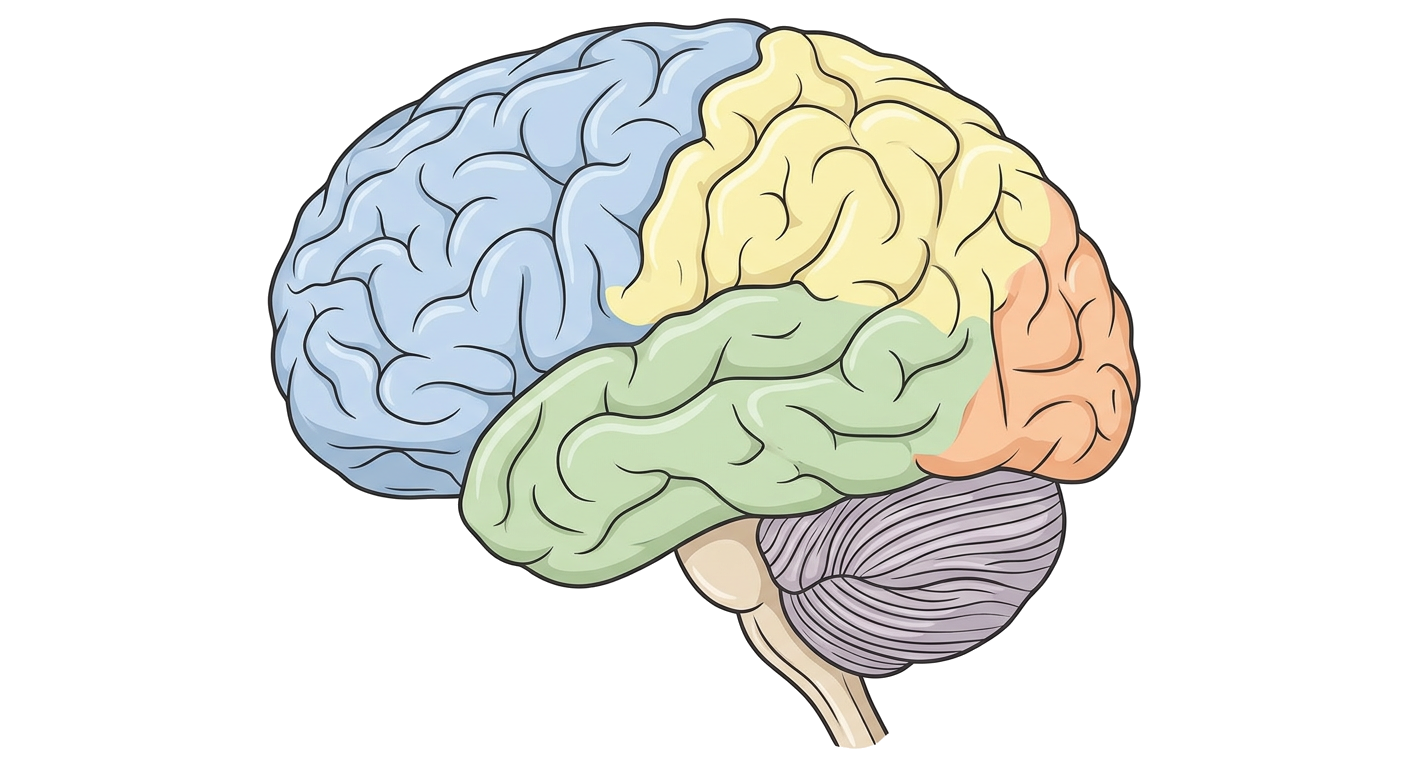
10. Consider the following negative thought: "I always mess up presentations; I'm going to fail this one too." Use the image of the brain to help you visualize the process of challenging this thought.
a. Identify the cognitive distortion present in the thought:
b. What evidence supports this thought?
c. What evidence contradicts this thought?
d. Restructure the thought into a more balanced and realistic statement: