Thought Stopping Techniques Worksheet
This worksheet helps Grade 11 students understand and practice thought-stopping techniques for managing intrusive or negative thoughts.
Includes
Standards
Topics
Thought Stopping Techniques
Name:
Date:
Score:
This worksheet will guide you through understanding and applying thought-stopping techniques to manage intrusive or negative thoughts. Read each section carefully and answer the questions thoughtfully.
What is Thought Stopping?
Thought stopping is a cognitive behavioral therapy technique used to interrupt and redirect unwanted or intrusive thoughts. It involves consciously yelling "STOP!" (either out loud or in your mind) when a negative thought arises, and then immediately replacing it with a more positive or neutral thought or activity. This technique aims to break the cycle of rumination and prevent negative thoughts from spiraling.
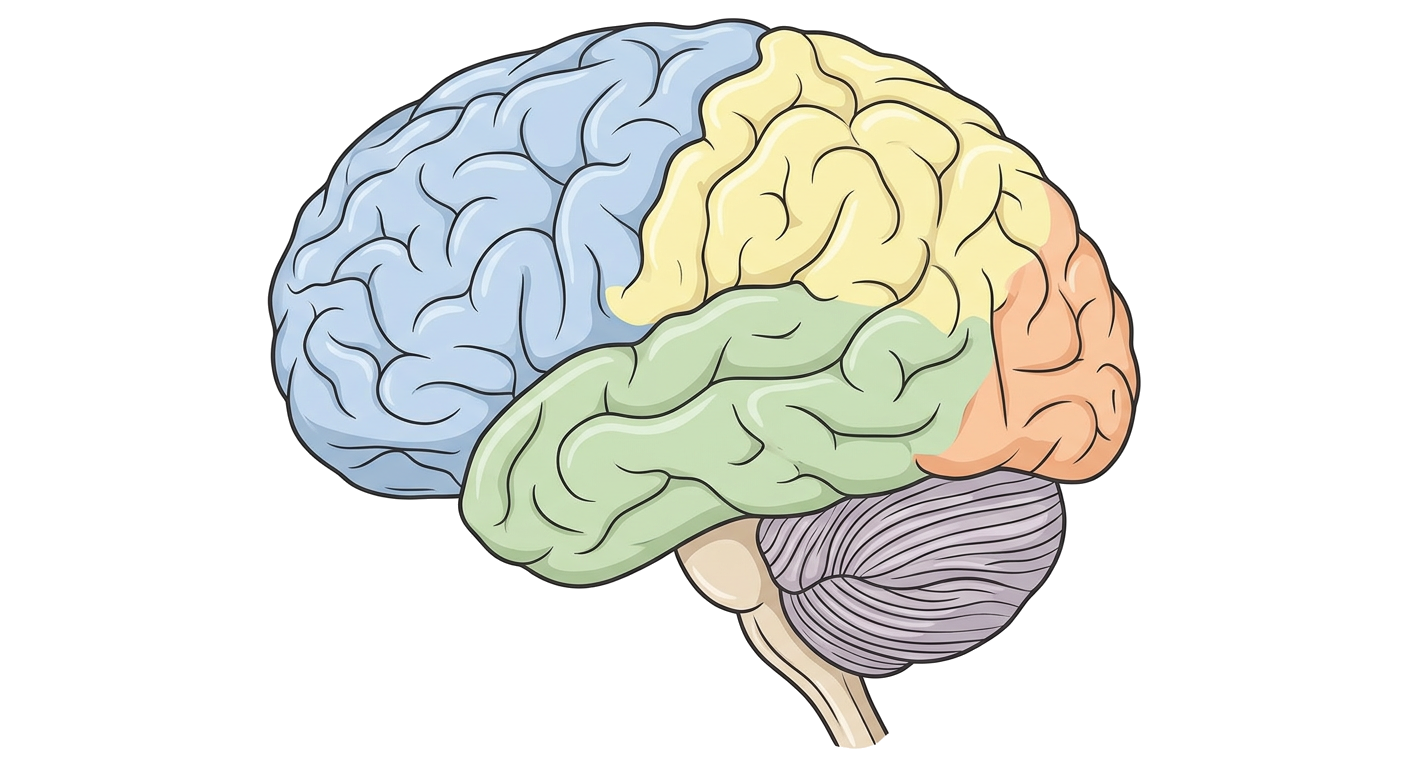
The brain, the center of our thoughts, can sometimes get stuck in negative patterns. Thought stopping helps us regain control.
1. What is the primary goal of thought stopping?
To encourage negative thoughts to fully develop
To interrupt and redirect unwanted thoughts
To analyze the origin of negative thoughts
To suppress all thoughts, positive or negative
2. When is the most effective time to apply the "STOP!" command?
After a negative thought has fully developed and caused distress
As soon as you notice an unwanted thought beginning to form
Only when someone else tells you to stop thinking negatively
During periods of intense relaxation
1. Thought stopping is a technique derived from behavioral therapy.
2. After using the "STOP!" command, it is important to immediately the unwanted thought with a more positive or neutral one.
3. The "STOP!" command can be said either out loud or .
1. Describe a situation where you might find thought-stopping techniques useful.
2. What are two alternative actions you could take immediately after stopping a negative thought?
1. Thought stopping is about ignoring negative thoughts until they disappear on their own.
True
False
2. Consistent practice is key to making thought-stopping an effective coping mechanism.
True
False
Reflect on how thought-stopping could be integrated into your daily routine to improve your mental well-being. Consider potential challenges and how you might overcome them.
For more information on cognitive behavioral therapy and thought-stopping techniques, consult a mental health professional or reputable psychological resources.