LETRS Principles in Practice: Grade 12 ELA
This worksheet explores key principles of LETRS (Language Essentials for Teachers of Reading and Spelling) and their application in advanced ELA contexts for Grade 12 students.
Includes
Standards
Topics
LETRS Principles in Practice: Grade 12 ELA
Name:
Date:
Score:
Read each question carefully and answer to the best of your ability, demonstrating your understanding of LETRS principles in the context of Grade 12 ELA.
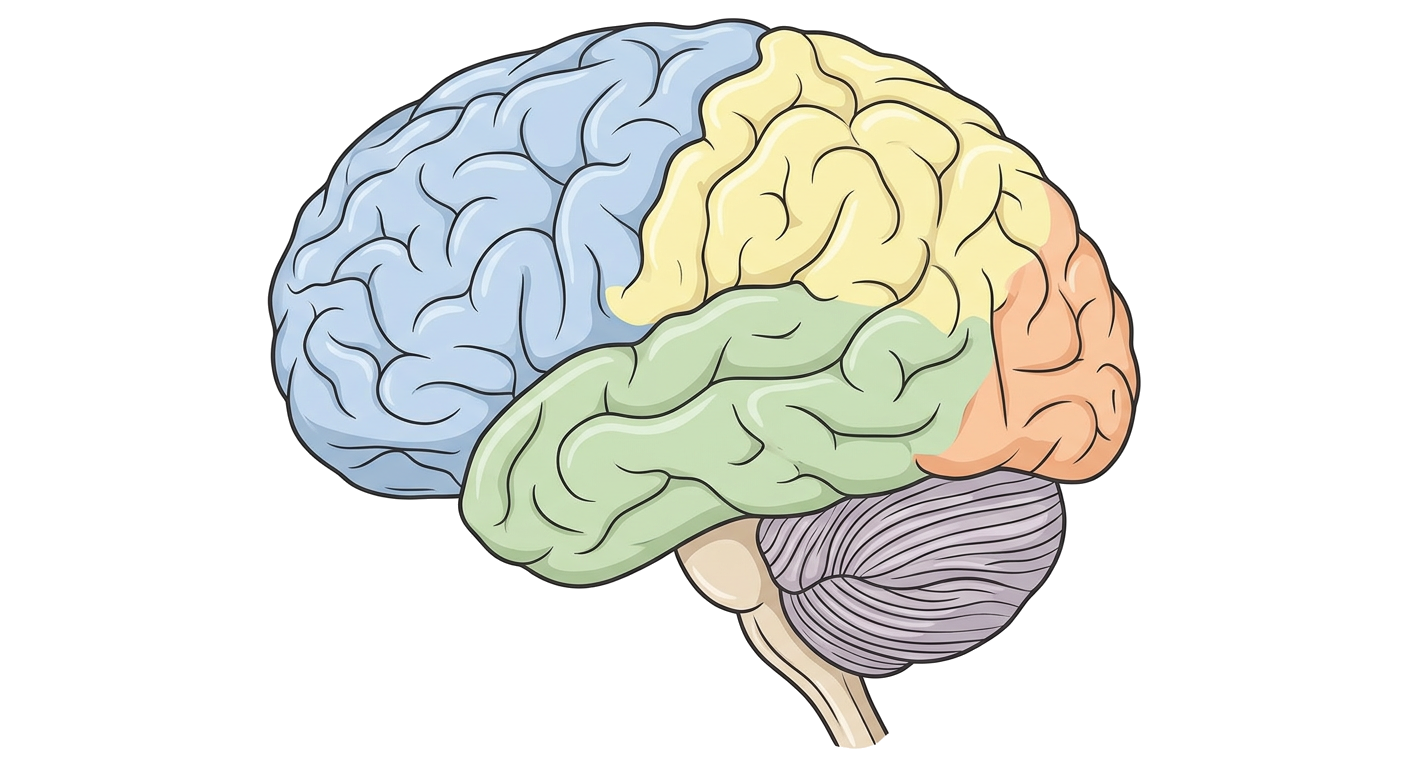
Recent advancements in cognitive neuroscience have significantly deepened our understanding of how the brain learns to read. The 'Science of Reading' refers to the vast body of research from various disciplines—including cognitive psychology, educational psychology, and developmental psychology—that has provided evidence for best practices in reading instruction. This research emphasizes several critical components: phonological awareness, phonics, fluency, vocabulary, and comprehension. For adolescent learners, particularly in Grade 12, while foundational skills are often established, explicit instruction in morphology, etymology, and complex syntax remains crucial for navigating increasingly sophisticated academic texts. The brain's reading network, once thought to be a single region, is now understood as a distributed system involving areas for visual processing, auditory processing, and language comprehension. Effective literacy instruction, guided by the Science of Reading, aims to strengthen these neural pathways, enabling students to become proficient and strategic readers.
1. According to the passage, which of the following is NOT explicitly listed as a critical component emphasized by the 'Science of Reading' for all learners?
Phonological awareness
Phonics
Grammar rules
Fluency
2. For adolescent learners, explicit instruction in , etymology, and complex syntax is crucial for navigating sophisticated academic texts.
3. The brain's reading network is understood as a system involving areas for visual processing, auditory processing, and language comprehension.
4. The 'Science of Reading' refers exclusively to research from cognitive psychology.
True
False
5. Explain how the understanding of the brain's reading network has evolved according to the provided passage and why this is significant for literacy instruction.