Grade 12 Biology: Heart Rate
This worksheet explores the physiological mechanisms regulating heart rate, factors influencing it, and methods of measurement for Grade 12 Biology students.
Includes
Standards
Topics
Grade 12 Biology: Heart Rate
Name:
Date:
Score:
Read each question carefully and provide detailed answers. Use diagrams where appropriate to support your explanations.
1. Which part of the brain is primarily responsible for regulating heart rate?
Cerebellum
Medulla Oblongata
Hypothalamus
Cerebrum
2. Which hormone is released during stress and increases heart rate?
Insulin
Thyroxine
Adrenaline (Epinephrine)
Estrogen
1. The pacemaker of the heart is the node.
2. Parasympathetic stimulation of the heart is mediated by the nerve, which releases .
3. A normal resting heart rate for adults typically ranges from to beats per minute.
1. Briefly explain the difference between tachycardia and bradycardia.
2. Describe one method used to measure heart rate, and explain its principle.
Examine the diagram of the human heart below, then answer the following questions.
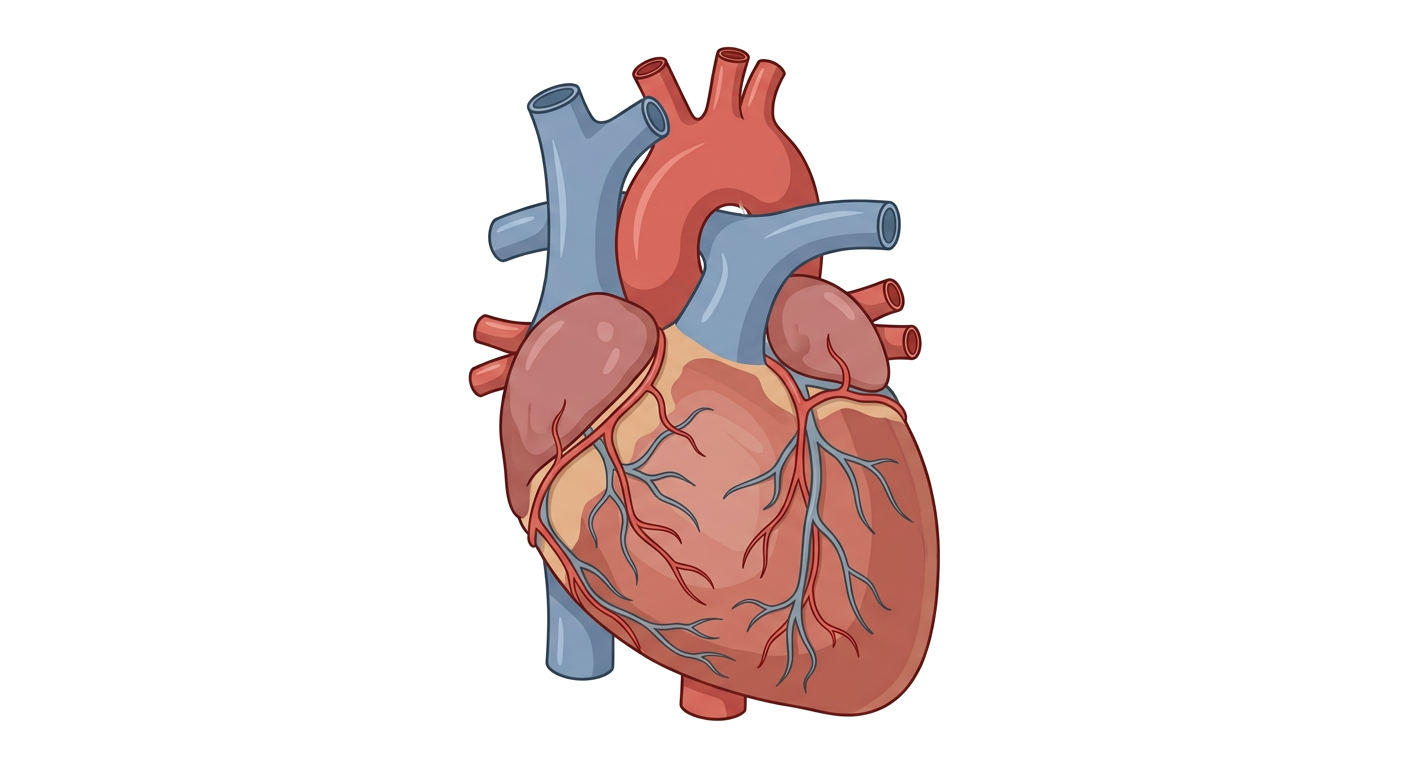
1. Identify two major blood vessels that carry deoxygenated blood to the heart.
2. Explain how the structure of the heart chambers and valves contributes to unidirectional blood flow.
1. An increase in body temperature generally leads to a decrease in heart rate.
True
False
2. Athletes often have a lower resting heart rate due to a more efficient cardiovascular system.
True
False
Discuss the primary intrinsic and extrinsic factors that regulate heart rate. Include a detailed explanation of the role of the autonomic nervous system and hormones.
Related Worksheets
Grade 12 Biology: Dissection Fundamentals
This worksheet covers essential concepts and practices in biological dissection, including safety, tool identification, and ethical considerations for Grade 12 Biology students.
Grade 12 Biology: The Integumentary System
This worksheet covers the structure, function, and common conditions of the human integumentary system for Grade 12 Biology students.
Grade 12 Non-Mendelian Inheritance Worksheet
Explore advanced concepts in genetics beyond simple Mendelian patterns, including incomplete dominance, codominance, multiple alleles, and polygenic inheritance.