Grade 12 Chemistry: Forming Ions
A worksheet covering the fundamental principles of ion formation, including electron configuration, octet rule, and the properties of cations and anions.
Includes
Standards
Topics
Grade 12 Chemistry: Forming Ions
Name:
Date:
Score:
Read each question carefully and provide your answer in the space provided. Show all work for calculations.
1. An atom becomes a positive ion, called a , by electrons.
2. A negative ion is called an , and it is formed when an atom electrons.
3. The rule states that atoms tend to gain, lose, or share electrons in order to achieve a full outer electron shell, typically with eight electrons.
1. Which of the following elements is most likely to form a cation?
Chlorine (Cl)
Oxygen (O)
Sodium (Na)
Neon (Ne)
2. An atom of sulfur (S) has 6 valence electrons. What ion is it most likely to form?
S²⁺
S²⁻
S⁶⁺
S⁶⁻
1. Explain why atoms form ions.
2. Describe the difference in electron configuration between a neutral atom and its corresponding ion.
1. Metals tend to gain electrons to form anions.
True
False
2. Noble gases readily form ions because they have unstable electron configurations.
True
False
Analyze the provided diagram of an atom and answer the questions below.
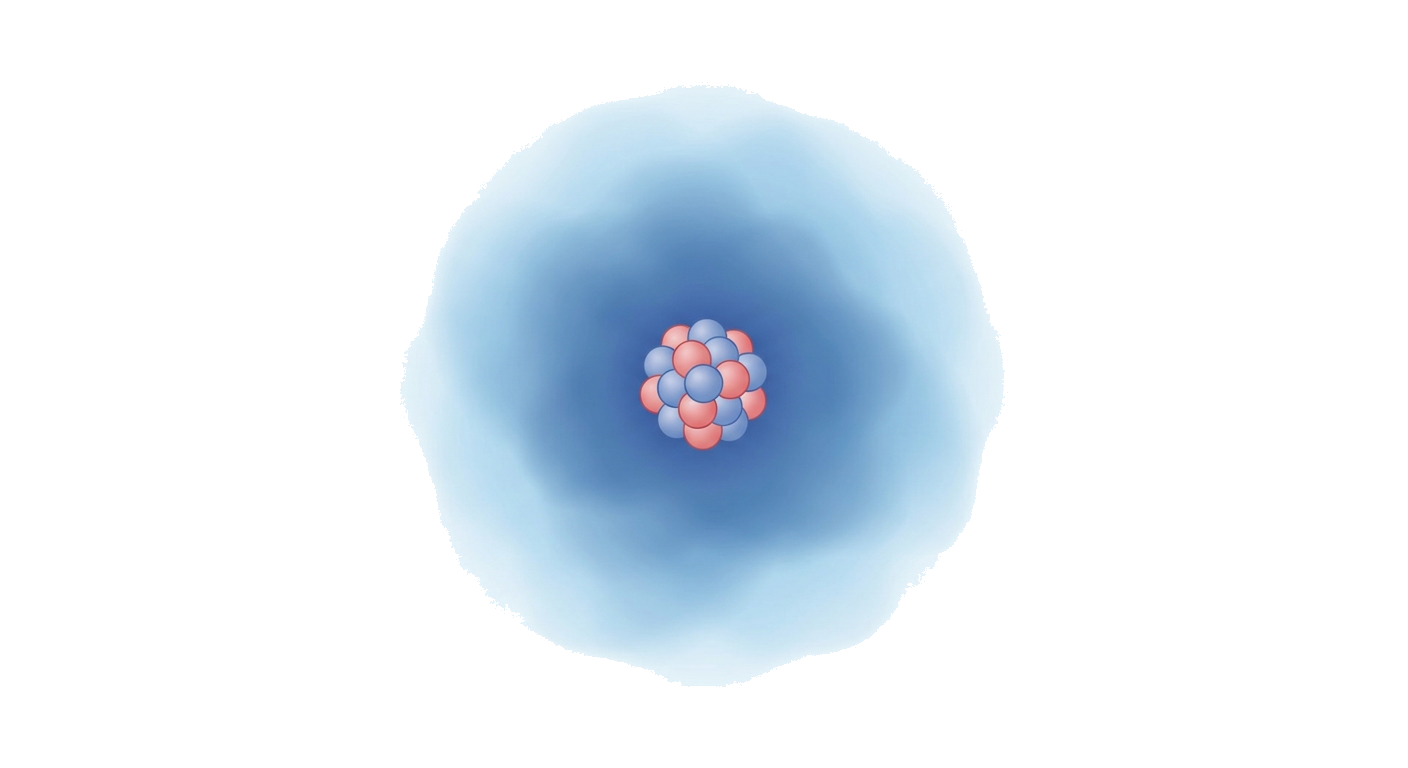
1. Based on the diagram, if this atom were to lose one electron, would it become a cation or an anion? Explain your reasoning.
Related Worksheets
Physical and Chemical Properties and Changes
Explore the fundamental concepts of physical and chemical properties and changes through various exercises for Grade 12 Chemistry.
Grade 12 Chemistry: Types of Reactions
A worksheet covering various types of chemical reactions for Grade 12 Chemistry students, including synthesis, decomposition, single displacement, double displacement, combustion, and redox reactions.