History of Atomic Models
Explore the evolution of atomic theory from early philosophical ideas to modern quantum mechanical models with this comprehensive worksheet.
Includes
Standards
Topics
History of Atomic Models
Name:
Date:
Score:
Read each question carefully and provide your best answer. This worksheet covers the historical development of atomic models.
1. Which scientist proposed the 'plum pudding' model of the atom, suggesting a sphere of positive charge with electrons embedded within it?
John Dalton
J.J. Thomson
Ernest Rutherford
Niels Bohr
2. The Rutherford gold foil experiment led to the discovery of the:
Electron
Neutron
Atomic nucleus
Proton
3. Dalton's atomic theory stated that all atoms of a given element are in mass and properties.
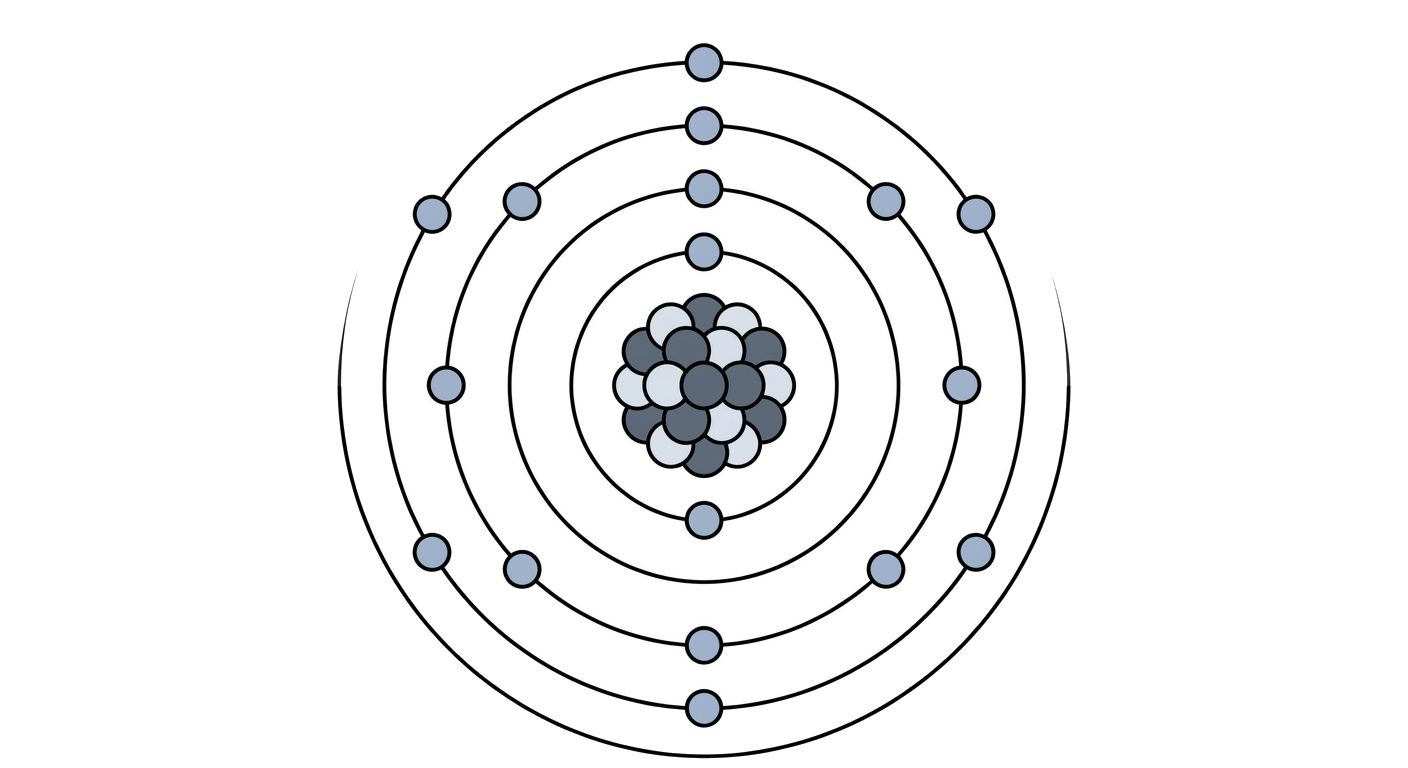
4. The Bohr model proposed that electrons orbit the nucleus in specific energy levels or .
5. The quantum mechanical model describes the probability of finding an electron in a certain region of space called an .
6. Briefly explain the main difference between the Rutherford model and the Bohr model of the atom.
7. Democritus was the first to propose the idea of indivisible particles called 'atomos'.
True
False
8. The 'Bohr Model' is still considered the most accurate representation of an atom's structure today.
True
False
Match the scientist with their primary contribution to atomic theory.
9. John Dalton
a. Discovered the electron
10. J.J. Thomson
b. Proposed the planetary model with orbits
11. Ernest Rutherford
c. Formulated the first modern atomic theory
12. Niels Bohr
d. Discovered the atomic nucleus
13. Describe the key experiments and observations that led to the development of the Bohr model of the atom. Include a discussion of its successes and limitations.
Related Worksheets
Physical and Chemical Properties and Changes
Explore the fundamental concepts of physical and chemical properties and changes through various exercises for Grade 12 Chemistry.
Grade 12 Chemistry: Types of Reactions
A worksheet covering various types of chemical reactions for Grade 12 Chemistry students, including synthesis, decomposition, single displacement, double displacement, combustion, and redox reactions.