Ionic and Covalent Compounds Worksheet
Explore the fundamental differences and characteristics of ionic and covalent compounds through various question types.
Includes
Standards
Ionic and Covalent Compounds
Name:
Date:
Score:
Read each question carefully and provide your best answer. This worksheet assesses your understanding of ionic and covalent compounds.
1. Which of the following best describes an ionic bond?
Sharing of electrons between two nonmetals
Transfer of electrons from a metal to a nonmetal
Attraction between two positively charged ions
Formation of a metallic lattice structure
2. Which of the following compounds is most likely to be covalent?
NaCl
H2O
MgO
CaCl2
1. Ionic compounds generally have lower melting points than covalent compounds.
True
False
2. Covalent compounds conduct electricity well when dissolved in water.
True
False
1. In an ionic bond, electrons are from one atom to another.
2. The electrostatic attraction between oppositely charged ions is called an bond.
3. Covalent bonds form between two atoms.
1. Explain why ionic compounds typically have high melting and boiling points.
2. Describe the difference in electron behavior during the formation of an ionic bond versus a covalent bond.
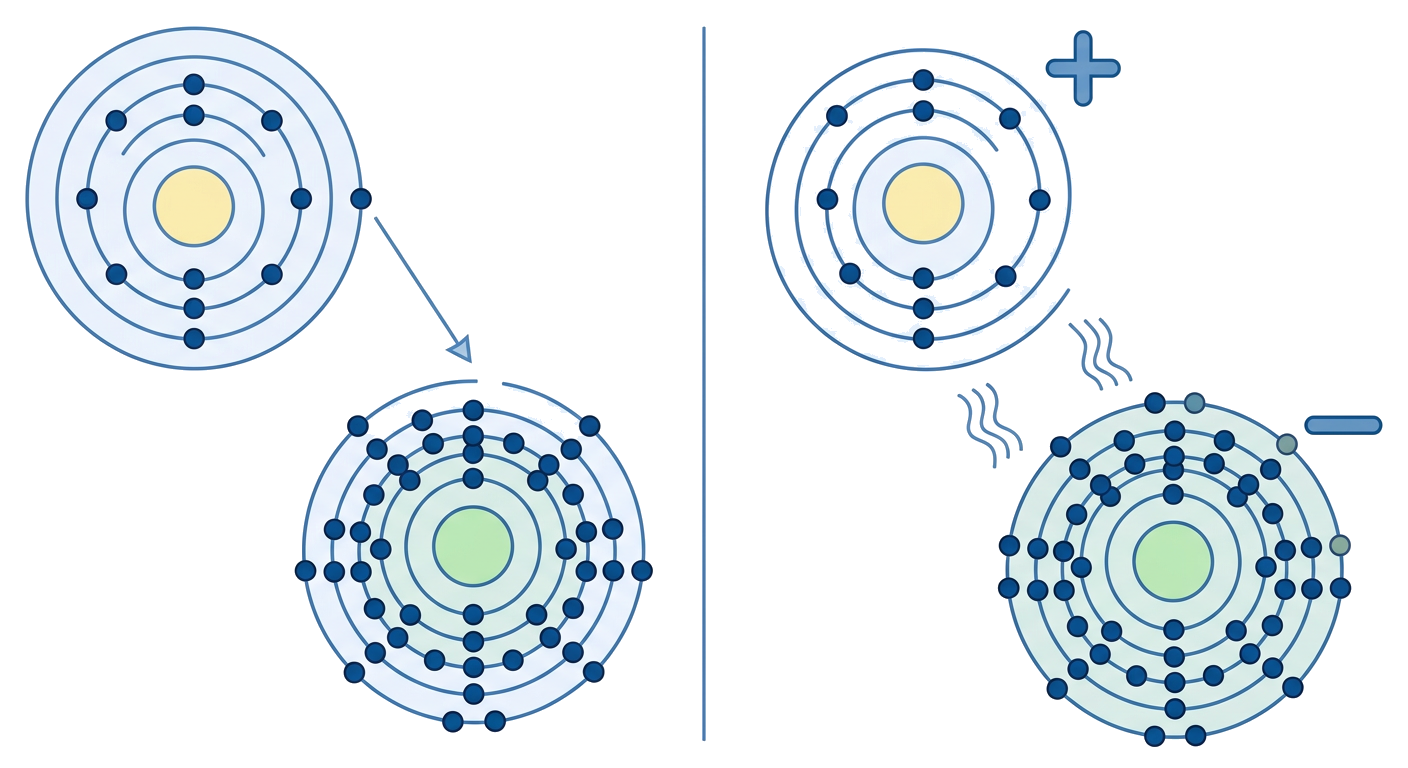
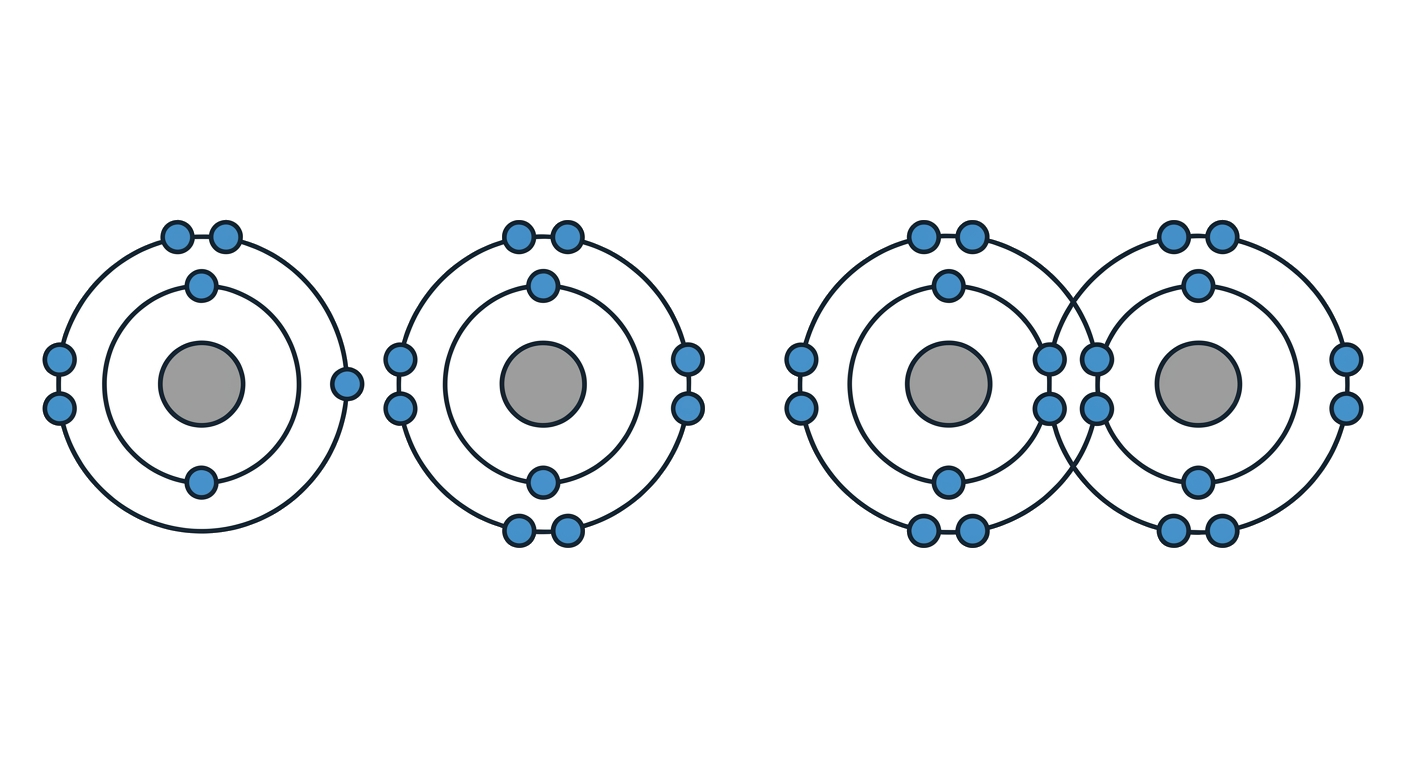
Match each characteristic with the type of bond it describes.
1. High melting point
a. Ionic Bond
2. Formed between nonmetals
b. Covalent Bond
3. Conducts electricity in solution
c. Both
4. Involves electron sharing
d. Neither
Related Worksheets
Physical and Chemical Properties and Changes
Explore the fundamental concepts of physical and chemical properties and changes through various exercises for Grade 12 Chemistry.
Grade 12 Chemistry: Types of Reactions
A worksheet covering various types of chemical reactions for Grade 12 Chemistry students, including synthesis, decomposition, single displacement, double displacement, combustion, and redox reactions.