Limiting Reagent Analysis
A Grade 12 chemistry worksheet focusing on understanding and calculating limiting reagents in chemical reactions.
Includes
Standards
Topics
Limiting Reagent Analysis
Name:
Date:
Score:
Read each question carefully and provide detailed answers. Show all your work for calculations.
1. The is the reactant that is completely consumed in a chemical reaction, thereby limiting the amount of product formed.
2. The reactant that is not completely used up in a chemical reaction is called the .
3. The maximum amount of product that can be formed from a given amount of reactants is known as the .
1. Explain why identifying the limiting reagent is crucial in industrial chemical processes.
2. Consider the reaction: 2H₂ (g) + O₂ (g) → 2H₂O (l). If you have 10 molecules of H₂ and 10 molecules of O₂, identify the limiting reagent and explain your reasoning.
1. Which of the following statements about limiting reagents is true?
The limiting reagent is always the reactant with the smallest initial mass.
The limiting reagent determines the theoretical yield of the product.
The excess reagent is completely consumed in the reaction.
The limiting reagent is always the reactant with the smallest coefficient in the balanced equation.
1. For the reaction: 2Na (s) + Cl₂ (g) → 2NaCl (s)
If 46.0 g of sodium (Na) reacts with 71.0 g of chlorine (Cl₂):
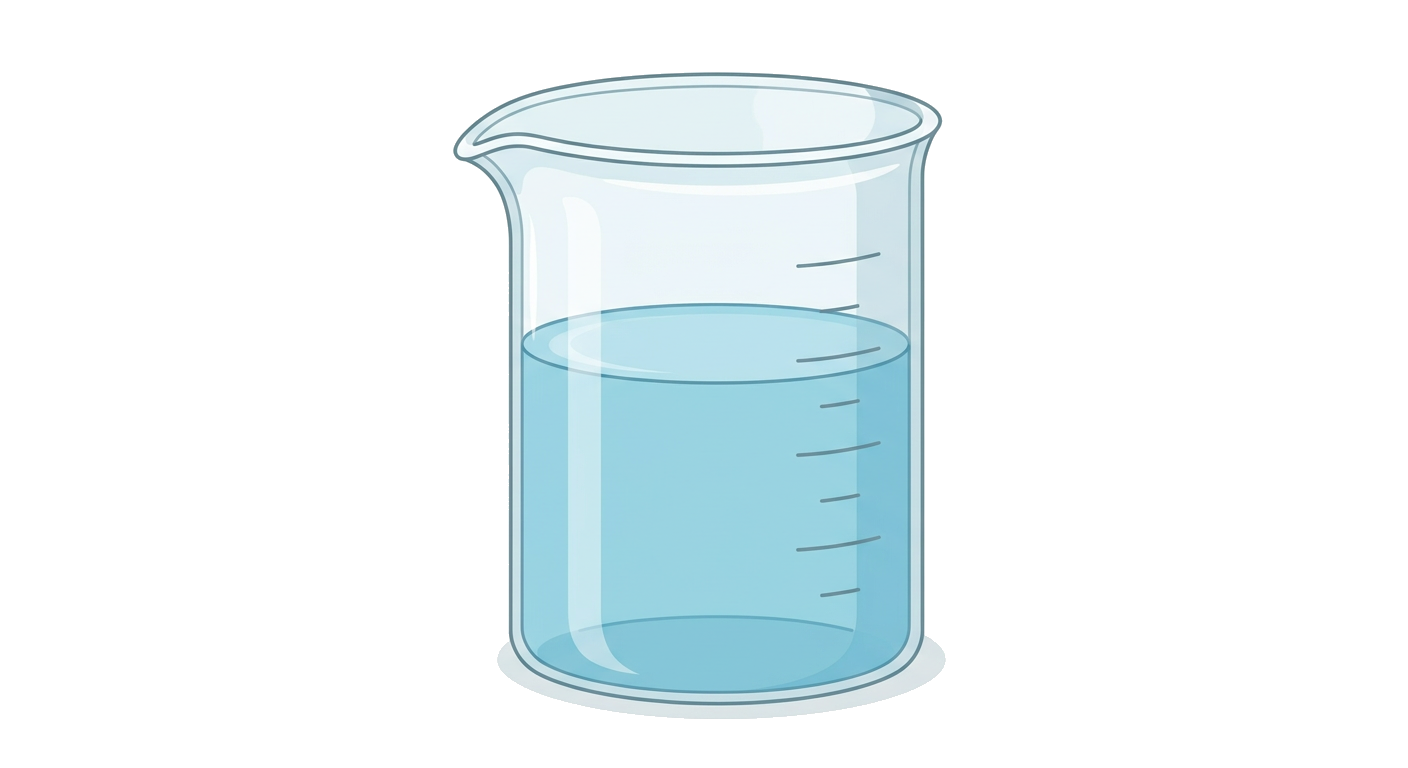
a) Identify the limiting reagent.
b) Calculate the theoretical yield of sodium chloride (NaCl) in grams.
c) Calculate the mass of the excess reagent remaining after the reaction.
Related Worksheets
Physical and Chemical Properties and Changes
Explore the fundamental concepts of physical and chemical properties and changes through various exercises for Grade 12 Chemistry.
Grade 12 Chemistry: Types of Reactions
A worksheet covering various types of chemical reactions for Grade 12 Chemistry students, including synthesis, decomposition, single displacement, double displacement, combustion, and redox reactions.