Ionic and Covalent Bonding Nomenclature
Grade 12 Chemistry worksheet on naming ionic and covalent compounds, covering rules, prefixes, and common exceptions.
Includes
Standards
Topics
Ionic and Covalent Bonding Nomenclature
Name:
Date:
Score:
Read each question carefully and provide the best answer. Remember to apply the rules for naming ionic and covalent compounds.
1. Which of the following compounds is named 'dinitrogen tetroxide'?
N₂O
NO₂
N₂O₄
N₄O₂
2. What is the correct name for the ionic compound formed between Calcium and Chlorine?
Calcium chloride
Calcium dichloride
Chlorine calcide
Calcium chlorate
3. The chemical formula for potassium iodide is .
4. The name for the compound PCl₃ is .
5. Ionic compounds are formed between a and a .
6. Explain why Roman numerals are sometimes used when naming ionic compounds.
7. Name the following covalent compounds:
a. CO:
b. CCl₄:
c. N₂O₅:
Match each compound with its correct name.
8. Fe₂O₃
a. Sulfur trioxide
9. SO₃
b. Iron(III) oxide
10. CuSO₄
c. Copper(II) sulfate
11. HCl
d. Hydrogen chloride
12. In naming covalent compounds, prefixes are used to indicate the number of each type of atom.
True
False
13. The compound 'sodium oxide' has the formula NaO.
True
False
Use the diagrams below to answer the following questions.
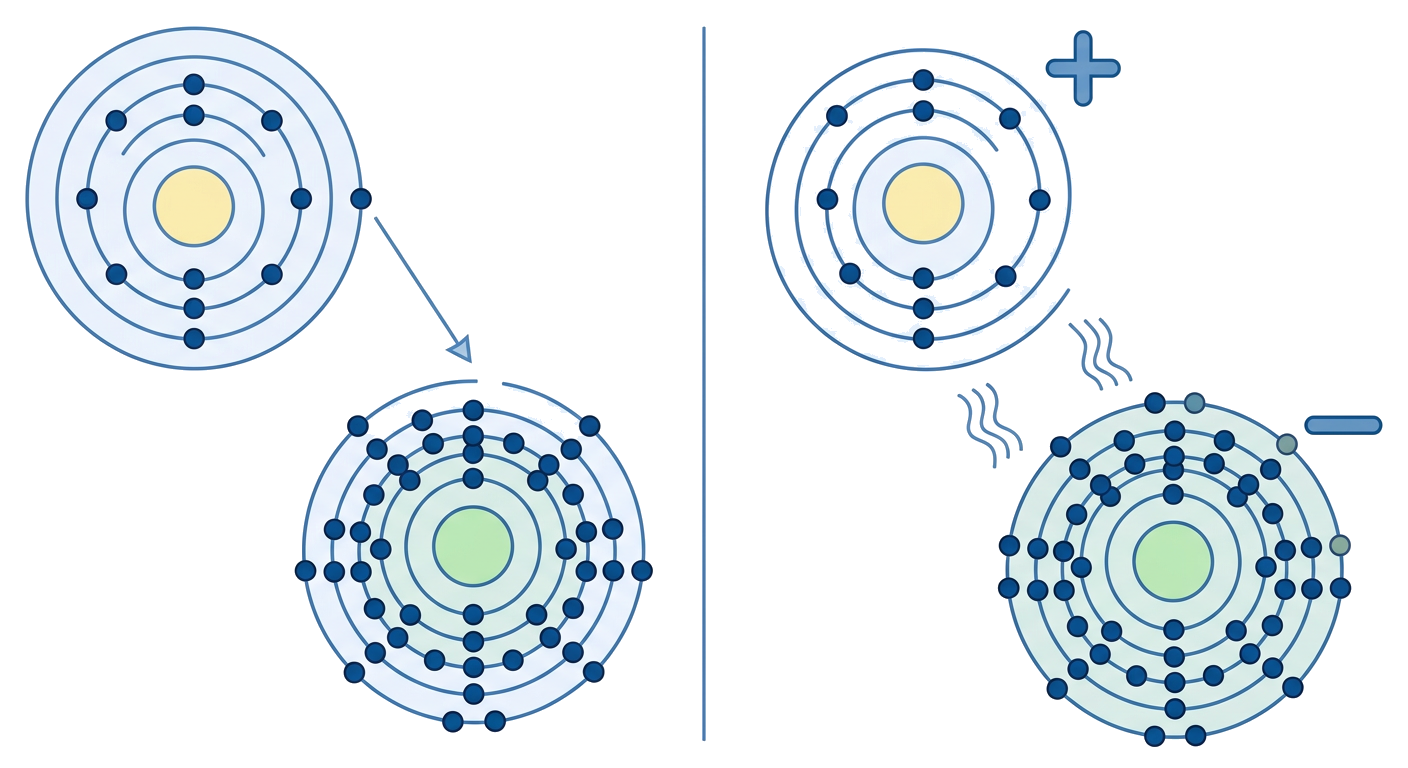
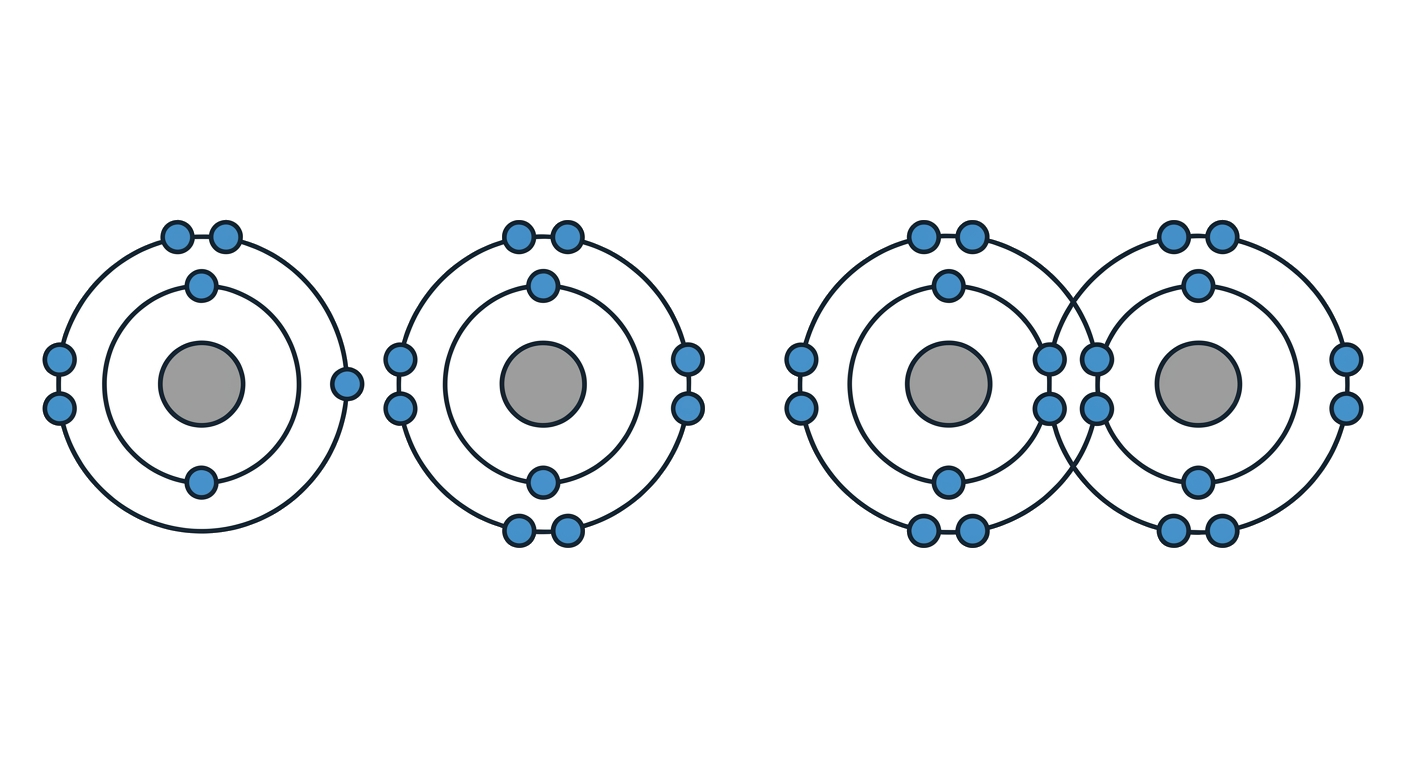
14. Briefly describe the key difference in electron behavior between the two types of bonds shown above.
Related Worksheets
Physical and Chemical Properties and Changes
Explore the fundamental concepts of physical and chemical properties and changes through various exercises for Grade 12 Chemistry.
Grade 12 Chemistry: Types of Reactions
A worksheet covering various types of chemical reactions for Grade 12 Chemistry students, including synthesis, decomposition, single displacement, double displacement, combustion, and redox reactions.