Periodic Table Trends Worksheet
Explore and understand key periodic table trends including electronegativity, ionization energy, atomic radius, and metallic character.
Includes
Standards
Periodic Table Trends
Name:
Date:
Score:
Read each question carefully and answer to the best of your ability. Refer to your knowledge of periodic table trends.
1. Which of the following elements has the highest electronegativity?
Lithium (Li)
Fluorine (F)
Oxygen (O)
Carbon (C)
2. As you move down a group in the periodic table, what generally happens to the atomic radius?
It decreases
It increases
It remains constant
It fluctuates unpredictably
3. The energy required to remove an electron from a gaseous atom is called the .
4. Elements with high ionization energies typically have metallic character.
5. Electronegativity generally decreases from left to right across a period.
True
False
6. Nonmetals tend to have smaller atomic radii than metals in the same period.
True
False
7. Explain why ionization energy generally increases across a period.
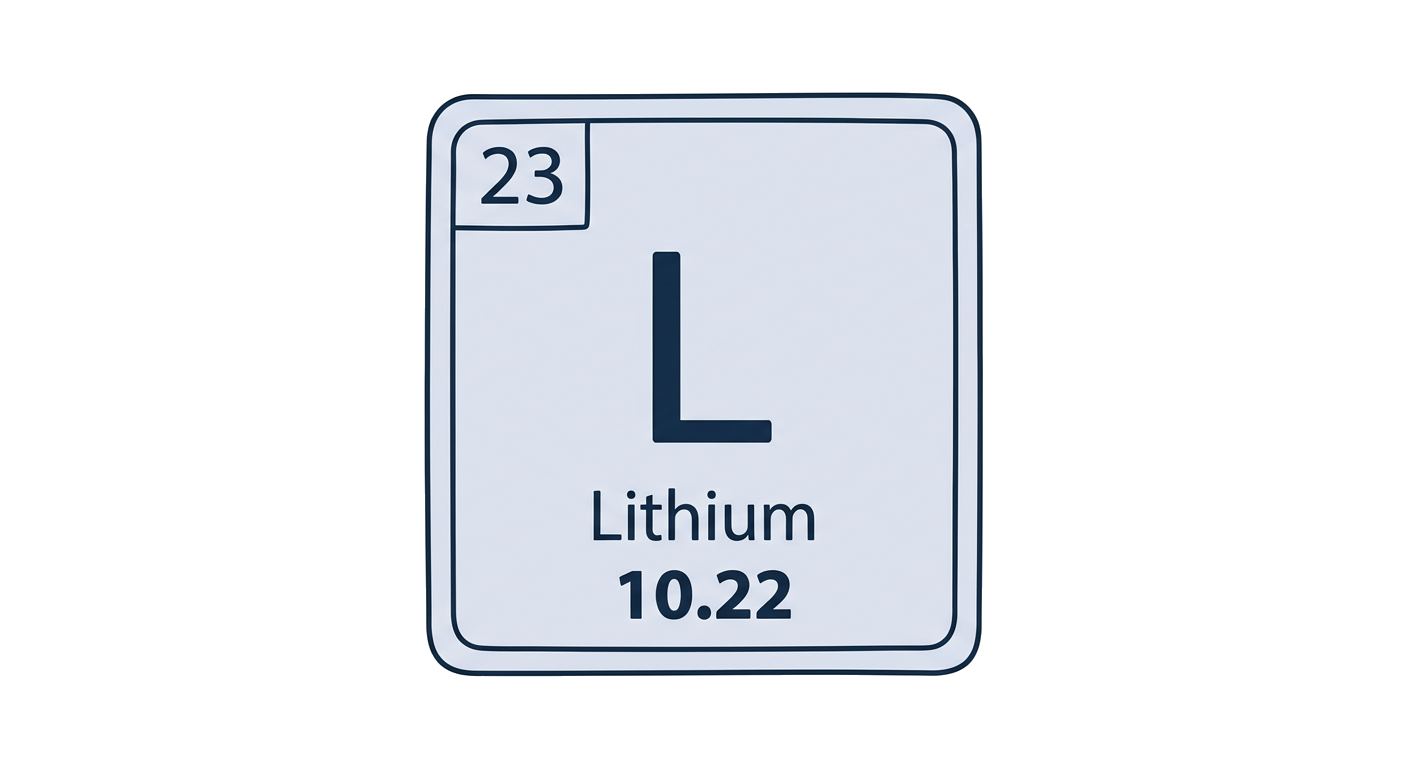
8. Observe the periodic table element box below. How do the trends in atomic radius, ionization energy, and electronegativity relate to the position of an element on the periodic table?
Related Worksheets
Physical and Chemical Properties and Changes
Explore the fundamental concepts of physical and chemical properties and changes through various exercises for Grade 12 Chemistry.
Grade 12 Chemistry: Types of Reactions
A worksheet covering various types of chemical reactions for Grade 12 Chemistry students, including synthesis, decomposition, single displacement, double displacement, combustion, and redox reactions.