Energy Resources Deep Dive
This worksheet explores various energy resources, their types, advantages, disadvantages, and real-world applications, suitable for Grade 12 Earth & Space Science students.
Includes
Standards
Topics
Energy Resources Deep Dive
Name:
Date:
Score:
Read each question carefully and answer to the best of your knowledge. This worksheet covers various aspects of energy resources, including their classification, environmental impacts, and future implications. Good luck!
1. Which of the following is a primary characteristic distinguishing renewable from non-renewable energy resources?
Renewable resources are always cheaper to produce.
Non-renewable resources can be replenished on a human timescale.
Renewable resources are naturally replenished or virtually inexhaustible.
Non-renewable resources have no environmental impact.
2. What is the primary environmental concern associated with the burning of fossil fuels?
Ozone layer depletion
Increased biodiversity
Release of greenhouse gases contributing to climate change
Decreased ocean acidification
3. The process of converting sunlight directly into electricity using photovoltaic cells is called .
4. Nuclear power plants generate electricity through nuclear , a process that releases a large amount of energy.
5. Geothermal energy harnesses heat from the Earth's .
Match each energy resource with its common application or characteristic.
6. Hydropower
a. Used for heating homes and generating electricity from Earth's internal heat
7. Wind Energy
b. Utilizes the kinetic energy of moving air to turn turbines
8. Geothermal Energy
c. Generates electricity by using the force of flowing water
9. Discuss two significant environmental impacts of extracting and utilizing petroleum.
10. Explain the concept of an 'energy pyramid' in an ecosystem and its relevance to energy transfer.
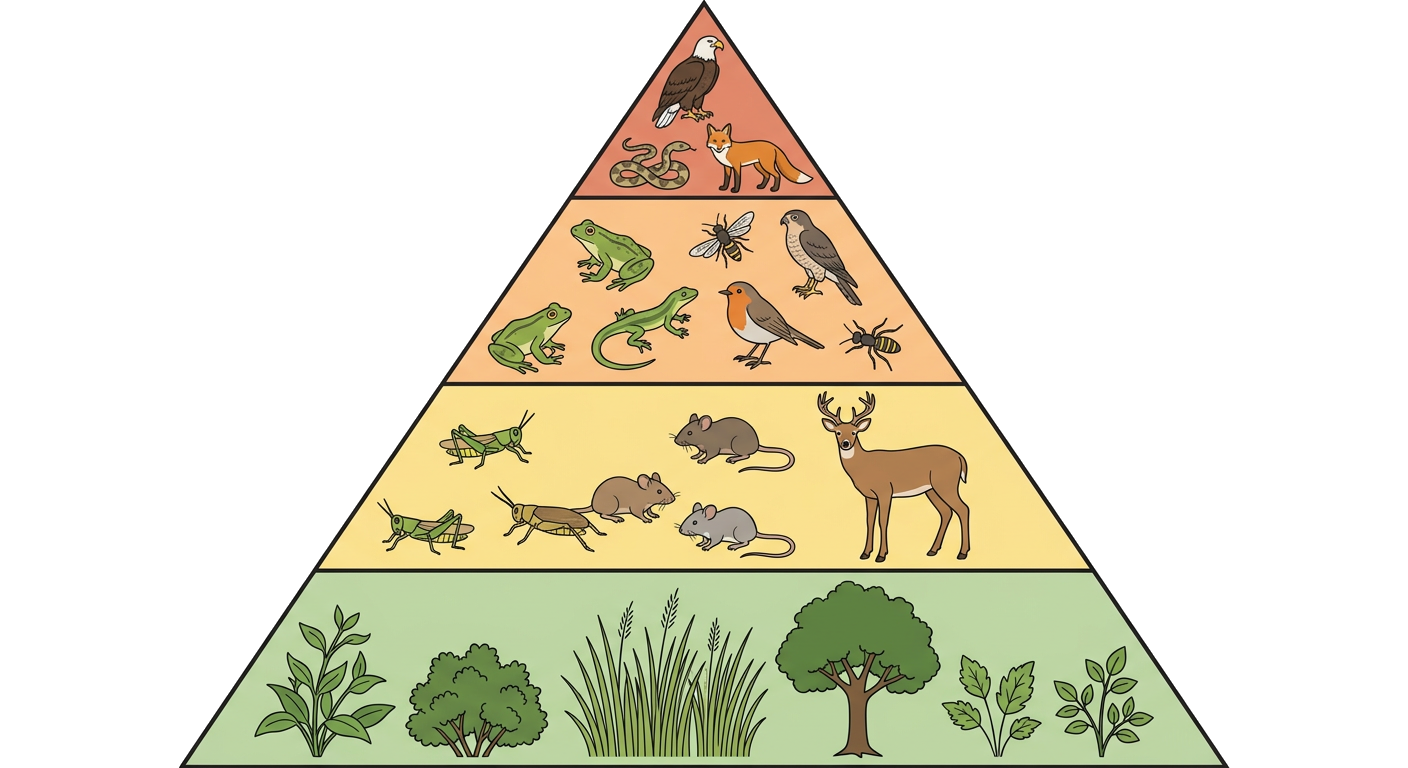
11. Biofuels are considered non-renewable energy resources because they require land and water for cultivation.
True
False
12. The efficiency of solar panels decreases significantly on cloudy days.
True
False
13. Compare and contrast the advantages and disadvantages of using nuclear energy versus solar energy as primary sources for large-scale electricity generation. Consider economic, environmental, and safety factors.