Congressional Committees Worksheet
Explore the structure, functions, and types of congressional committees in the U.S. government.
Includes
Standards
Topics
Congressional Committees Worksheet
Name:
Date:
Score:
Read each question carefully and provide thoughtful, accurate responses based on your knowledge of congressional committees.
1. Which type of committee is a permanent legislative panel that considers bills and issues and recommends measures for consideration by its parent chamber?
Select committee
Joint committee
Standing committee
Conference committee
2. What is the primary purpose of a conference committee?
To investigate specific issues
To reconcile different versions of a bill passed by the House and Senate
To oversee the executive branch
To manage the daily operations of Congress
3. The committee is responsible for setting the terms and conditions for debate on a bill in the House of Representatives.
4. A committee is typically formed for a limited time and purpose, often to conduct an investigation.
5. All bills must pass through a standing committee before being considered by the full House or Senate.
True
False
6. Joint committees are composed of members from both the House of Representatives and the Senate.
True
False
7. Explain the concept of 'seniority' in the context of congressional committees and its impact on committee assignments and leadership.
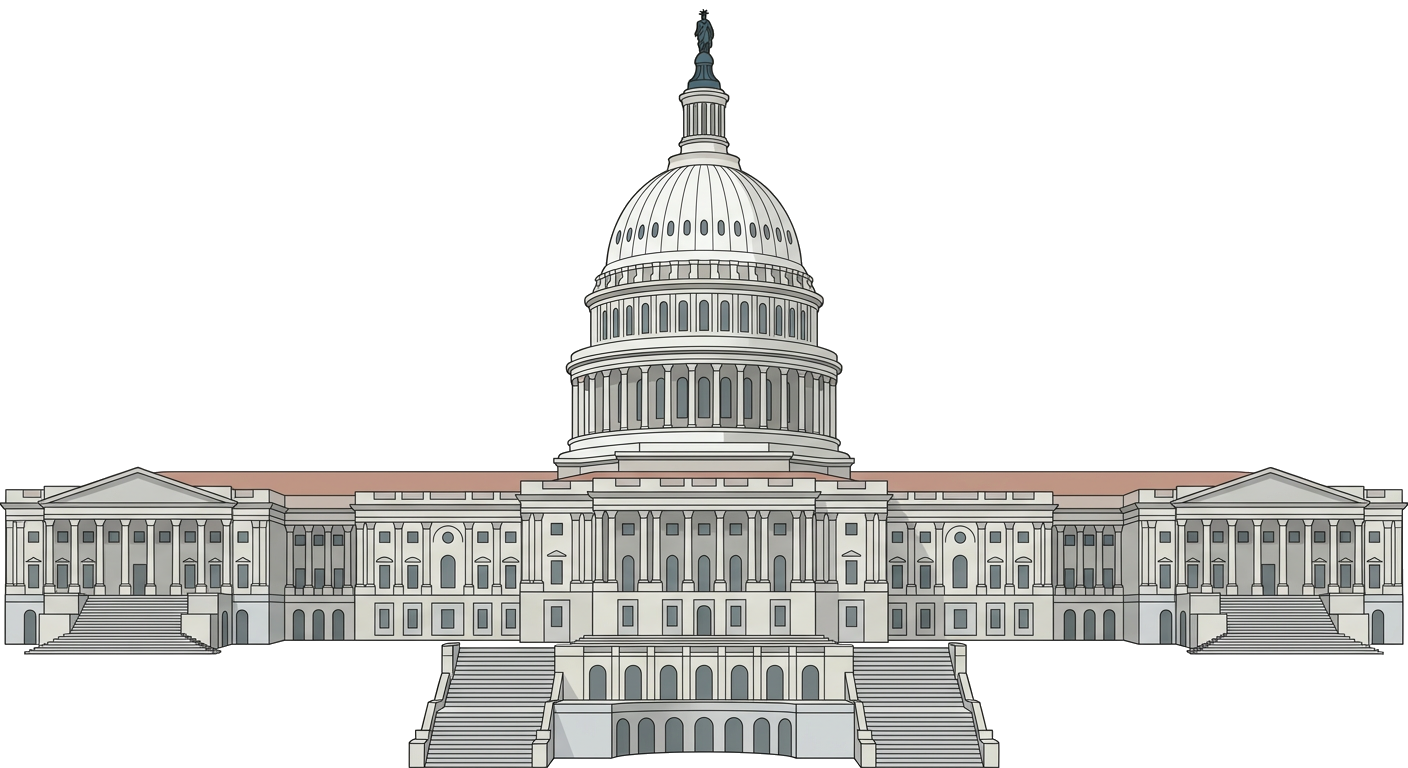
8. Observe the image of the U.S. Capitol Building below. In what ways does the physical location and layout of the Capitol reflect the importance of congressional committees in the legislative process?
Match each committee type with its primary function.
9. Standing Committee
a. Reconciles differences between House and Senate bills
10. Select Committee
b. Permanent, handles specific legislative areas
11. Joint Committee
c. Formed for a specific, often temporary, investigative purpose
12. Conference Committee
d. Members from both chambers, often for studies or oversight
Related Worksheets
Understanding Political Parties
A Grade 12 Social Studies worksheet exploring the role, functions, and types of political parties in a democratic system.
The Legislative Process: How a Bill Becomes a Law
This worksheet covers the steps and key aspects of the legislative process in the United States, from bill introduction to enactment, suitable for Grade 12 Social Studies.