Understanding Interest Groups in American Politics
A Grade 12 Social Studies worksheet covering the functions, types, and impact of interest groups on the American political system, including lobbying and campaign finance.
Includes
Standards
Topics
Understanding Interest Groups in American Politics
Name:
Date:
Score:
Read each question carefully and provide your best answer. This worksheet will assess your understanding of interest groups and their role in American politics.
1. What is the primary goal of an interest group?
To elect their members to public office.
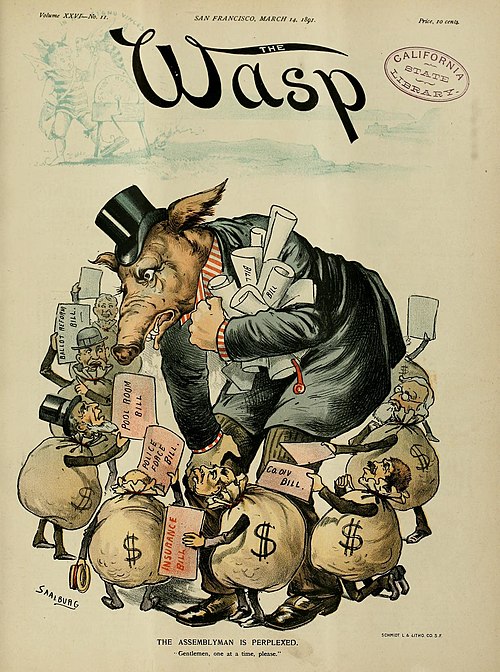
To influence public policy.
To provide social services to the community.
To educate the public on general political issues.
2. Which of the following is NOT a common tactic used by interest groups to influence policy?
Lobbying elected officials.
Directly implementing laws.
Engaging in grassroots activism.
Contributing to political campaigns.
3. The term refers to the act of attempting to influence decisions made by officials in the government, most often legislators or members of regulatory agencies.
4. A is a type of interest group that focuses on a wide range of issues that affect the general public, rather than a specific industry or segment of society.
5. Political Action Committees (PACs) are primarily used by interest groups to directly elect candidates to office.
True
False
6. Hyperpluralism is a theory that suggests that the political system is strengthened by the vast number of powerful interest groups.
True
False
7. Differentiate between a political party and an interest group, highlighting their primary goals and methods.
8. Explain the concept of the 'revolving door' in the context of lobbying and its potential implications for public policy.
Match each term with its correct definition.
9. Free-Rider Problem
a. An organization that seeks to influence government policy on behalf of a specific cause or group.
10. Grassroots Lobbying
b. The difficulty interest groups face in recruiting members when the benefits of their actions are available to everyone, including non-members.
11. Interest Group
c. A lobbying strategy that involves mobilizing large numbers of people to contact their legislators directly.
12. Analyze the political cartoon below. What is the cartoonist's message regarding the influence of interest groups on government? Support your answer with specific details from the image.