The Protestant Reformation: Power, Belief, and Change
Explore the causes, key figures, and lasting impacts of the Protestant Reformation on European society, politics, and religion.
Includes
Topics
The Protestant Reformation: Power, Belief, and Change
Name:
Date:
Score:
Read each question carefully and provide thoughtful, detailed answers based on your knowledge of the Protestant Reformation.
1. Which of the following was a primary cause of the Protestant Reformation?
The rise of feudalism across Europe.
Widespread dissatisfaction with the Catholic Church's practices, including the sale of indulgences.
The invention of the steam engine.
The discovery of the New World.
2. The Peace of Augsburg (1555) established the principle of "cuius regio, eius religio." What does this phrase mean?
The Pope has ultimate authority over all European monarchs.
Each ruler would determine the religion of their own state.
Religious freedom for all individuals within the Holy Roman Empire.
The separation of church and state.
3. Martin Luther's publication of the in 1517 is widely considered the catalyst for the Protestant Reformation.
4. The Council of was a key event in the Catholic Counter-Reformation, aiming to address abuses and reaffirm Catholic doctrine.
5. Briefly explain the concept of 'Sola Scriptura' and its significance to the Protestant Reformation.
6. Discuss two significant political consequences of the Protestant Reformation in Europe.
7. John Calvin was a prominent figure in the English Reformation.
True
False
8. The invention of the printing press played a crucial role in spreading Reformation ideas.
True
False
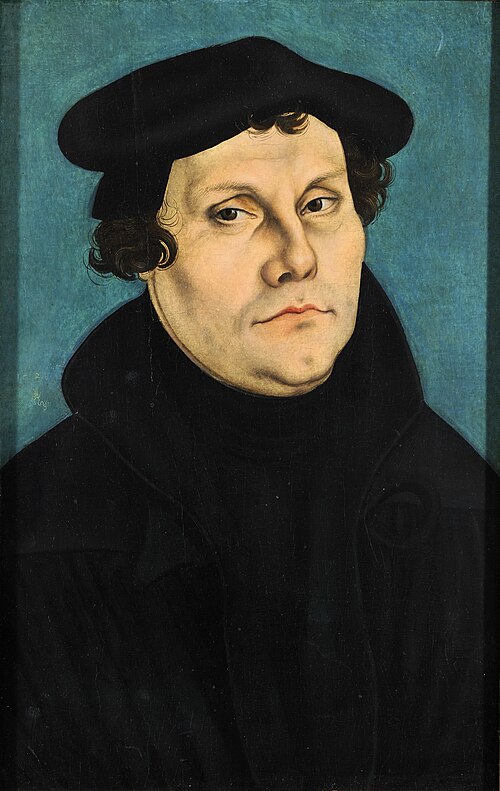
Image 1: Portrait of Martin Luther
9. Analyze the long-term social and cultural impacts of the Protestant Reformation on European society, considering aspects beyond just religious change.
Related Worksheets
The Emancipation Proclamation: A Turning Point
This worksheet explores the historical context, content, and impact of the Emancipation Proclamation, a pivotal document in U.S. history.
The Roaring Twenties: A Deep Dive
This worksheet explores the social, economic, and political transformations of the Roaring Twenties in the United States, suitable for Grade 12 Social Studies.
The Progressive Era: Reforms and Impact
Explore the key reforms, figures, and lasting impact of the Progressive Era in U.S. History through a variety of question types.
Impeachment Process in the U.S. Government
Explore the impeachment process for high school students, covering its historical context, constitutional basis, and practical application in U.S. government.
Alphabet Agencies of the New Deal
Explore the key Alphabet Agencies created during Franklin D. Roosevelt's New Deal, their purposes, and their impact on American society and government.