Reframing Thoughts Worksheet
A Grade 12 social studies worksheet on identifying, challenging, and reframing negative thought patterns for improved mental well-being.
Includes
Standards
Topics
Reframing Thoughts: Cultivating a Positive Mindset
Name:
Date:
Score:
This worksheet will help you explore the concept of reframing thoughts. Read each question carefully and provide thoughtful responses. The goal is to understand how your thoughts influence your emotions and actions, and to practice techniques for shifting negative thought patterns into more constructive ones.
1. Define 'cognitive distortion' in your own words. Provide an example of a common cognitive distortion and explain how it can negatively impact an individual's well-being.
2. Which of the following best describes the cognitive distortion known as 'catastrophizing'?
Assuming the worst possible outcome will occur.
Focusing solely on negative aspects while ignoring positives.
Believing you know what others are thinking.
Attributing external events to personal failings.
3. The first step in reframing thoughts involves the negative thought. This is followed by the thought's validity and challenging its assumptions. Finally, one can then the thought into a more balanced or positive perspective.
4. Reframing thoughts means ignoring negative emotions or pretending problems don't exist.
True
False
5. Consider a situation where you received a lower grade than expected on a major assignment. Describe a negative thought you might have had and then demonstrate how you would reframe that thought into a more constructive one.
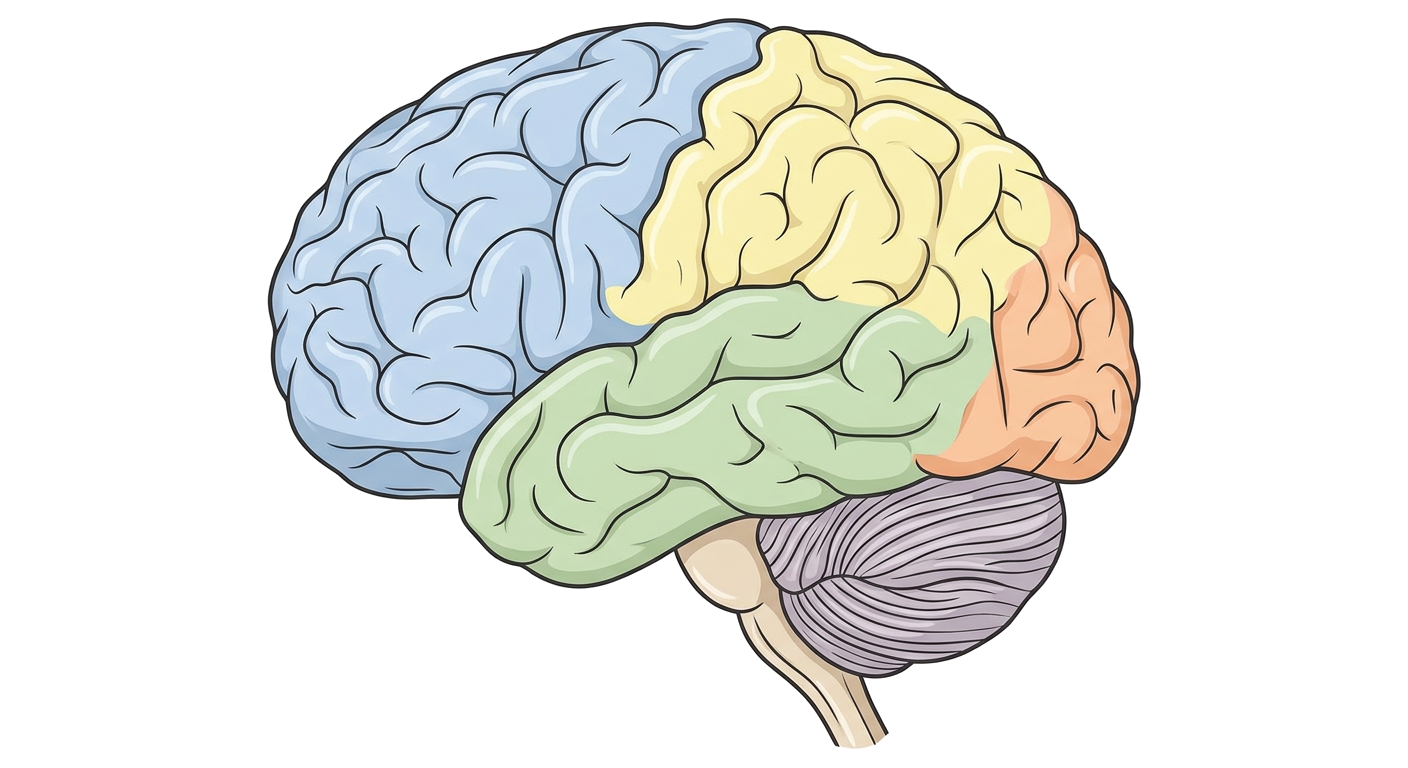
6. Briefly explain how understanding the brain's plasticity and its ability to form new neural pathways supports the practice of reframing thoughts.
Match each cognitive distortion on the left with its description on the right.
1. All-or-Nothing Thinking
a. Drawing a global conclusion based on a single incident.
2. Overgeneralization
b. Viewing situations in extreme, black-and-white terms.
3. Mental Filter
c. Dwelling on the negative and ignoring positive aspects.
Related Worksheets
Exploring Self-Awareness
A worksheet for 12th-grade social studies students to explore various aspects of self-awareness, including emotional intelligence, values, beliefs, and personal growth.
Self-Advocacy in the 21st Century
This worksheet explores the principles and practices of self-advocacy, its importance in various contexts, and strategies for effective self-advocacy for Grade 12 students.
Understanding Grief and Loss
This worksheet explores the complex nature of grief and loss, examining different models of grief and coping mechanisms.
Grade 12 Career Planning Worksheet
A worksheet for 12th-grade students focusing on self-assessment, career exploration, and future planning.
Understanding Relationship Boundaries
This worksheet helps grade 12 students explore and understand the importance of establishing and maintaining healthy relationship boundaries.
Online Safety and Digital Citizenship
This worksheet explores key concepts of online safety and digital citizenship for Grade 12 students, covering topics like privacy, cyberbullying, and responsible online behavior.
Exploring Self-Concept
A Grade 12 Social Studies worksheet exploring the multifaceted nature of self-concept, its influences, and development.
Career Clusters Exploration
This worksheet helps 12th-grade students explore career clusters, identify their interests, and understand the pathways available for future careers.