Thought Stopping Techniques
A Grade 12 Social Studies worksheet exploring thought stopping techniques, their application, and ethical considerations.
Includes
Standards
Topics
Thought Stopping Techniques
Name:
Date:
Score:
Read each question carefully and provide thoughtful answers based on your understanding of thought stopping techniques and their applications in social contexts.
Thought stopping is a cognitive behavioral technique used to interrupt and redirect unwanted or intrusive thoughts. It can be a powerful tool for managing anxiety, stress, and negative self-talk. This worksheet explores the principles and applications of thought stopping.
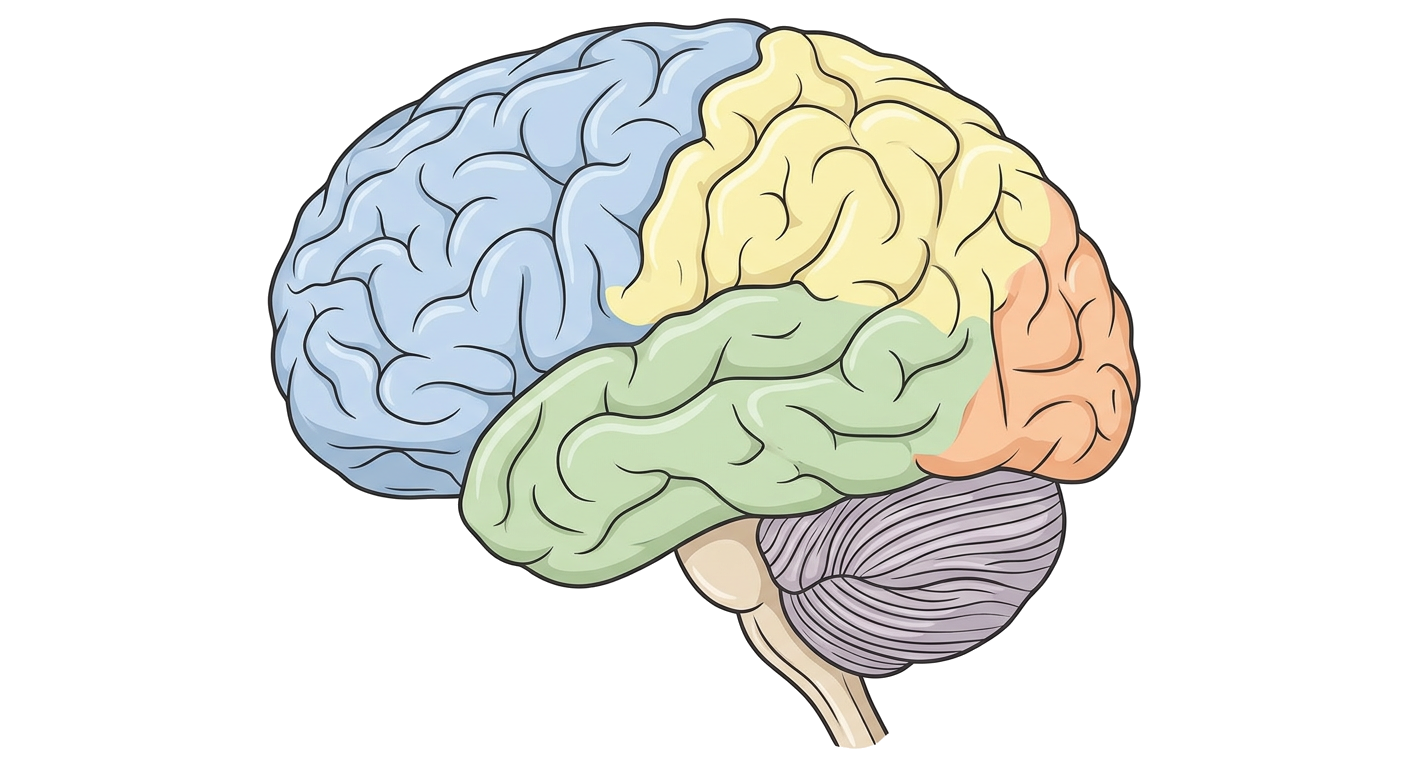
1. Which of the following is the primary goal of thought stopping?
To suppress all negative emotions.
To completely eliminate all thoughts from the mind.
To interrupt and redirect unwanted thought patterns.
To replace all thoughts with positive affirmations.
2. A common initial technique in thought stopping involves:
Deep breathing exercises.
Mentally shouting 'Stop!' when an unwanted thought arises.
Engaging in strenuous physical activity.
Discussing the thought with a friend.
3. Thought stopping is often used in conjunction with therapy to address unhelpful thinking patterns.
4. After interrupting an unwanted thought, it is important to your attention to a more constructive thought or activity.
5. One potential challenge of thought stopping is the risk of thought , where trying to suppress a thought can make it more persistent.
6. Thought stopping is a technique that can only be used by individuals with severe mental health conditions.
True
False
7. Consistent practice is crucial for the effectiveness of thought stopping techniques.
True
False
8. Describe a scenario in which an individual might benefit from using thought stopping. Provide specific details about the unwanted thought and how thought stopping could be applied.
9. What are some ethical considerations that should be taken into account when teaching or applying thought stopping techniques?
Use the words below to complete the sentences.