1763 Territorial Boundaries
Explore the territorial changes and political implications of the 1763 Treaty of Paris and the Royal Proclamation, shaping North American history.
Includes
Standards
Topics
1763 Territorial Boundaries
Name:
Date:
Score:
Read each question carefully and provide thoughtful responses based on your knowledge of the 1763 territorial changes in North America.
Refer to the map of North America in 1763 to answer the following questions.
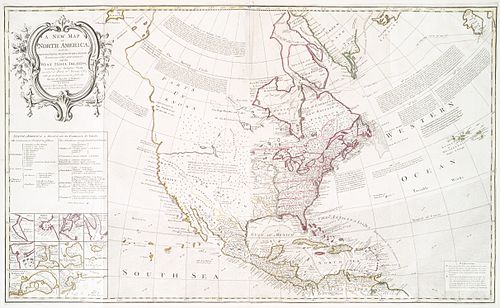
1. Which European power gained the most territory in North America as a result of the Treaty of Paris in 1763?
France
Spain
Great Britain
Portugal
2. The Royal Proclamation of 1763 primarily aimed to:
Encourage colonial expansion westward
Prevent conflicts with Native American tribes
Establish new trade routes with France
Grant self-governance to the colonies
3. The Treaty of Paris in 1763 officially ended the War.
4. Following the treaty, France ceded all of its territory east of the Mississippi River to .
5. Explain two significant long-term consequences of the Royal Proclamation of 1763 on Anglo-American relations.
6. How did the territorial changes of 1763 contribute to the growing tensions between the American colonies and Great Britain?
7. Spain gained control of Florida as a result of the 1763 Treaty of Paris.
True
False
8. The Proclamation Line of 1763 aimed to protect Native American lands west of the Appalachian Mountains.
True
False
Match each term with its correct description.
9. Treaty of Paris
a. British policy forbidding colonial settlement west of the Appalachians
10. Royal Proclamation
b. Ended the French and Indian War
11. French and Indian War
c. Conflict that resulted in significant territorial changes in North America