Captains of Industry: Visionaries or Robber Barons?
This worksheet explores the lives and impacts of prominent 'Captains of Industry' during the Gilded Age, examining their business practices, philanthropic efforts, and the controversies surrounding their legacies.
Includes
Topics
Captains of Industry: Visionaries or Robber Barons?
Name:
Date:
Score:
Read each question carefully and answer to the best of your knowledge. Use complete sentences for short answer questions.
1. Which industrialist is most closely associated with the steel industry and the concept of vertical integration?
John D. Rockefeller
Andrew Carnegie
Cornelius Vanderbilt
J.P. Morgan
2. The term 'Robber Baron' was often used to describe industrialists who:
Donated large sums to charity
Used ruthless business tactics to gain wealth
Focused solely on improving worker conditions
Invented new technologies
3. John D. Rockefeller made his immense fortune primarily in the industry.
4. Cornelius Vanderbilt dominated the and industries.
5. Explain the concept of 'Social Darwinism' as it was applied to the business practices of the Gilded Age industrialists.
6. J.P. Morgan was primarily known for his innovations in manufacturing, not finance.
True
False
7. Many 'Captains of Industry' were also significant philanthropists, donating vast sums of their wealth to public causes.
True
False
Match each industrialist with their primary industry.
8. Andrew Carnegie
a. Railroads and Shipping
9. John D. Rockefeller
b. Steel
10. J.P. Morgan
c. Oil
11. Cornelius Vanderbilt
d. Banking and Finance
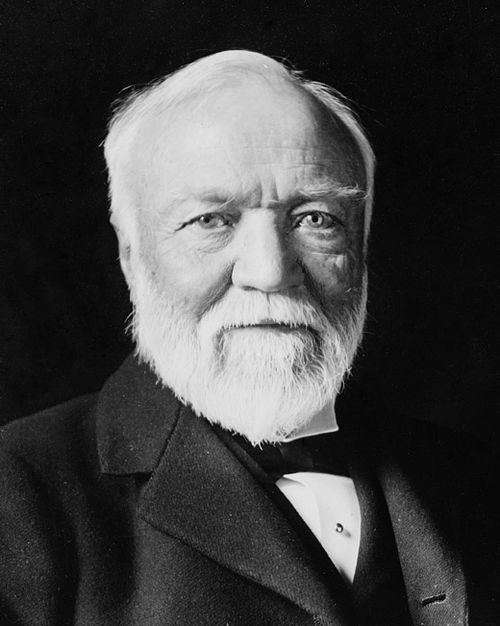
12. Examine the image of Andrew Carnegie below. What does his demeanor or surroundings suggest about his public image or perceived power during his era?
Related Worksheets
The Emancipation Proclamation: A Turning Point
This worksheet explores the historical context, content, and impact of the Emancipation Proclamation, a pivotal document in U.S. history.
The Roaring Twenties: A Deep Dive
This worksheet explores the social, economic, and political transformations of the Roaring Twenties in the United States, suitable for Grade 12 Social Studies.
The Progressive Era: Reforms and Impact
Explore the key reforms, figures, and lasting impact of the Progressive Era in U.S. History through a variety of question types.
Impeachment Process in the U.S. Government
Explore the impeachment process for high school students, covering its historical context, constitutional basis, and practical application in U.S. government.
Alphabet Agencies of the New Deal
Explore the key Alphabet Agencies created during Franklin D. Roosevelt's New Deal, their purposes, and their impact on American society and government.