Great Transformations in World History
This worksheet explores key historical transformations, including the Agricultural and Industrial Revolutions, and their profound impact on societies, economies, and global dynamics.
Includes
Standards
Topics
Great Transformations in World History
Name:
Date:
Score:
Read each question carefully and provide thoughtful responses based on your knowledge of world history and great transformations.
1. Which of the following is considered a primary cause of the First Agricultural Revolution?
The invention of the steam engine
Climate change leading to warmer, wetter climates
The spread of monotheistic religions
The discovery of new continents
2. A key characteristic of the Industrial Revolution was the shift from:
Agrarian economies to hunter-gatherer societies
Manual labor and craft production to machine-based manufacturing
Urban centers to rural villages
Feudalism to absolute monarchies
3. The Revolution led to the development of permanent settlements and a significant increase in population density.
4. The concept of interchangeable parts was a crucial innovation during the Revolution, contributing to mass production.
5. The enclosure movement in Britain was a direct consequence of the First Agricultural Revolution, leading to larger, more efficient farms.
True
False
6. Urbanization, the growth of cities, was a major social consequence of the Industrial Revolution.
True
False
7. Describe one significant positive and one significant negative impact of the Industrial Revolution on society.
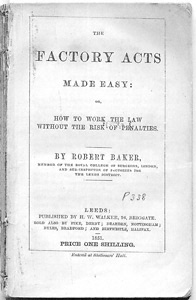
8. Analyze the image above. What does it suggest about the working conditions or societal changes during the Industrial Revolution?
Match each term with its correct description.
9. Cottage Industry
a. The process of developing industries in a country or region.
10. Urbanization
b. A system of production where goods are made in people's homes.
11. Industrialization
c. The process of making an area more urban.
Related Worksheets
Grade 12 Conflict Studies Worksheet
This worksheet covers key concepts in conflict studies, including causes, types, resolution strategies, and the role of international organizations.
The Romanov Dynasty: Rise and Fall
A Grade 12 social studies worksheet exploring the history, key figures, and eventual collapse of the Romanov Dynasty in Russia.
Understanding Genocide: Causes, Consequences, and Prevention
This worksheet explores the historical context, key characteristics, consequences, and efforts to prevent genocide, aligning with Grade 12 social studies curriculum.
The Rise and Spread of Islam
Explore the historical context, key figures, and geographical expansion of Islam from its origins in the 7th century to the establishment of major Islamic empires.
World War I Propaganda Analysis
This worksheet explores the use and impact of propaganda during World War I, examining various techniques and their effectiveness.
The League of Nations: An Examination
This worksheet explores the formation, structure, successes, and failures of the League of Nations, a crucial organization in 20th-century international relations.
The Enduring Legacy of Magna Carta
This Grade 12 social studies worksheet explores the historical context, key provisions, and lasting impact of the Magna Carta on constitutional law and human rights.
Critical Race Theory: An Introduction
This worksheet introduces Grade 12 students to the core tenets and historical context of Critical Race Theory (CRT), exploring its applications and critiques.