Home / Worksheets / Grade 12 / Social studies / Triangular Trade Analysis

Triangular Trade Analysis

A Grade 12 social studies worksheet exploring the economic, social, and political impacts of the Triangular Trade.

Grade 12 Social studies World HistoryTriangular Trade
Use This Worksheet

Includes

TextMultiple ChoiceFill in the BlanksShort AnswerTrue / FalseMatching

Standards

D2.His.4.9-12D2.His.12.9-12

Topics

Triangular TradeWorld HistorySlaveryColonialismEconomics
8 sections · Free to use · Printable
← More Social studies worksheets for Grade 12

Triangular Trade Analysis

Name:

Date:

Score:

Read each question carefully and provide thoughtful, well-supported answers based on your knowledge of the Triangular Trade. Use the provided map to help answer questions where applicable.

Observe the map below, which illustrates the primary routes of the Triangular Trade.
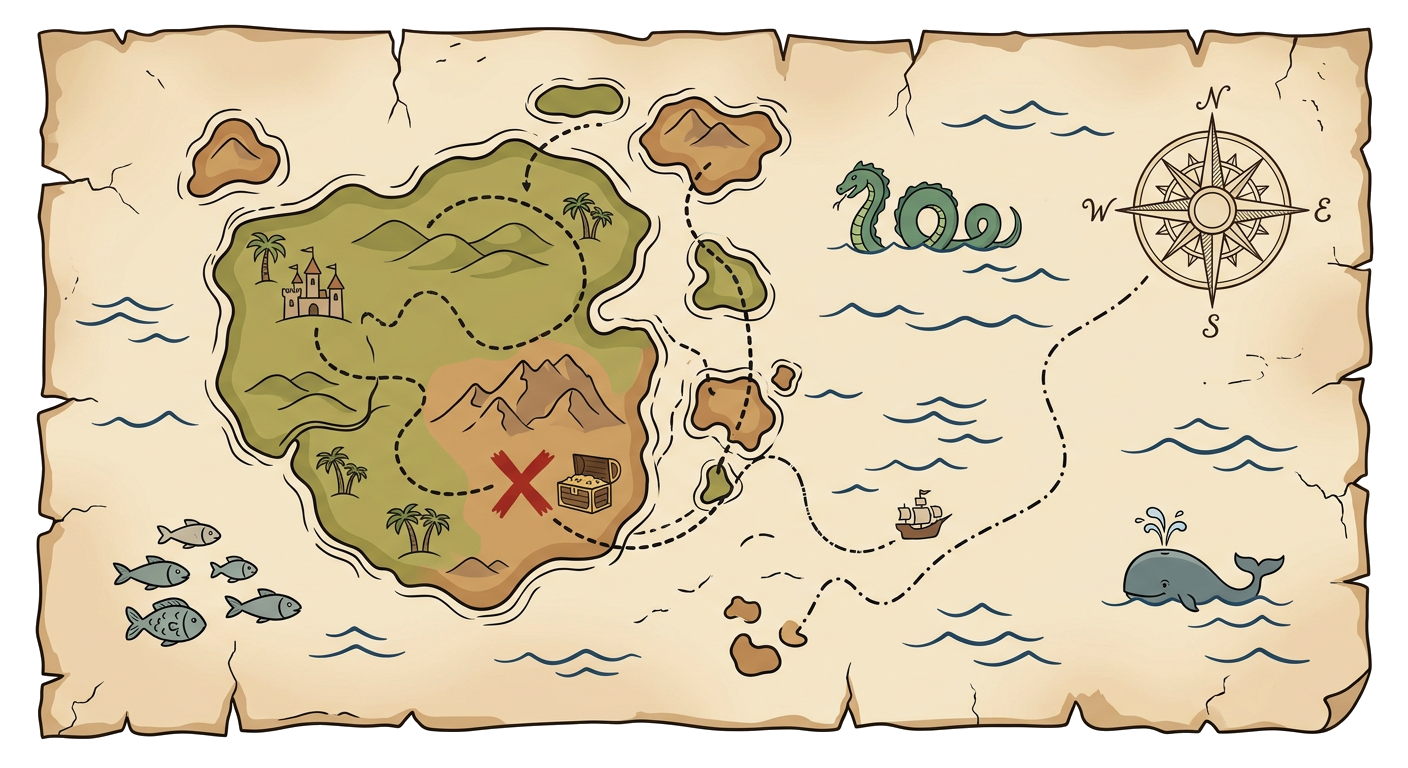
Treasure map style illustration, representing a historical trade route

1. Based on the map and your understanding, identify the three main regions involved in the Triangular Trade and briefly describe the primary goods exchanged in each leg of the journey.

2. Which of the following was the most significant 'commodity' transported from Africa to the Americas during the Middle Passage?

a

Cotton

b

Manufactured goods

c

Enslaved Africans

d

Tobacco

3. The economic system that fueled the Triangular Trade, emphasizing colonies providing raw materials and markets for the mother country, is known as:

a

Communism

b

Mercantilism

c

Capitalism

d

Socialism

4. The leg of the Triangular Trade route that transported enslaved Africans across the Atlantic Ocean was known as the  .

5. European powers primarily sought   from the Americas, such as sugar, tobacco, and cotton, to fuel their industries and economies.

6. Discuss two significant long-term social impacts of the Triangular Trade on either African societies or the societies of the Americas.

7. Explain how the Triangular Trade contributed to the development of early global capitalism.

8. The Triangular Trade primarily benefited all three regions involved equally.

T

True

F

False

9. European manufactured goods were a key component of the trade from Europe to Africa.

T

True

F

False

Match each term on the left with its correct description or associated concept on the right.

10. Middle Passage


a. Economic theory emphasizing national wealth through exports

11. Mercantilism


b. The forced journey of enslaved Africans across the Atlantic

12. Cash Crops


c. Goods grown for profit rather than subsistence

Related Worksheets

Grade 12 Conflict Studies Worksheet

This worksheet covers key concepts in conflict studies, including causes, types, resolution strategies, and the role of international organizations.

The Romanov Dynasty: Rise and Fall

A Grade 12 social studies worksheet exploring the history, key figures, and eventual collapse of the Romanov Dynasty in Russia.

Understanding Genocide: Causes, Consequences, and Prevention

This worksheet explores the historical context, key characteristics, consequences, and efforts to prevent genocide, aligning with Grade 12 social studies curriculum.

The Rise and Spread of Islam

Explore the historical context, key figures, and geographical expansion of Islam from its origins in the 7th century to the establishment of major Islamic empires.

World War I Propaganda Analysis

This worksheet explores the use and impact of propaganda during World War I, examining various techniques and their effectiveness.

The League of Nations: An Examination

This worksheet explores the formation, structure, successes, and failures of the League of Nations, a crucial organization in 20th-century international relations.

The Enduring Legacy of Magna Carta

This Grade 12 social studies worksheet explores the historical context, key provisions, and lasting impact of the Magna Carta on constitutional law and human rights.

Critical Race Theory: An Introduction

This worksheet introduces Grade 12 students to the core tenets and historical context of Critical Race Theory (CRT), exploring its applications and critiques.