Predicting Weather and Events
A Grade 2 science worksheet focusing on predicting future weather and events based on observations and patterns.
Includes
Standards
Topics
Predicting Weather and Events
Name:
Date:
Score:
Read each question carefully and answer to the best of your ability. Think about what you observe and what might happen next!
1. Predicting means guessing what happened in the past.
True
False
2. If you see dark clouds, you can predict it might rain.
True
False
3. When the sun is shining brightly, we can predict it will be a day.
4. If a calendar shows the month of December, we can predict that is coming soon.
5. Look at the image below. What do you predict the weather will be like soon? Explain why.
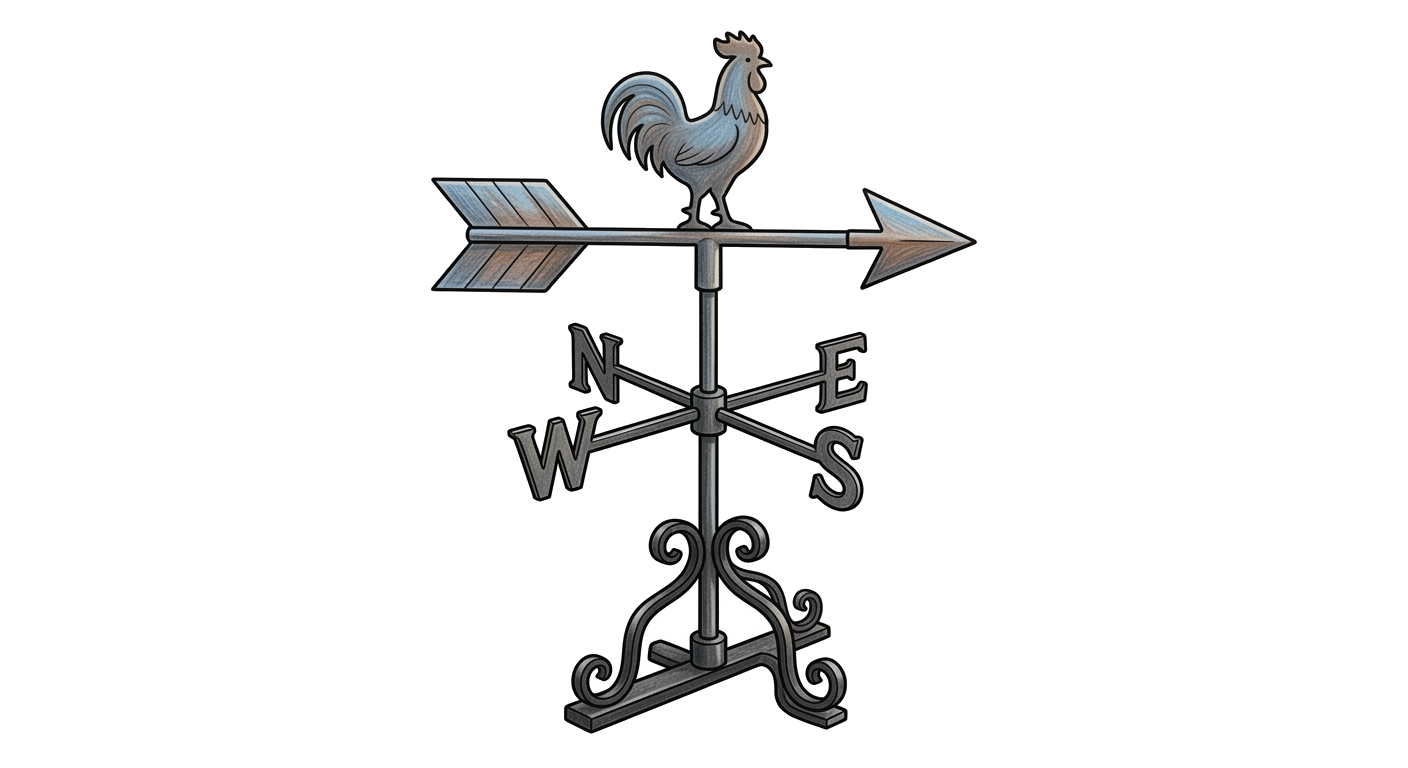
6. If a child is wearing a heavy coat and a scarf, what can you predict about the weather?
It is hot outside.
It is cold outside.
It is sunny outside.
It is raining outside.
Related Worksheets
Rocks and Minerals Exploration
A Grade 2 science worksheet to introduce students to different types of rocks and minerals and their properties.
Earth in Space
A Grade 2 science worksheet exploring basic concepts about Earth, the Sun, Moon, and stars.
Deposition: Earth's Building Blocks
A Grade 2 science worksheet exploring the concept of deposition, where earth materials are laid down to form new landforms.