Show, Don't Tell!
A Grade 3 ELA worksheet focused on developing descriptive writing skills by showing emotions and actions rather than simply stating them.
Includes
Standards
Topics
Show, Don't Tell!
Name:
Date:
Score:
In writing, 'Show, Don't Tell' means using descriptive words and actions to help your reader imagine what is happening, instead of just telling them. For example, instead of saying 'The boy was sad,' you could say 'Tears rolled down the boy's cheeks, and his shoulders slumped.'
Read each sentence. Then, rewrite it to 'show' what is happening instead of just 'telling' it.
1. The girl was happy.
2. The boy was scared.
3. The dog was angry.
Fill in the blank with words that 'show' the emotion.
1. When she heard the good news, her stretched into a wide smile.
2. He under his bed, his heart pounding, as thunder boomed outside.
3. The cat's puffed up, and it hissed at the approaching dog.
Which sentence best 'shows' that the character is tired?
She was tired.
Her eyelids drooped, and she yawned widely.
She felt sleepy.
Being tired is no fun.
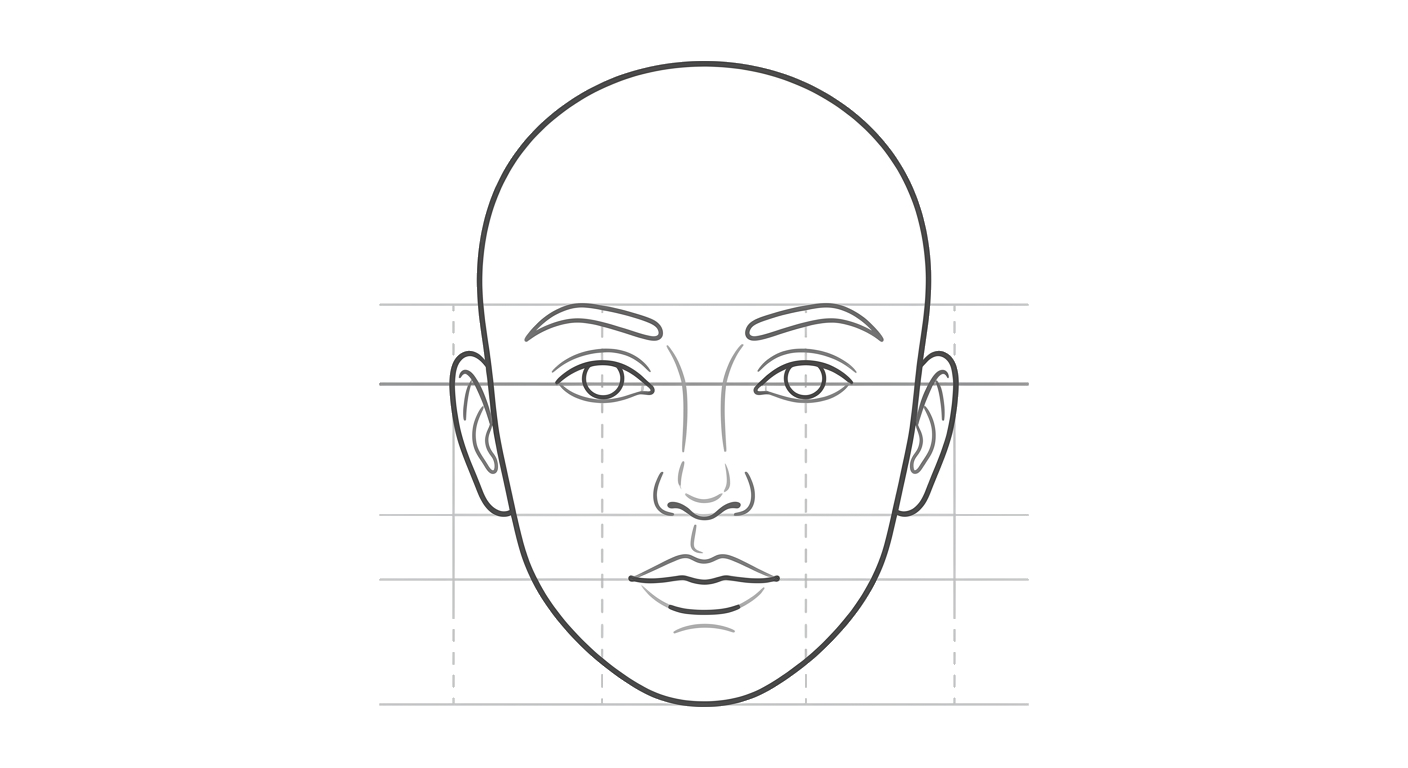
Look at the picture. Write a sentence that 'shows' how the person is feeling, instead of just telling.
Related Worksheets
Narrative Planning Worksheet
A Grade 3 ELA worksheet to help students plan their narrative stories, focusing on characters, setting, plot, and resolution.
Mind Mapping Fun!
This worksheet introduces third-grade students to the concept of mind mapping as a pre-writing strategy, helping them organize thoughts and ideas for writing.
Combining Sentences Worksheet
A Grade 3 ELA worksheet focused on combining sentences using conjunctions and other connecting words to create more complex and interesting sentences.
Crafting Catchy Introductions
This worksheet helps 3rd graders learn to write strong and engaging introductions for their stories and essays.
Formatting Titles Worksheet
A Grade 3 ELA worksheet focused on teaching students how to correctly format titles of books, movies, and songs.
My Opinion Matters!
A Grade 3 worksheet focusing on identifying opinions, stating reasons, and writing short opinion pieces.
Editing Practice Worksheet
A Grade 3 ELA worksheet focused on practicing editing skills, including capitalization, punctuation, and spelling.
Creative Story Writing
A Grade 3 worksheet to spark imagination and develop creative writing skills through prompts and story elements.