Introduction to Cells
A worksheet for 3rd graders to learn about basic cell theory, identifying plant and animal cells, and their main parts.
Includes
Standards
Topics
Introduction to Cells
Name:
Date:
Score:
Read each question carefully and answer to the best of your ability. Look at the pictures to help you understand.
All living things are made of tiny building blocks called cells. Cells are so small you need a microscope to see them! There are many different types of cells, but they all help living things grow and stay healthy.
1. What are all living things made of?
Rocks
Water
Cells
Air
2. Cells are so small you need a to see them.
There are two main types of cells: plant cells and animal cells. They have some parts that are the same and some parts that are different.
3. Look at the pictures below. Write if it is a Plant Cell or an Animal Cell.
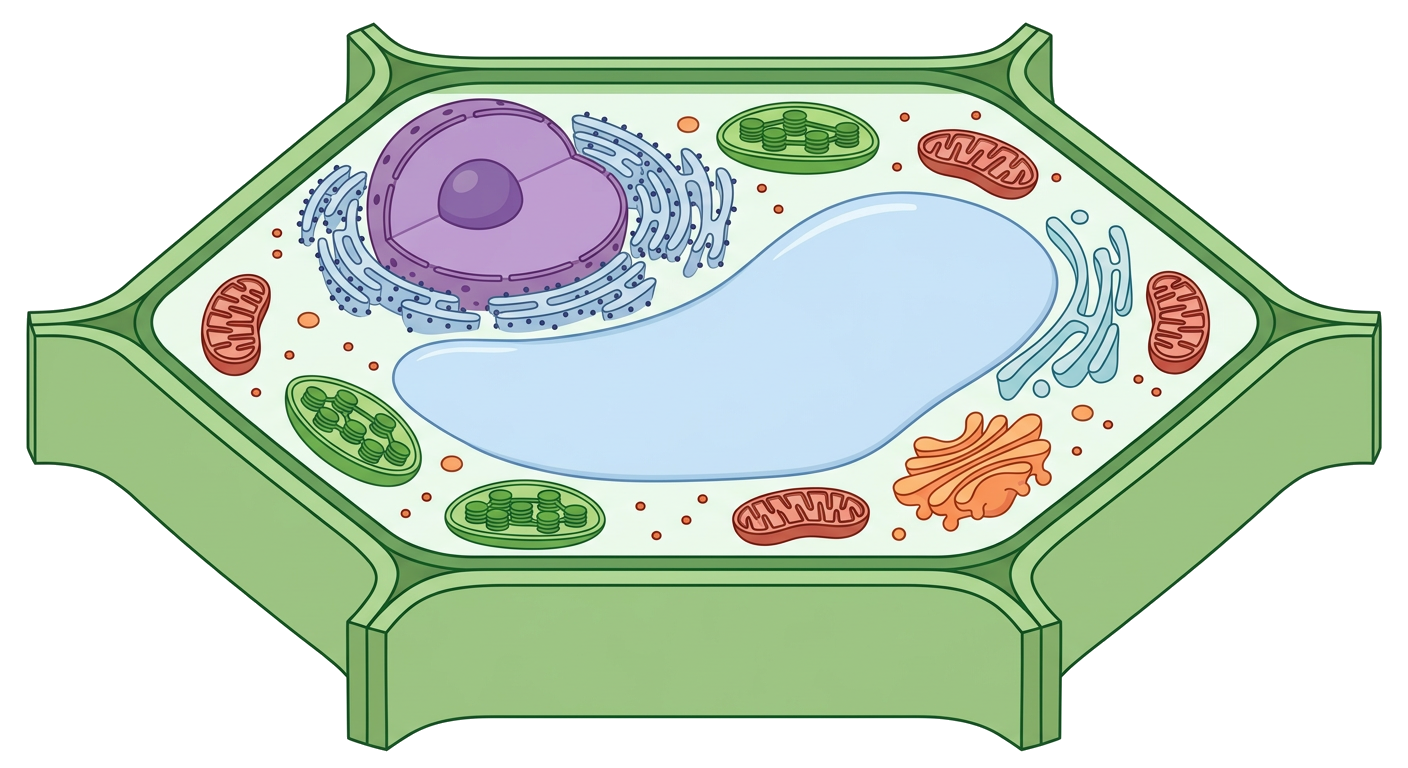
This is a cell.
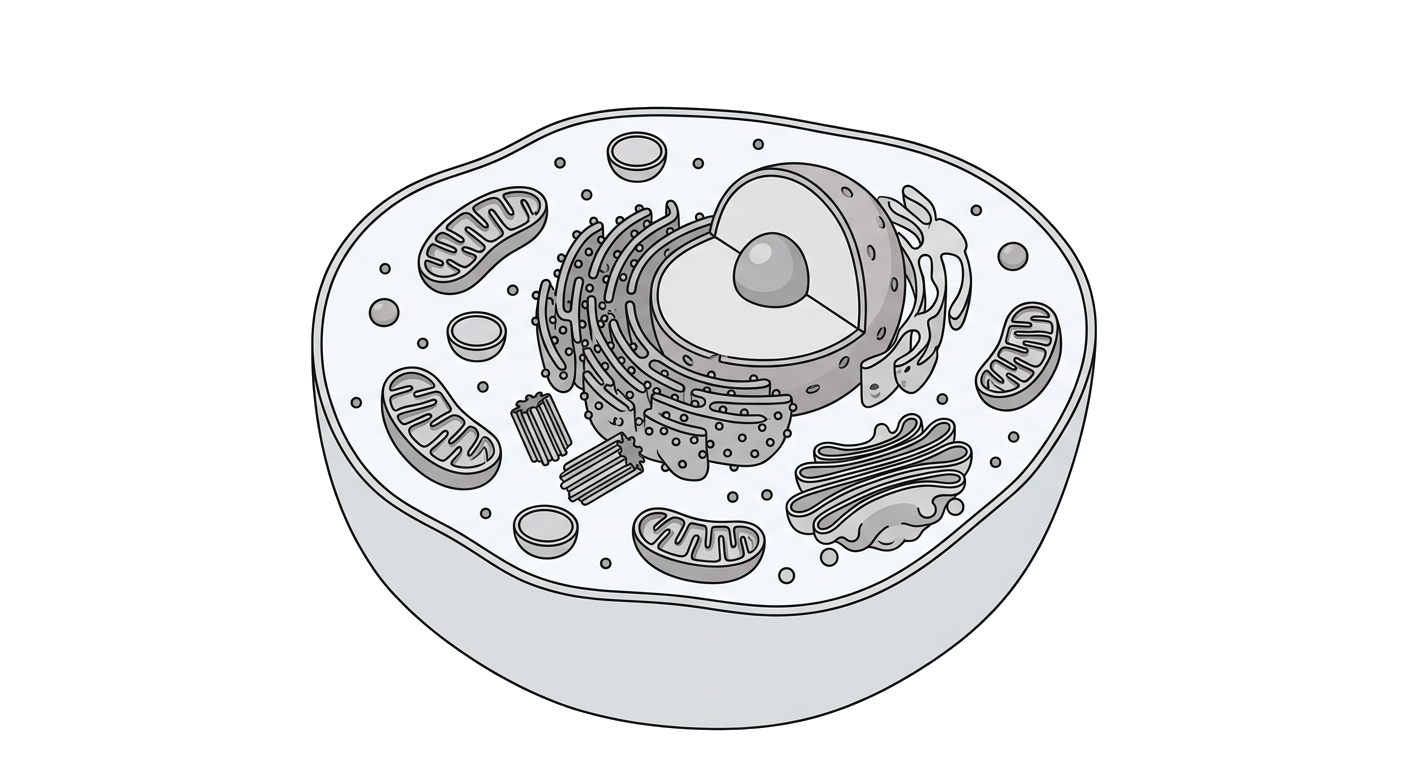
This is an cell.
4. All cells are exactly the same size and shape.
True
False
5. Name one thing that cells help living things do.
Related Worksheets
Animal Adaptations Worksheet
Explore how animals adapt to their environments with this Grade 3 science worksheet.
Prokaryotes and Eukaryotes Worksheet
Explore the basic differences between prokaryotic and eukaryotic cells with this engaging science worksheet for 3rd graders.
Monocots and Dicots Worksheet
Explore the fascinating world of plants with this worksheet on monocots and dicots, designed for third graders. Learn about their differences in leaves, flowers, and roots.
Exploring Nekton
A worksheet for Grade 3 students to learn about nekton, including characteristics and examples of nektonic animals.
Plant Cell Labeling Worksheet
A Grade 3 science worksheet focusing on identifying and labeling the main structures of a plant cell.
Plant Parts and Their Functions
A Grade 3 science worksheet focusing on identifying and understanding the functions of different plant parts.
Unlocking Words: Prefixes and Suffixes
Explore the fascinating world of prefixes and suffixes to understand how they change word meanings, designed for Grade 3 science.
Asexual Reproduction Basics
Explore the basics of asexual reproduction in grade 3 science, learning about how some plants and animals make copies of themselves.