Vertebrates and Invertebrates
Explore the fascinating world of animals by classifying them into vertebrates (with backbones) and invertebrates (without backbones) in this Grade 3 science worksheet.
Includes
Standards
Topics
Vertebrates and Invertebrates
Name:
Date:
Score:
Read each question carefully and answer to the best of your ability. This worksheet will help you understand the difference between vertebrates and invertebrates.
Animals are amazing! Scientists classify them into different groups. One way to group animals is by whether they have a backbone or not. Animals with backbones are called **vertebrates**. Animals without backbones are called **invertebrates**.
1. What is a backbone?
A hard outer shell
A soft body part
A column of bones down the back
A type of plant
2. Which of these animals is a vertebrate?
Worm
Spider
Fish
Jellyfish
3. All insects are invertebrates.
True
False
4. Birds are invertebrates because they can fly.
True
False
5. Animals with a backbone are called .
6. Animals without a backbone are called .
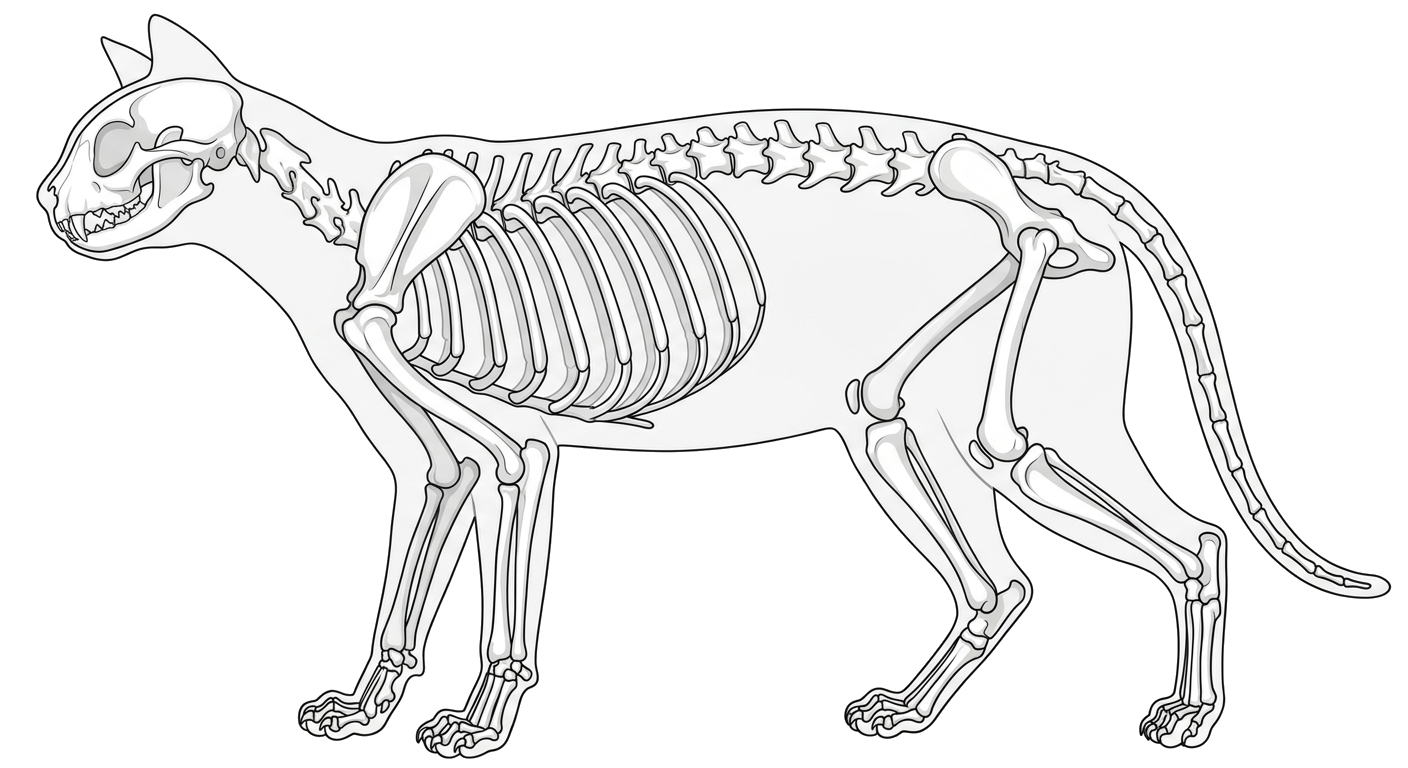
7. Look at the image below. Is this animal a vertebrate or an invertebrate? How do you know?
8. Give two examples of an invertebrate animal.
Use the words below to complete the sentences.
9. Many , like humans, have an internal .
10. A worm is an example of an animal without a , so it is an .
Related Worksheets
Animal Adaptations Worksheet
Explore how animals adapt to their environments with this Grade 3 science worksheet.
Prokaryotes and Eukaryotes Worksheet
Explore the basic differences between prokaryotic and eukaryotic cells with this engaging science worksheet for 3rd graders.
Monocots and Dicots Worksheet
Explore the fascinating world of plants with this worksheet on monocots and dicots, designed for third graders. Learn about their differences in leaves, flowers, and roots.
Exploring Nekton
A worksheet for Grade 3 students to learn about nekton, including characteristics and examples of nektonic animals.
Plant Cell Labeling Worksheet
A Grade 3 science worksheet focusing on identifying and labeling the main structures of a plant cell.
Plant Parts and Their Functions
A Grade 3 science worksheet focusing on identifying and understanding the functions of different plant parts.
Unlocking Words: Prefixes and Suffixes
Explore the fascinating world of prefixes and suffixes to understand how they change word meanings, designed for Grade 3 science.
Asexual Reproduction Basics
Explore the basics of asexual reproduction in grade 3 science, learning about how some plants and animals make copies of themselves.