Understanding Dyslexia
This worksheet introduces Grade 4 students to dyslexia, focusing on understanding its characteristics and supportive strategies for reading.
Includes
Standards
Topics
Understanding Dyslexia
Name:
Date:
Score:
Read the information carefully and answer the questions. This worksheet will help you learn about dyslexia and how to support friends who might have it.
What is Dyslexia?
Dyslexia is a common learning difference that makes it harder for some people to read, write, and spell. It's not about how smart someone is! People with dyslexia are just as smart as everyone else, but their brains work a little differently when it comes to processing letters and sounds. Imagine trying to read a book where some of the letters seem to jump around or get mixed up. That's sometimes how it feels for someone with dyslexia.
Signs of Dyslexia:
Some signs of dyslexia include difficulty recognizing words, slow reading, trouble spelling, and mixing up letters like 'b' and 'd'. It can also be hard to put sounds together to make a word.
How Can We Help?
There are many ways to help people with dyslexia. Teachers can use special methods like multisensory learning, where they use touch, sight, and hearing to teach reading. Friends can be patient and understanding. Using tools like audiobooks, larger fonts, and colored overlays can also make reading easier. Remember, everyone learns in their own way!
1. What is dyslexia?
A type of eyesight problem
A learning difference that makes reading harder
A sign that someone is not smart
A rare disease
2. People with dyslexia are just as as everyone else.
3. One sign of dyslexia is difficulty words.
4. Teachers can use learning to help students with dyslexia.
5. Dyslexia means someone is not smart.
True
False
6. Name two ways friends can help someone with dyslexia.
Our brains help us read! Look at the picture of the brain. Different parts of the brain work together when we read.
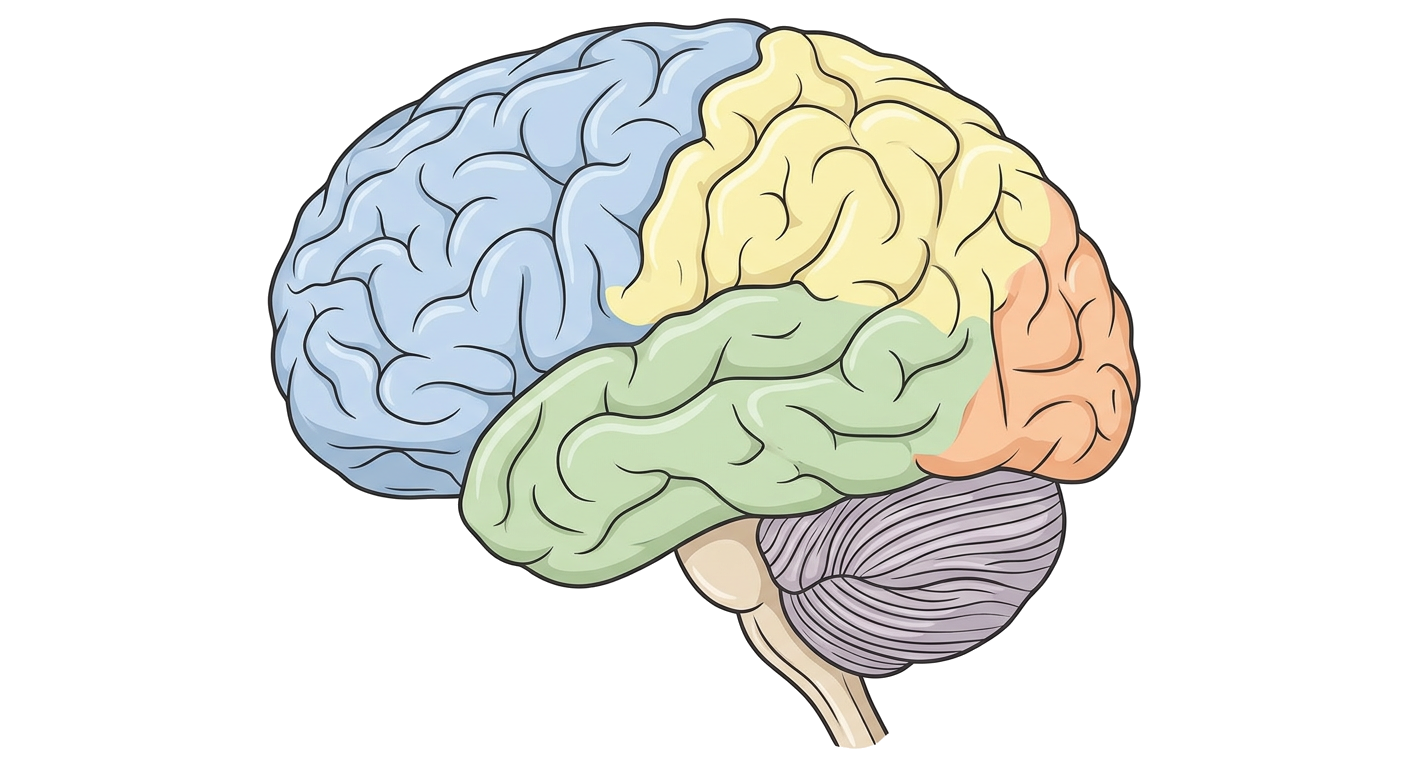
7. How do you think your brain is working when you try to read a new word?
Use the words below to complete the sentences.
8. Dyslexia can make it hard to tell the difference between some .
9. Using can help people with dyslexia enjoy stories.
10. Having is important when helping someone with dyslexia.